The Scottsdale Center for the Performing Arts celebrates 50 years
Oct. 13
The Scottsdale Center for the Performing Arts opened in 1975, and is celebrating 50 years with its 50th Anniversary Season currently underway for 2025-26.
The landmark celebration includes diverse performances like Alison Krauss & Union Station, Dungeons & Dragons: The Twenty-Sided Tavern, and Jacob Jonas The Company, alongside new exhibitions such as “A Pivotal Point in Time: Art in Scottsdale in the 1970s” to honor the Center’s legacy. The inaugural concert for the 50th anniversary season will feature Alison Krauss & Union Station on November 1, 2025, with a special cocktail reception.
Its iconic building was designed by architect Bennie Gonzales. Its picturesque surroundings in downtown Scottsdale are filled with public art. Performances across a multitude of disciplines take place in both the 853-seat Virginia G. Piper Theater and the 137-seat Stage 2 Theater inside the center, including music, dance, and comedy.
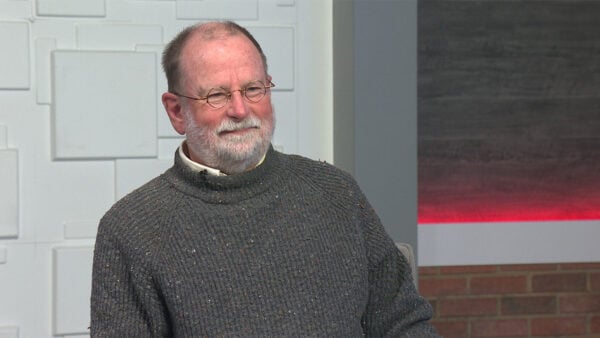
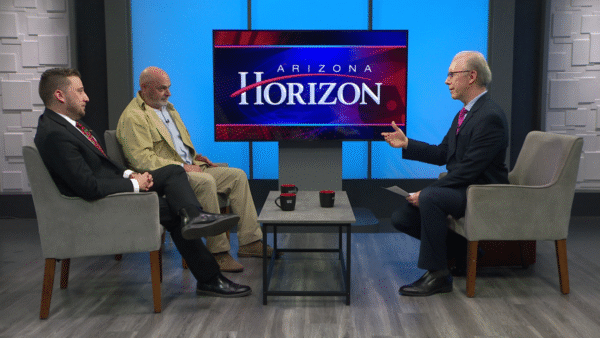
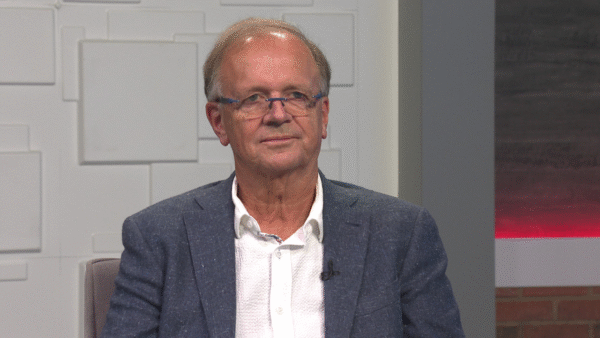
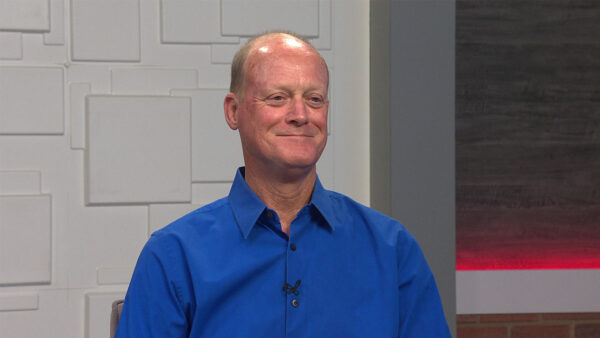
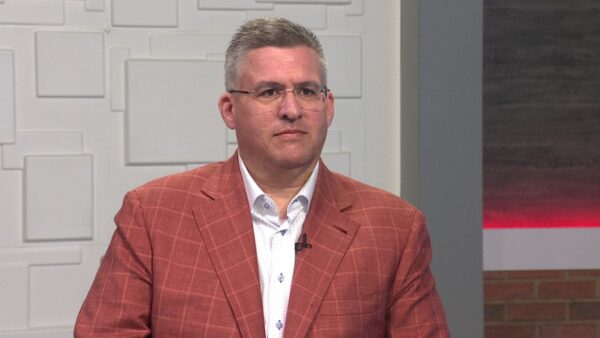
Dr. Gerd Wuestemann, President and CEO of Scottsdale Arts, joined “Arizona Horizon” to talk more about this momentous occasion for Scottsdale Arts.
Reflecting upon the first twenty years of Scottsdale Arts being open, Wuestemann noted several of the famed musicians displayed and highlighted in the center, such as Ella Fitzgerald, Sarah Vaughn, and Wynton Marsalis, to name a few. He noted it as a “beacon” to see “cutting-edge art” in Arizona and the Southwest.
Transitioning to how Scottsdale Arts has changed currently, Wuestemann said, “It became a full Arts Campus that we can fully engage people in, and the Arts Education for all generations, life-long learning, work across the entire city and community centers and senior centers.”
As Scottsdale Arts has navigated and adapted through the fifty years, the Center stood for diverse programming, with classical, music, and jazz always being the main focus. Recently, in the last few years, contemporary dance was added.
“The beauty of Scottsdale Arts is when all the parts come together, it makes more than the sum of its parts. We can serve every part of cultural life for the entire community,” said Wuestermann.
In this segment:
Also in this episode:
SPOTLIGHT




STAY in touch
with azpbs.org!
Subscribe to Arizona PBS Newsletters: