How parents and educators can navigate the new Arizona Healthy Schools Act
Oct. 2
If you are an educator or parent in the state of Arizona, chances are you’ve recently found yourself looking at ingredient lists more closely.
Arizona’s new Healthy Schools Act (A.R.S. § 15-242.01) states, “Beginning in the 2026-2027 school year, any school that participates in a federally funded or assisted meal program shall not serve, sell or allow a third party to sell ultraprocessed food on the school campus during the normal school day. This subsection does not prevent a student’s parent or guardian from providing ultraprocessed food to the student during the normal school day.”
To break it down, classroom incentives and shared snacks must not contain the following ingredients:
• Potassium bromate
• Propylparaben
• Titanium dioxide
• Brominated vegetable oil
• Yellow dye 5
• Yellow dye 6
• Blue dye 1
• Blue dye 2
• Green dye 3
• Red dye 3
• Red dye 40
A new piece of legislation, especially one that impacts our children and their school experience, can add stress and anxiety for both educators and parents. Here are four tips to help ensure you’re in compliance with the new Arizona Healthy Schools Act.
1. Learn the banned ingredients. Parents, keep note of the list above by taking it with you when you shop for groceries, or as an educator, consider posting the list in your classroom for easy access when parents have questions.
2. Educators, revise your classroom incentives. When in doubt, ask. I was the teacher with the lollipops and mints as motivators. I have now done my research and confirmed with my administration what types of sweets are in compliance. In addition, look into other non-food incentives such as stickers or fun erasers.
3. Maintain clear communication with parents. Some parents may assume this limits what they provide for their child to consume. This is not the case, but children cannot share items that violate the banned list of ingredients. Send parents a list of safe snacks ahead of in-classroom birthday parties and other celebrations.
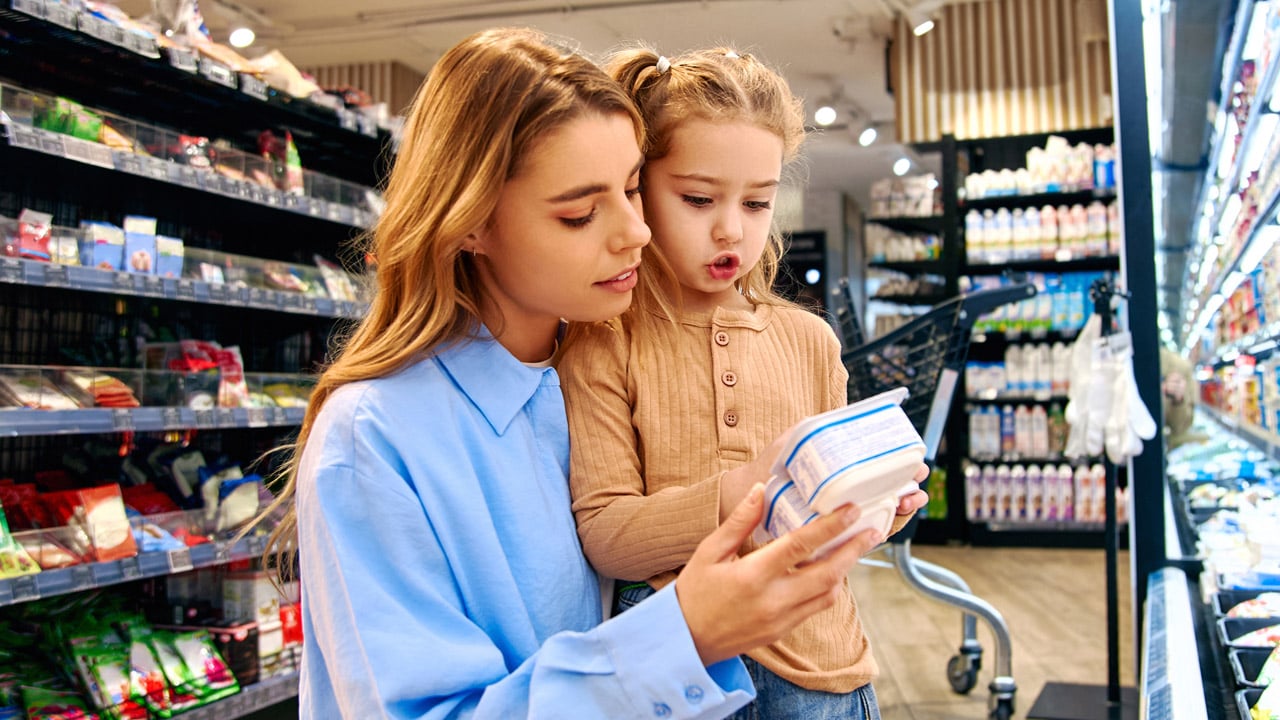
4. Read labels before passing out snacks. It’s an extra step that will get easier as we become more familiar with which snacks are acceptable. Educators can ask their administration to verify any ingredient labels that they’re unsure of, and AI may also be able to address questions quickly about which foods contain these ingredients.
This should not be construed as legal advice, but hopefully these ideas will help educators and parents navigate a change to our children’s everyday school experience.
What types of snacks will be your go-tos moving forward? Let’s see if we can compile a list as a community to share with each other at Arizona PBS KIDS on Facebook.
About the author

Marissa Will is the mother of two, Olivia (9) and Logan (8). Writing was her first passion: she’s a freelance writer and a Walter Cronkite School of Journalism and Mass Communication alumna. Will is currently educating the future leaders of tomorrow: She has spent over 10 years educating third graders, with a master’s degree in elementary education from Northern Arizona University-Yuma.