Home
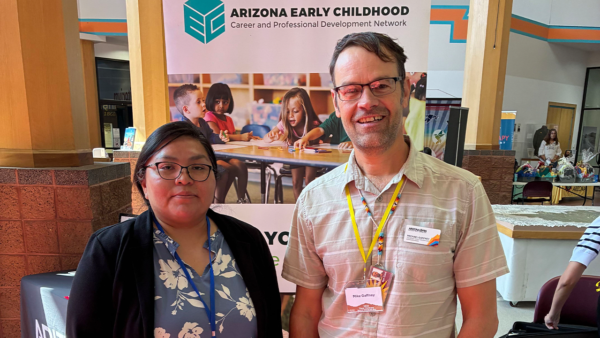
Scholar success story: Debbie Burbank’s early childhood education journey
Thursday, Sept. 17, 2026
Debbie Burbank is an educator and scholar who earned a bachelor’s degree through Arizona PBS’s early childhood educator scholarship program.
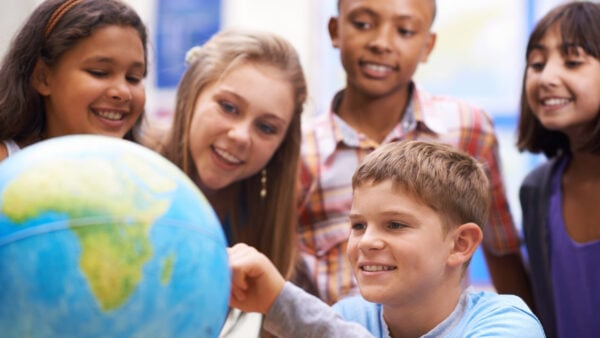
6 ways to honor Hispanic Heritage Month in early childhood education
Tuesday, Sept. 15, 2026
Here are six ways educators can honor Hispanic Heritage Month in early childhood education from activities to picture books.
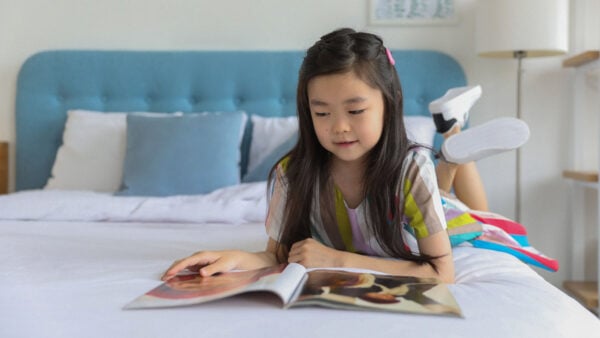
4 ways to make reading fun and engaging ahead of International Literacy Day
Tuesday, Sept. 1, 2026
September 8 is International Literacy Day, and there’s no better time to plan ways to celebrate literacy with our children and students.

Baby Proof: Can screens really calm kids?
Tuesday, Aug. 18, 2026
Using screen time for kids to calm or soothe may create behavioral challenges later. Here are six ways to help calm kids without screens.
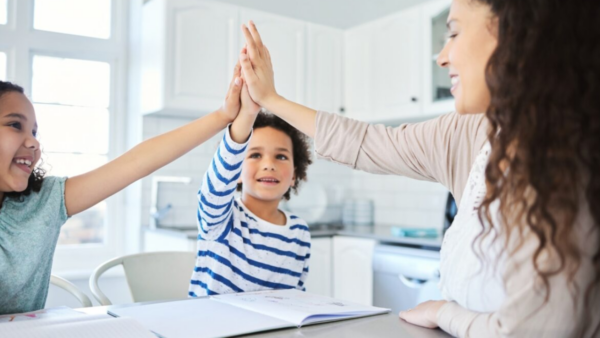
Building your child’s confidence, one step at a time
Thursday, Aug. 6, 2026
As parents, we want our kids to feel self-confident and believe in themselves. Here are four ideas for building your child’s confidence.

Talking about today: Helping young people understand current events
Tuesday, July 28, 2026
As parents and educators, here is how we can help young people understand current events and make sense of the world around them.
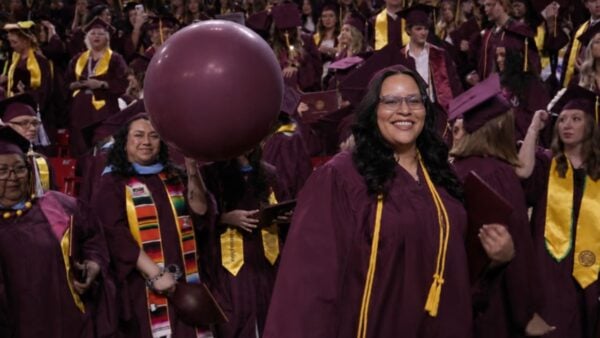
Scholar success story: Angela Paschal reaches a lifelong goal
Wednesday, July 22, 2026
Angela Paschal is an educator, scholar and single mother whose resilience inspires admiration from the First Things First committee.
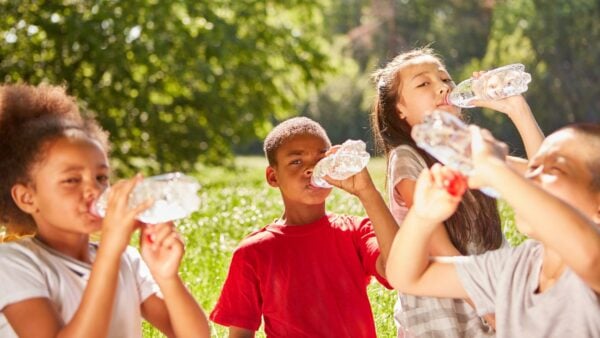
5 tips for keeping kids hydrated during hot Arizona summers
Thursday, July 16, 2026
Here are five tips to keep kids hydrated and avoid dehydration this summer in these triple digit temperatures.

Managing big feelings: Understanding why toddlers bite
Tuesday, July 14, 2026
Biting can be upsetting for parents and caregivers. Here’s what you should understand about why toddlers bite and how to react.
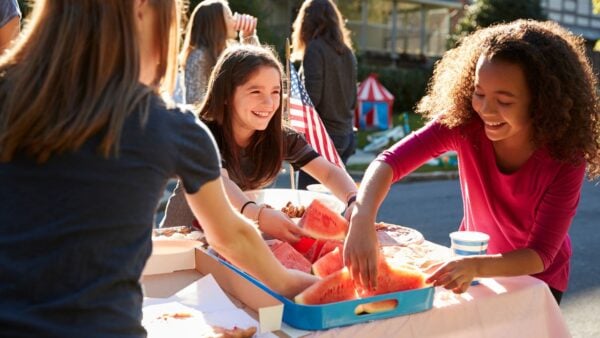
The power of ordinary people: 3 lessons from America’s founding
Wednesday, July 1, 2026
Here are three lessons from America’s founding that teach children that ordinary people have the power to make an extraordinary difference.