Zillow report: Over half of U.S. homes lose value
Dec. 9, 2025
Over half of U.S. homes experienced a loss in value over the past year, according to Zillow. This marks the highest percentage of home value loss since 2012. Despite being a buyer’s market, high mortgage rates have deterred many potential buyers.
Nationwide, the number of home sellers exceeds the number of buyers. The West and South regions witnessed the most extensive losses during the past year. This is attributed to an increase in the availability of homes and heightened climate risks such as tornadoes and wildfires.
Notably, most major metropolitan areas in these regions experienced at least half of their homes losing value. According to Zillow’s statistics, Denver, Austin, Sacramento, Phoenix and Dallas ranked among the cities with the highest percentage of home value loss. Denver experienced the most significant decline at 91%, followed closely by Austin at 89%, Sacramento at 88%, Phoenix at 87% and Dallas at 87%.
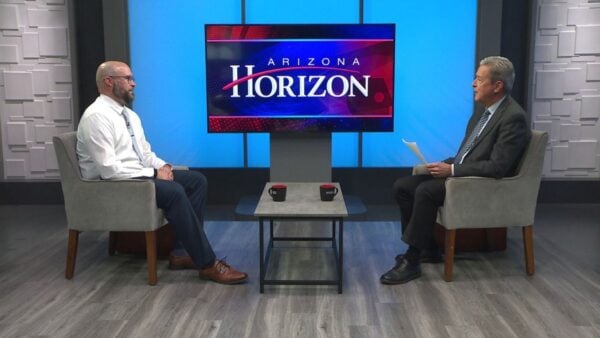
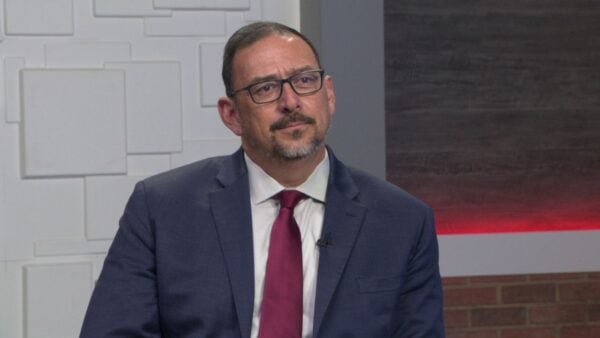
Mark Stapp, the Director for Master’s in Real Estate Development at ASU, joined “Arizona Horizon” to break down these trends and explain more about why exactly this is happening.
“Buyers have been used to more rapidly increasing prices in homes, and they can’t get those prices,” Stapp said, “…when you look at listings and the difference between a listing price on average, and a sales price on average, it’s really big.”
Stapp explained that he doesn’t see the homes losing value, but the inability to get the value that people want. This has led to numerous people pulling their listings because their property is not valued at what they believe it should be.
“There are so many factors that affect markets and sub-markets,” Stapp said, “…it’s hard to make these blanket statements…it makes people believe that the markets are crashing.”
Stapp emphasized that the average sales price in Metro Phoenix has been steadily growing over the last five years. However, the growth in average sales price has been much more rapid leading up to the last year.
In this segment:
Also in this episode:
SPOTLIGHT



STAY in touch
with azpbs.org!
Subscribe to Arizona PBS Newsletters: