Indigenous Communities Preserve the Tradition of Gathering Cattail Pollen
April 10
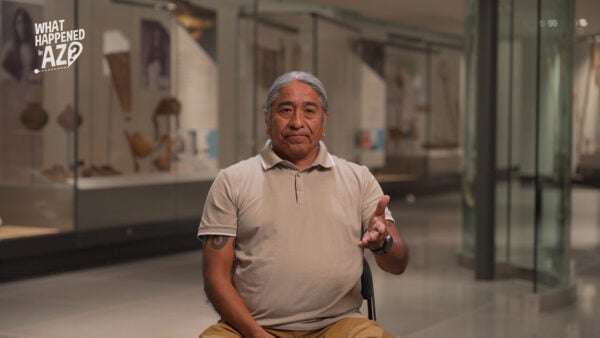
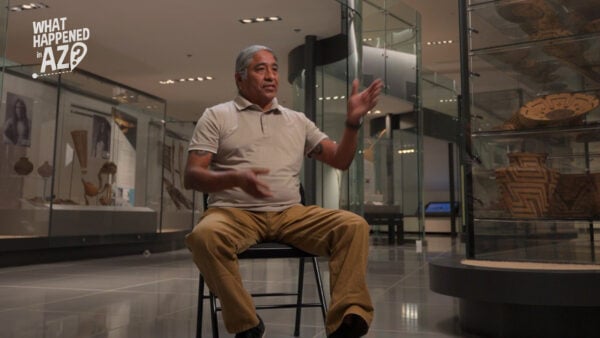
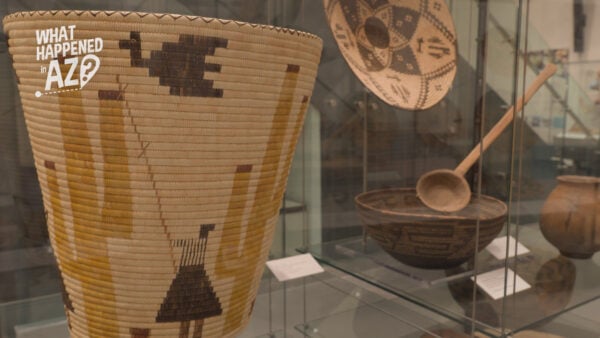
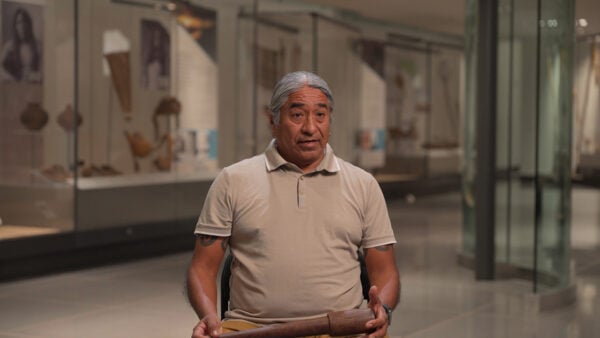
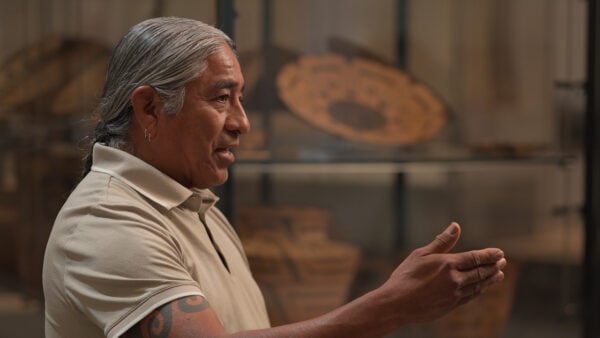
For generations, Indigenous communities across Arizona have preserved the meaningful tradition of harvesting cattail pollen, a practice deeply rooted in culture and prayer, nourishment and connection to the land.
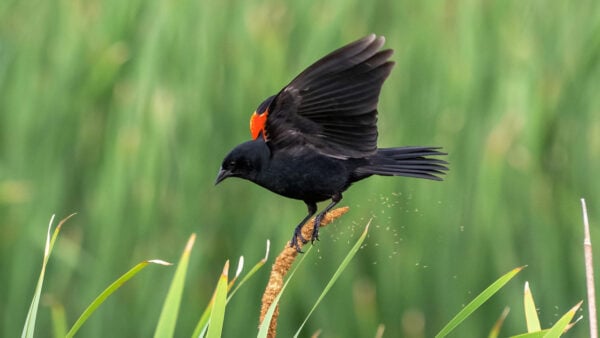
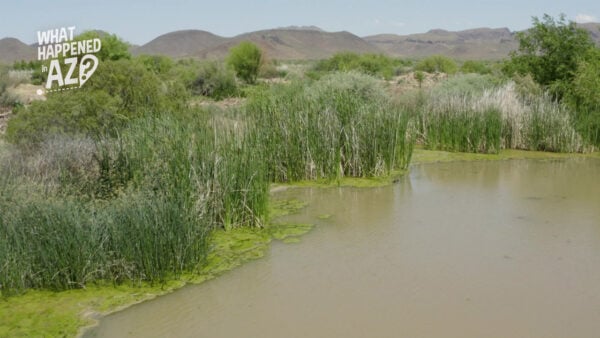
Cattail pollen, collected from the tops of cattail plants during a short seasonal window, has long been valued as a nutritious ingredient used in cooking and traditional foods. But beyond its practical use, the gathering process carries a deeper significance: it is a lesson in heritage, patience and respect for nature.
Families often pass this knowledge from elders to younger generations, teaching children not only how to identify when the pollen is ready for harvest but also the proper and respectful way to gather it. These teachings help ensure cultural wisdom and ancestral traditions continue to thrive in modern times.
The act of collecting cattail pollen is about more than simply gathering food: it represents a relationship with the environment and a responsibility to care for the land that provides.
Elders use the opportunity to share stories, language and life lessons while working together, creating moments of bonding and cultural education. These shared experiences help younger generations understand traditions are not just remembered, they are lived.

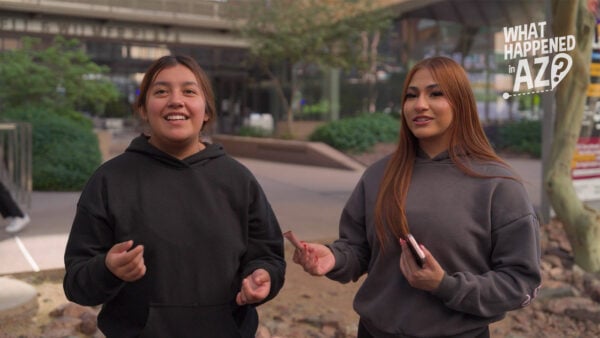
Each Friday we’ll be sharing a peek into the past that shows what life was like here, in what’s now Arizona, at the time of the American Revolution ahead of the semiquincentennial or 250th anniversary of the United States.
Stay tuned to learn more about “What Happened in AZ?” each week.
Corporate funding for THE AMERICAN REVOLUTION was provided by Bank of America. Major funding was provided by The Better Angels Society and its members Jeannie and Jonathan Lavine with the Crimson Lion Foundation; and the Blavatnik Family Foundation. Major funding was also provided by David M. Rubenstein; The Robert D. and Patricia E. Kern Family Foundation; Lilly Endowment Inc.; and the following Better Angels Society members: Eric and Wendy Schmidt; Stephen A. Schwarzman; and Kenneth C. Griffin with Griffin Catalyst. Additional support for THE AMERICAN REVOLUTION was provided by: The Arthur Vining Davis Foundations; The Pew Charitable Trusts; Gilbert S. Omenn and Martha A. Darling; Park Foundation; and the following Better Angels Society members: Gilchrist and Amy Berg; Perry and Donna Golkin; The Michelson Foundation; Jacqueline B. Mars; Kissick Family Foundation; Diane and Hal Brierley; John H. N. Fisher and Jennifer Caldwell; John and Catherine Debs; The Fullerton Family Charitable Fund; Philip I. Kent; Gail Elden; Deborah and Jon Dawson; David and Susan Kreisman; The McCloskey Family Charitable Trust; Becky and Jim Morgan; Carol and Ned Spieker; Mark A. Tracy; and Paul and Shelley Whyte. THE AMERICAN REVOLUTION was made possible, in part, with support from the Corporation for Public Broadcasting.