Apache Peace Camps: Survival and Strategy in Spanish Arizona
Feb. 6
Beginning in the 18th century, Spanish authorities sought to reduce conflict with Apache groups by establishing “peace camps” near presidios and missions. These camps offered food, rations and temporary safety to Apache families in exchange for pledges of peace and loyalty to Spain.
For many Apache, these arrangements were not a sign of surrender but a strategy for survival. Living in the harsh environment of the Southwest with constant threats from warfare, resource shortages and colonial expansion, entering a peace camp could mean protecting women, children and elders. It also created opportunities for trade and negotiation, even as it placed the Apache under Spanish oversight and influence.
However, peace camps were never simple or secure. They were often tools of control for the Spanish, used to weaken Apache independence and draw people away from traditional lifeways. For the Apache, the camps raised questions of trust, identity and resistance. While some groups used the camps strategically, others rejected them altogether, continuing to fight for their lands and freedom.
The legacy of the Apache Peace Camps is one of resilience and complexity. They reveal how Indigenous peoples navigated colonial systems with creativity and caution, balancing the need to protect their communities with the desire to remain independent.
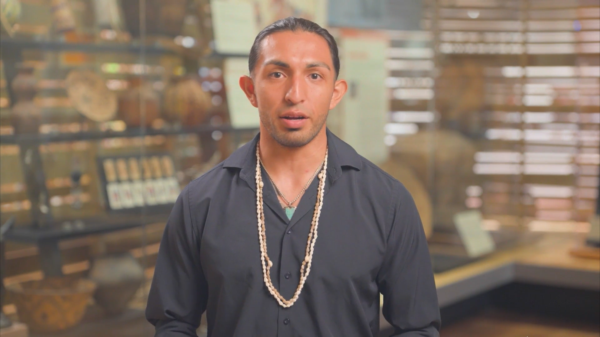
In this episode of “What Happened in AZ?,” we uncover the history of these peace camps and their role in shaping relations between the Apache and the Spanish. It’s a story that highlights not just conflict, but the difficult decisions Indigenous communities made in their fight to survive and endure in Arizona.

Each Friday we’ll be sharing a peek into the past that shows what life was like here, in what’s now Arizona, at the time of the American Revolution ahead of the semiquincentennial or 250th anniversary of the United States.
Stay tuned to learn more about “What Happened in AZ?” each week.
Corporate funding for THE AMERICAN REVOLUTION was provided by Bank of America. Major funding was provided by The Better Angels Society and its members Jeannie and Jonathan Lavine with the Crimson Lion Foundation; and the Blavatnik Family Foundation. Major funding was also provided by David M. Rubenstein; The Robert D. and Patricia E. Kern Family Foundation; Lilly Endowment Inc.; and the following Better Angels Society members: Eric and Wendy Schmidt; Stephen A. Schwarzman; and Kenneth C. Griffin with Griffin Catalyst. Additional support for THE AMERICAN REVOLUTION was provided by: The Arthur Vining Davis Foundations; The Pew Charitable Trusts; Gilbert S. Omenn and Martha A. Darling; Park Foundation; and the following Better Angels Society members: Gilchrist and Amy Berg; Perry and Donna Golkin; The Michelson Foundation; Jacqueline B. Mars; Kissick Family Foundation; Diane and Hal Brierley; John H. N. Fisher and Jennifer Caldwell; John and Catherine Debs; The Fullerton Family Charitable Fund; Philip I. Kent; Gail Elden; Deborah and Jon Dawson; David and Susan Kreisman; The McCloskey Family Charitable Trust; Becky and Jim Morgan; Carol and Ned Spieker; Mark A. Tracy; and Paul and Shelley Whyte. THE AMERICAN REVOLUTION was made possible, in part, with support from the Corporation for Public Broadcasting.
SPOTLIGHT




STAY in touch
with azpbs.org!
Subscribe to Arizona PBS Newsletters:
Gifts presented by Arizona PBS



Full Episode Feb. 5
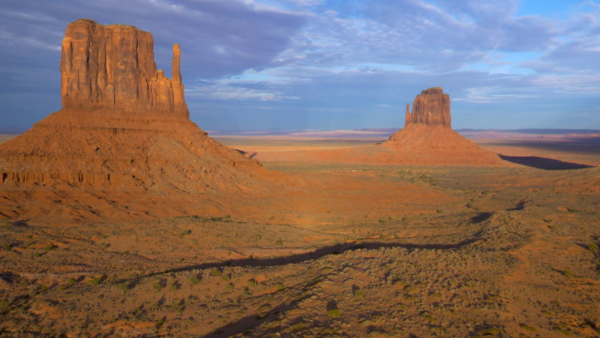
Edge of Eternity: Exploring Monument Valley