ASU offers 3 year teaching degrees, addressing teacher shortage
Nov. 13
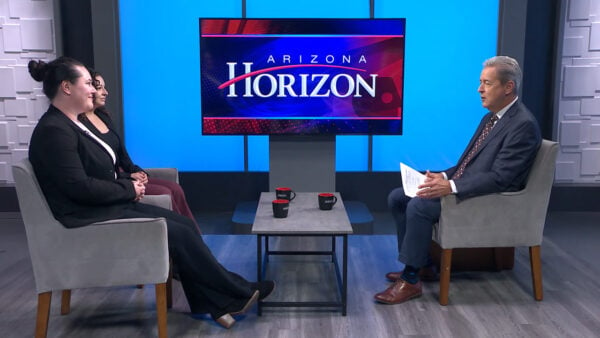
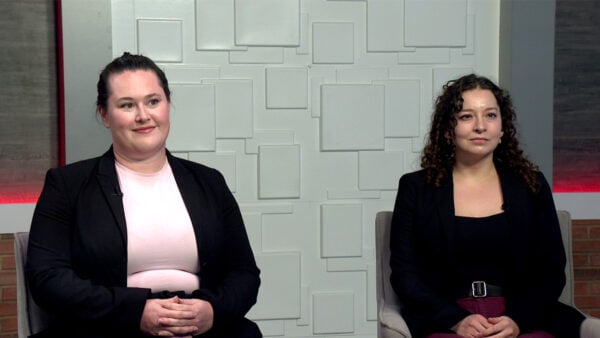
When Arizona State University (ASU) freshman Raelyn Emmett learned she could finish her teaching degree in three years, instead of the traditional four years, she couldn’t wait to enroll in the program.
“I’ve known I wanted to be a teacher from such an early age and I’ve always been very career focused and driven so to hear that I have a chance to get to that point so much faster. I was super excited,” Emmett said.
ASU’s Mary Lou Fulton College for Teaching and Learning Innovation announced its three-year bachelor degree is available in elementary education and special education.
Emmett said she wasn’t the only one who was excited about the new three year programs.
“As soon as the word got out… I think almost half the class was like ‘absolutely’ and started switching over to it and meeting with their counselors to get (into) that program,” Emmett said.
The three-year program can help get students like Emmett get into the field faster, and there is a dramatic need.
Currently, Arizona is facing a massive teacher shortage with more than 4,200 positions being filled with long-term substitutes, contracted staff or student teachers, according to the Arizona Department of Education.
Emmett said she’s aware of the state’s teacher shortage and understands teachers leave the field for reasons such as burnout and low salaries. But Emmett remains undeterred in her goal to become a teacher and said she’s passionate about working with students.
“I love seeing them excited and (I) love being part of those milestones for them, and that’s really how I knew ‘yeah this is something I want to do forever,’ Emmett said about teaching.
How will ASU’s three-year program help students?
The new pathway allows students to earn their teaching degree in elementary or special education after earning 90 credits. The four-year bachelors teaching program is still an option for students who may be interested in taking additional courses and exploring other areas of the profession.
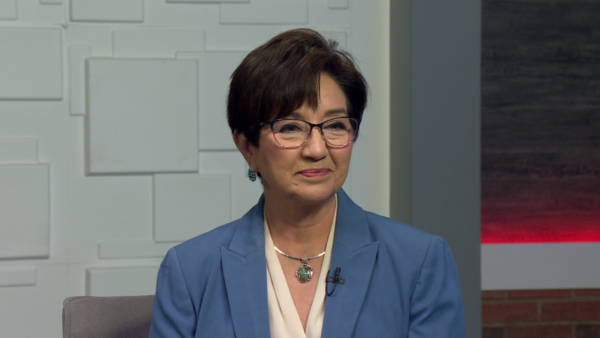
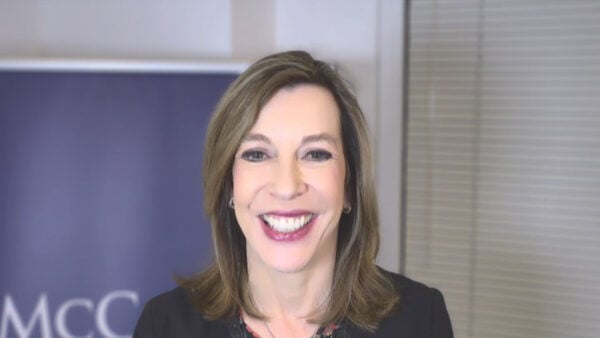
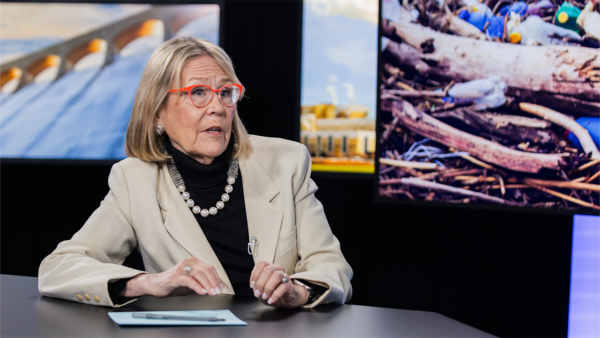
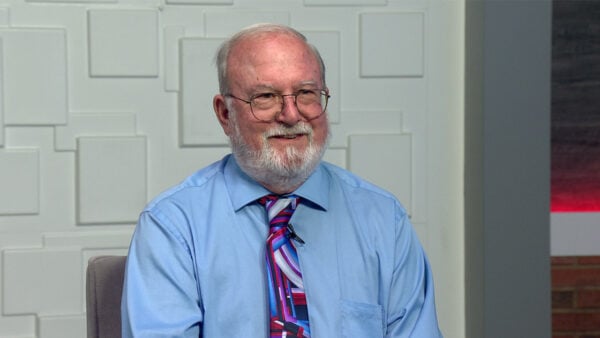
Carole Basile is the dean at Mary Lou Fulton College for Teaching and Learning Innovation and said the three-year program meets the same academic standards as other bachelor’s degree programs. Students can attend the program online or in-person.
“We’re trying to find as many ways as we can to provide as much accessibility as we possibly can to people who want to come into teaching and do that at a high quality,” Basile said.
ASU has partnered with Gila Community College in Globe and Arizona Western College in Yuma to help give access to students in rural areas to complete a teaching degree in three years.
Basile said one of the reasons ASU created the three-year option was to build a pipeline of teachers, but the university is also working on ways to retain and keep teachers in the classroom.
ASU teaching initiative helps tackle teacher shortage
Next Education Workforce is ASU’s initiative where teachers learn to work in teams, which helps to prevent burnout and create flexibility around the job.
Basile said teachers come from all walks of life and may have different strengths and areas of expertise, so collaborating while applying their specific talents, can lead to higher teacher satisfaction.
“It’s just allowing people to do better things, implement curriculum in better ways, in different ways. We’re all still teaching math, but now the person who’s really good at teaching math has the kids who are struggling the most, well that makes a big difference,” Basile said. “And, you’re not dependent on everybody having to know everything.”
Basile said teachers working together is a way to help alleviate heavy workloads and help teachers not feel so isolated in their work, making it more likely that they will want to remain in the career.
Basile has been dean of the Mary Lou Fulton College for Teaching and Learning Innovation for 11 years and believes the teacher shortage is caused by the difficulty in retaining professionals, rather than a lack of students who are entering the field.
“There were 65,000 teachers, certified teachers, in the state of Arizona not teaching. And so you kind of have to say to yourself like, ‘what’s that?’ So it’s not a teacher shortage,” Basile said. “It’s a shortage of people who actually want to do the job.”

Reporting by “Arizona Horizon” Education Solutions Reporter Roxanne De La Rosa. Her role is made possible through grant funding from the Arizona Local News Foundation’s Arizona Community Collaborative Fund and Report for America.