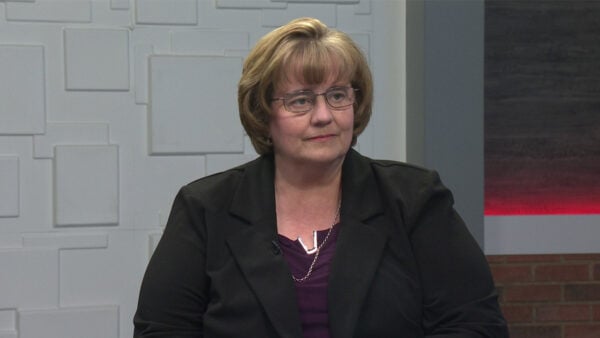
New study shows older adults are prone to falling down
Oct. 1, 2025
The U.S. Consumer Product Safety Commission says Americans are experiencing about 12 million falls per year. The nation’s population is aging, and the CDC projects that by 2030 there will be 52 million falls annually. That’s why a professor and his team at Arizona State University are teaming up with the CPSC to do something about this growing risk. Lockhart is the inaugural MORE Foundation Professor of Life in Motion in ASU’s School of Biological and Health Systems Engineering. Over the next several months, his lab will begin asking older volunteers to strap into a full-body safety harness and step on wet surfaces.
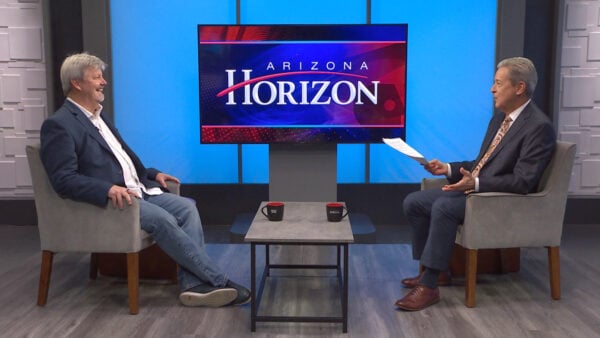
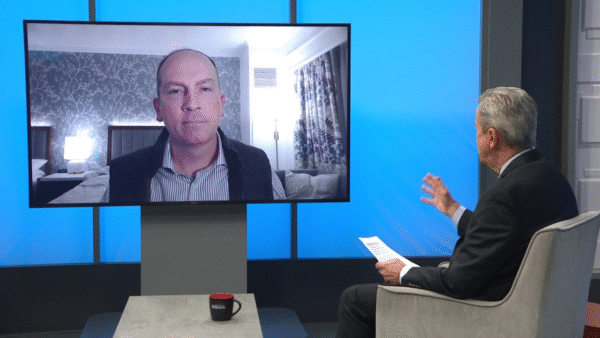
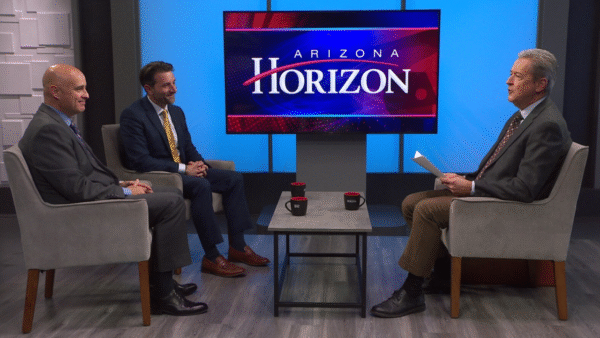
Dr. Thurmon Lockhart, Professor at the ASU School of Biological & Health Systems Engineering and Steve Filmer, ASU Media Relations Manager joined “Arizona Horizon” to explain more about their anti-fall techniques.
The number of falls that occur continue to increase is because the population for older adults continues to increase, but there are also a lack of safety standards. The bath-top standard for the coefficient of friction has been outdated since 1979.
“As we walk we demand certain friction, and if that friction is not met by certain friction demanding surface then you’re going to slip,” Lockhart said.
At ASU Lockhart and his team are conducting a study where older adult take a step onto tile when it is dry and coated in a slippery solution. If the participant slips past a certain point it is considered a fall because they can no longer support themselves.
“What’s happening with the bathtub industry is, if you put a high coefficient of friction, if it is not slippery, then it’s going to be very hard to clean,” Lockhart said. “If it is very slippery, then it is very easy to clean.”
According to Filmer, the research is necessary to create standards, but the research can only be done when people partake in the study. Anyone ages 18 to 100 are invited to take a step into ASU’s latest research project.
In this segment:
Also in this episode:
SPOTLIGHT





STAY in touch
with azpbs.org!
Subscribe to Arizona PBS Newsletters:
Gifts presented by Arizona PBS








Dec. 26, 2025
Journalists’ Year in Review 2025

Dec. 25, 2025
Economic Roundtable 2025