U.S. Supreme Court declines an Oak Flat hearing a second time
Oct. 16, 2025
The U.S. Supreme Court has declined to hear a bid by Apache Stronghold to overturn a land exchange for the second time. The land exchange would allow a copper mine at Oak Flat, a land that is held sacred by Indigenous people.
Apache Stronghold, which is a grassroots group, is trying to stop the deal between the U.S. Forest Service and a British-Australian mining firm, Resolution Copper, at Oak Flat. The deal has been the topic of a drawn-out legal battle.
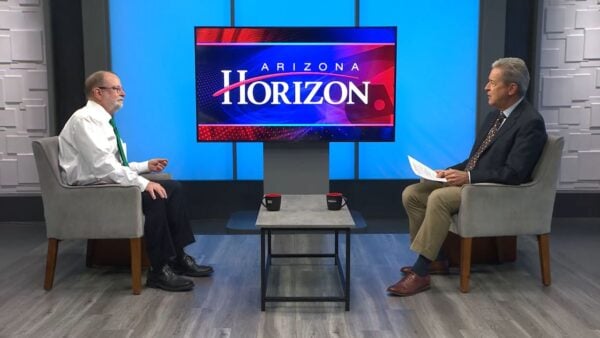
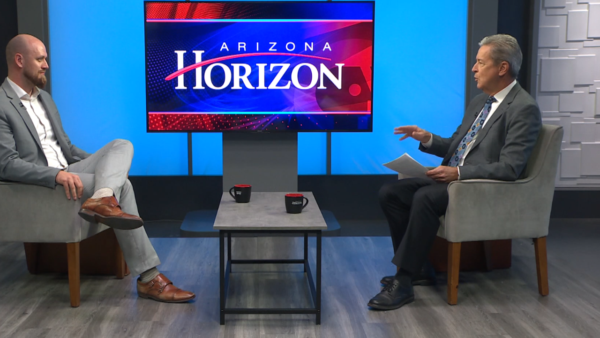
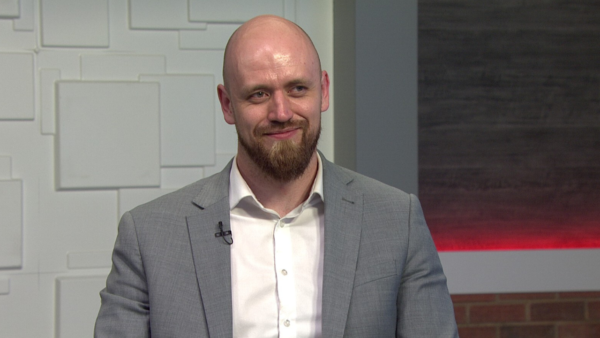
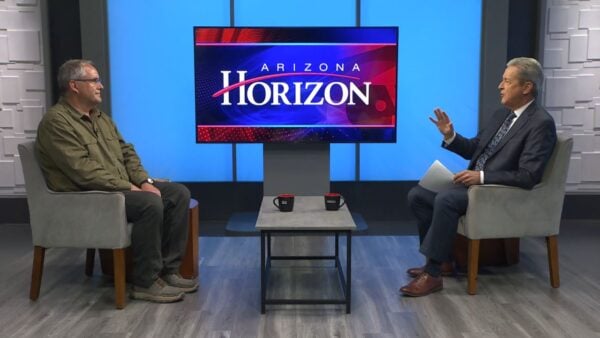
Arizona Republic Indigenous Affairs Reporter, Debra Krol, joined “Arizona Horizon” to expand on what the next steps are in this battle.
The Supreme Court’s recent decision to decline a hearing on the Oak Flat land exchange makes it the second time the high court has refused to take up the challenge. The first time can be traced back to the 1980s, where a precedent was set that the destruction of a sacred site does not mean people cannot practice their religion, something the courts continue to uphold.
According to Krol, the current fight centers on a land exchange finalized in a last-minute rider to a defense bill in 2014, which was negotiated by Resolution Copper. The company offered private land plots to swap for Oak Flat, which the local tribes consider one of the “homes of the mountain spirits.”
Resolution Copper plans to extract copper ore, enough to potentially supply 25% of the country’s demand, through a method that Krol explained, “It’s the reverse of an open pit. They drilled a 7,000-foot shaft, already tunneling underneath, leaving pillars just enough to hold the land above it up. They will knock the pillars down.”
The Apache Strongholds argue that the existing legal precedent fails to look back far enough, asserting that their religion has a connection to the land.
“You guys are not looking back far enough, because of some religion that came here 50 years ago and doesn’t have the same connections to the land, and has been here for five, ten, 20,000 years, said Krol regarding the Strongholds’ response.
Despite the Supreme Court’s refusal in this particular suit, the legal fight is not over, as there are currently three other lawsuits in play. One of the suits filed by environmentalists and tribal associations, and another by the San Carlos tribe, covers both religious and environmental concerns.
In this segment:
Also in this episode:
SPOTLIGHT




STAY in touch
with azpbs.org!
Subscribe to Arizona PBS Newsletters:

Full Episode March 20
Iran War Update; AZ Diamondbacks Home Opener; 48 Arizona Women



Full Episode March 18
Record-breaking heat in Phoenix; Holocaust novel; Phoenix Zoo VR experience