How the government shutdown disrupted U.S air travel
Nov. 13, 2025
While the longest government shutdown in U.S. history has ended, travelers heading to airports still may face flight disruptions. This comes after many air traffic controllers missed their first full paycheck late last month. According to FlightAware, a flight tracking service, almost 6,000 U.S. flights were delayed on Nov. 2nd.
The Federal Aviation Administration indicated that many air traffic control facilities were understaffed. This was reported at many airports across the country last week, including Nashville, Jacksonville, Austin, and Denver.
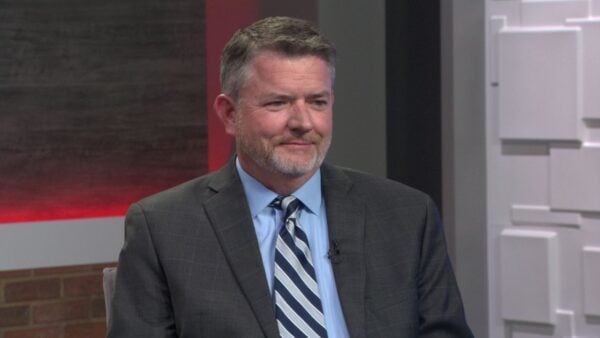
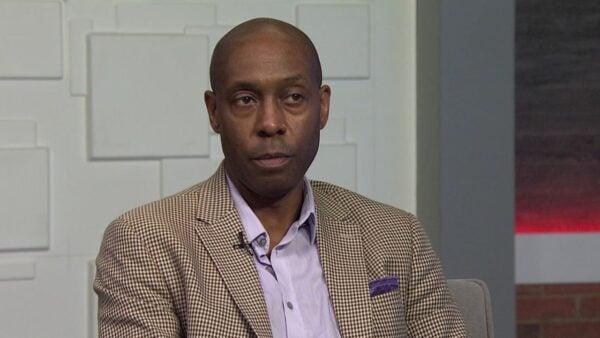
Michael Pearson, Clinical Associate Professor of Aviation at The Polytechnic School, joined “Arizona Horizon” to discuss more about the current status of air travel.
Pearson, who spent nearly three decades as an air traffic controller, said the system is still strained even after the shutdown’s resolution. He explained that staffing shortages existed long before the government closed, rooted in a hiring freeze that began in 2011 and lasted several years.
That pause, he said, eliminated a generation of incoming controllers and left the FAA struggling to replace retirees in an already demanding field.
“We’re down thousands of controllers,” Pearson said, noting that many are now working six-day weeks and long shifts to keep up with flight demand. Fatigue, he added, is becoming a significant concern, especially at high-volume airports on both coasts.
The shutdown only magnified the problem. Delayed paychecks forced many controllers to work without compensation, leading to increased stress and uncertainty.
Even with the government reopened, Pearson said it may take months before flight schedules fully return to normal. Some airports, including Phoenix Sky Harbor, temporarily reduced operations to maintain safety standards during the staffing shortage.
Looking toward the Thanksgiving travel rush, Pearson said he expects airlines and the FAA to stabilize their schedules but warns travelers to plan ahead. The Wednesday before Thanksgiving remains the busiest travel day of the year, and delays typically worsen throughout the afternoon.
He recommended booking morning flights or leaving earlier in the week to avoid the worst congestion.
Pearson expressed hope that lawmakers will prevent another shutdown, though he remains doubtful. “If something bad can happen,” he said, “the government will find a way to magnify it.”
For now, he said, rebuilding the aviation workforce and modernizing the system will take years of sustained attention, long after the shutdown has faded from headlines.
In this segment:
Also in this episode:
SPOTLIGHT






Full Episode March 27
Record High Gas Prices; Veterans’ Writing Circle; Colon Cancer Clinic






Full Episode March 25
Updates on Iran; ‘Are You Happy?’ documentary; “Prince’s Minneapolis” biography


March 24
NCAA women’s basketball mural