LATE dementia on the rise
Feb. 11
Just recently, a new type of dementia has been on the rise. It is called L.A.T.E. dementia, which is short for Limbic-predominant age-related TDP-43 encephalopathy.
According to guidelines, L.A.T.E. dementia is now estimated to affect about a third of people aged 85 years or older, and 10% of those 65 and older.
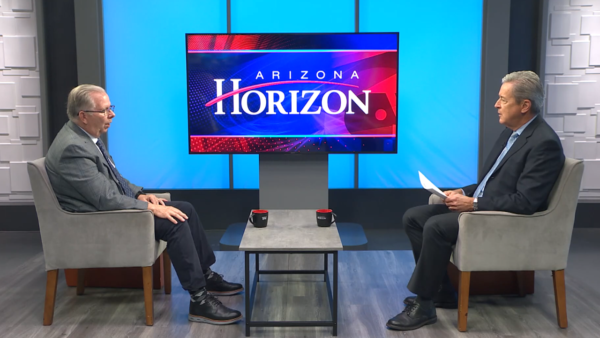
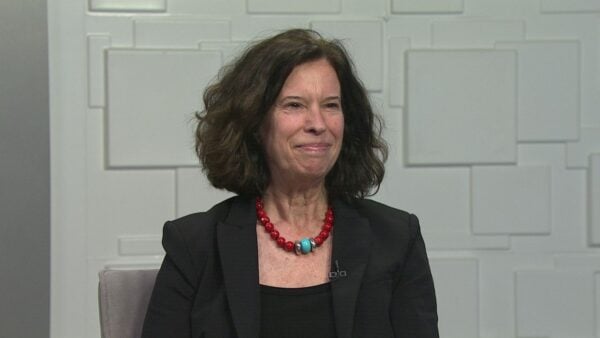
Dr. Amit Shah, a geriatrician at Mayo Clinic Arizona, joined “Arizona Horizon” to discuss this new type of dementia.
In the acronym L.A.T.E., Dr. Shah explained the L stands for limbic predominant, which is the part of the brain it tends to affect, and the A is for age-related, as their patients tend to be much older. The T stands for TDP-43, which is the protein causing some of the problems, and E is for encephalopathy, which is the dementia.
“We have probably had this dementia occurring forever, we just never had the ability to diagnose it very well,” Dr. Shah said. “We are now finding that people that we thought for sure they have Alzheimer’s disease, we do the scans, and we find out there’s no amyloid in their brain, so there must be something else going on.”
Dr. Shah said the TDP-43 protein “gloms” onto the cells and affects slightly different areas than Alzheimer’s disease. However, there is a common overlap between the two as they both affect the hippocampus, the short-term memory part of the brain.
“When we see patients where we find both Alzheimer’s disease, pathology with amyloid plaques, and we see this TDP-43 protein,” Dr. Shah said, “those patients seem to have had a really aggressive and quick decline with their dementia.”
According to Dr. Shah, some potential reasons why some of the Alzheimer’s disease trials and drug trials have not been successful are because they have been treating people with L.A.T.E. dementia by giving them Alzheimer’s drugs.
“There’s a lot of focus on making the diagnosis accurately, and so we don’t have that yet,” Dr. Shah explained, “and then lots of interesting work going on trying to figure out some effective treatments. Nothing that’s FDA approved, nothing that’s ready for the patient.”
In this segment:
Also in this episode:
SPOTLIGHT





March 30
ASU lab explores interior of planets
Full Episode March 27
Record High Gas Prices; Veterans’ Writing Circle; Colon Cancer Clinic





Full Episode March 25
Updates on Iran; ‘Are You Happy?’ documentary; “Prince’s Minneapolis” biography

March 24
NCAA women’s basketball mural