With growing drought concerns and limited water resources, three Arizona universities are working to capture more water for Arizona. The project aims to better understand how much water is in Arizona’s groundwater basins — and to figure out how to get more water into aquifers rather than losing it to evaporation from high temperatures.
The Arizona Tri-University Recharge and Water Reliability Project found that more than 95% of precipitation falling across the state is lost to evapotranspiration. Their goal is to capture water that’s currently being lost and keep it underground for future use.
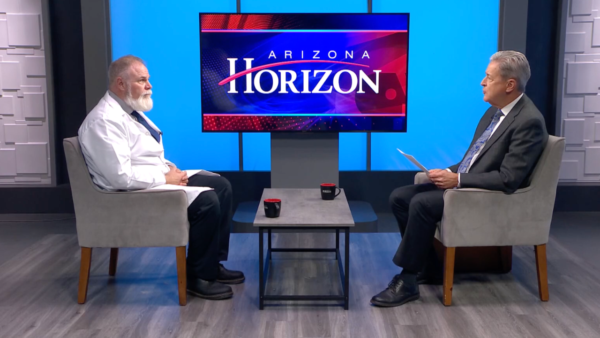
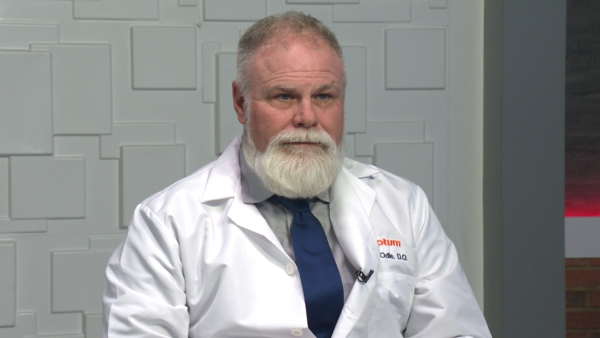
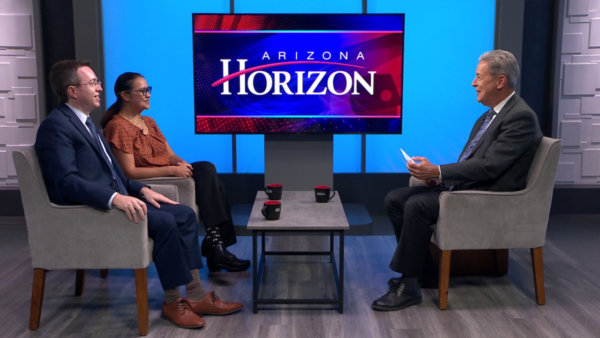
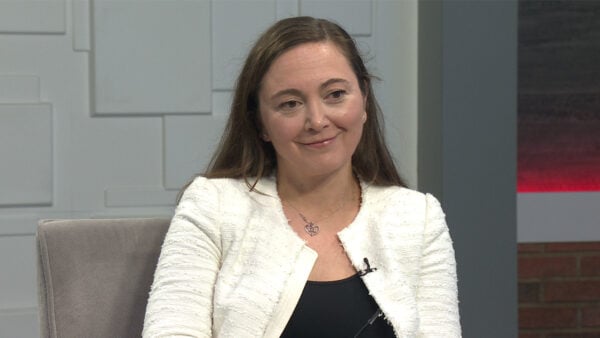
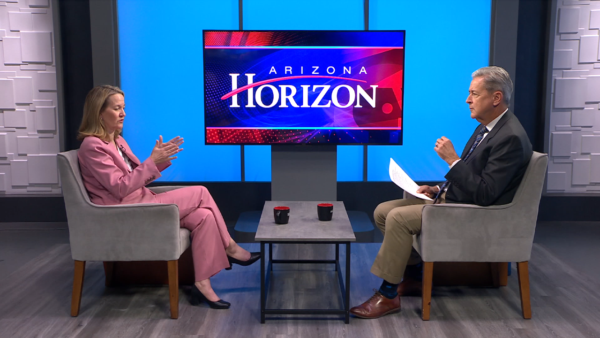
Dr. Giuseppe Mascaro, the principal investigator for this plan through ASU’s Water Institute and Global Futures Laboratory, joined “Arizona Horizon” to share details about the plan and what it could mean for the future of water conservation in Arizona.
“The question that we had was, can we identify ways of capturing water that otherwise would evaporate,” Mascaro said. “And then find ways of sending the water somewhere where it can reach the aquifer.”
We means the three state universities: Arizona State University, Northern Arizona University and the University of Arizona.
“Why the three universities? Because we have different expertise, different areas of the state, you know, every university is a different epicenter, in a sense,” Mascaro said. “And so we joined forces; this was a request from the Arizona Board of Regents.”
Arizona loses almost all of rainwater to evaporation. Scientists estimate that only 3% goes to the atmosphere. And this project has already found some ways to protect water and help it move into underground basins.
“Stormwater in urban areas, we can capture the stormwater more efficiently and send it to areas where it can more efficiently soak into the ground under geological conditions that help that,” Mascaro said. “Or we can preserve areas where we know the recharge is more efficient.
The project is dedicated to finding small interventions to help save and store water. Still, Mascaro said there definitely needs to be more research to understand water conservation and its environmental effects.