How one program is combatting Arizona’s literacy crisis in a unique way
Aug. 29, 2025
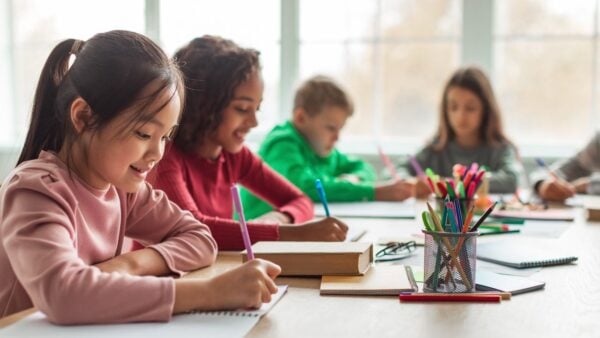
A national program promotes early literacy in Arizona by involving pediatric physicians and using well-child visits as an opportunity to expose children to reading.
Reach Out and Read Arizona is addressing the state’s literacy crisis by providing free books during pediatric care appointments beginning at birth until the age of five.
Only 39% of third-graders in Arizona are reading at proficient levels, according to advocacy group Education Forward Arizona.
The group partners up with physicians across the country to support parents and caregivers while promoting early literacy. There are about 163 clinics in Arizona that participate in Reach Out and Read Arizona.
Depending on the visit, the physician may even sit and read the book together with the child.
A physician’s perspective
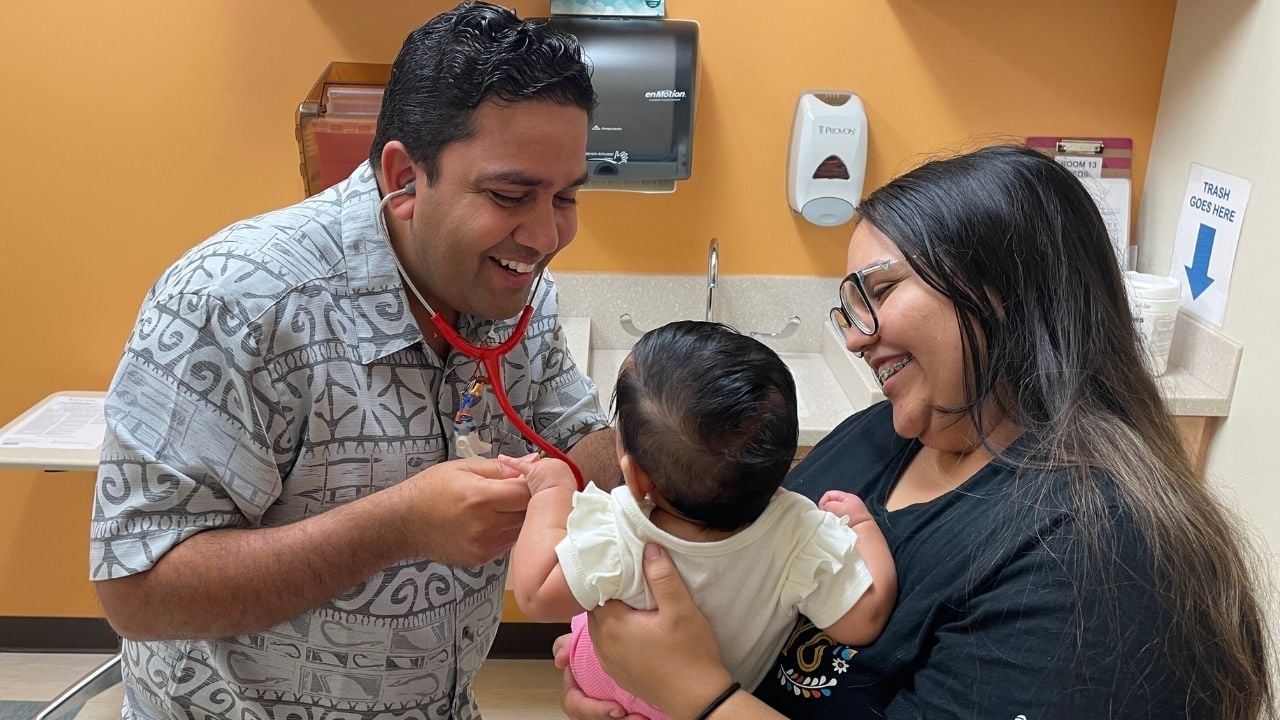
One of those physicians is Dr. Saisho Mangla, a Banner Health pediatrician in Chandler, who is part of Reach Out and Read Arizona. He was first introduced to the program during his residency training in Pennsylvania.
For the past six years, Mangla has given out free books to his patients while assessing them during their well-child visits. He feels the program is important now more than ever.
“Since COVID, one of the big goals is to transition from phones back to books, and getting kids off the screens and just holding a book in their hands again,” Mangla said.
“And it’s not only for kids, but I would say also for the parents, because sharing a book with your child fosters a special time, whether it’s bedtime, mealtime that you remember more so than just kind of swiping away on your phone.”
Mangla himself is a father of two children, and one of his favorite things to do is to read with them. The primary goal of the program is to encourage early literacy, but spending time reading to a child builds stronger relationships, which is just as important, he said.
“I’d much rather hear my daughter say, ‘Can we read one more book?’ Then five more minutes of whatever show you know they want to watch,” Mangla said.
“It’s just so much more rewarding and we have some of the same books that we read at night that have just become really special to us like ‘What a Wonderful World’ and ‘The Very Hungry Caterpillar,’” he said.
Nationally, Reach Out and Read shares nearly 8 million books annually, and 67% of them go to children from underserved families. Physicians who are interested in becoming part of the program are required to complete training modules, but Mangla said it’s a fairly easy process to get involved.
Manglas’s clinic helps cover the costs of the books. In the past, he has partnered up with Scholastic to purchase books to be a part of the program, which are available at a much lower cost.
Combining well-child visits and free books makes coming to the doctor a positive experience for young children who may be nervous or afraid during their visit.
Mangla’s young patients remember receiving a book during their visits and look forward to coming to their doctor’s visits.
“We love it. The parents love it because they like to see that interaction and it makes it feel less like a doctor’s visit and more so just you’re going to see your friend to see how we’re doing,” Mangla said.
How does Reach Out and Read promote early literacy?
About 80% of a child’s brain is developed by the age of three. Children who are read to from birth and go on to enter kindergarten have an increased vocabulary and reading comprehension skills.
Families that see a participating doctor in Reach Out and Read are more likely to attend their well-child visits and are 2.5 times more likely to read to their children three or more times a week, according to an independent study of the program.
Holding a physical book engages a child’s senses, and Mangla can easily assess a child’s fine-motor skills. When he enters the room to give a patient a book, they often become excited.
As a doctor, Mangla uses the books as an assessment tool to observe his patients’ milestones. He can assess whether a child can turn the pages of a book and hold it, even if the child is just an infant.
“And sometimes the parents can interact with them with the book while I’m looking in the ears and listening to the heart and lungs, and if they’re really scared about me looking in the ears, listen to their heart, I’ll use the book as ‘Oh, look, the bear. I’m going to listen to the bear’s heart and lungs,’” Mangla said.
“It almost acts as an ice breaker, so that way the visit takes actually less time, because the kids don’t see me coming towards them with pokes and needles. It’s like, ‘Oh, he’s got a book for me,’” Mangla said.
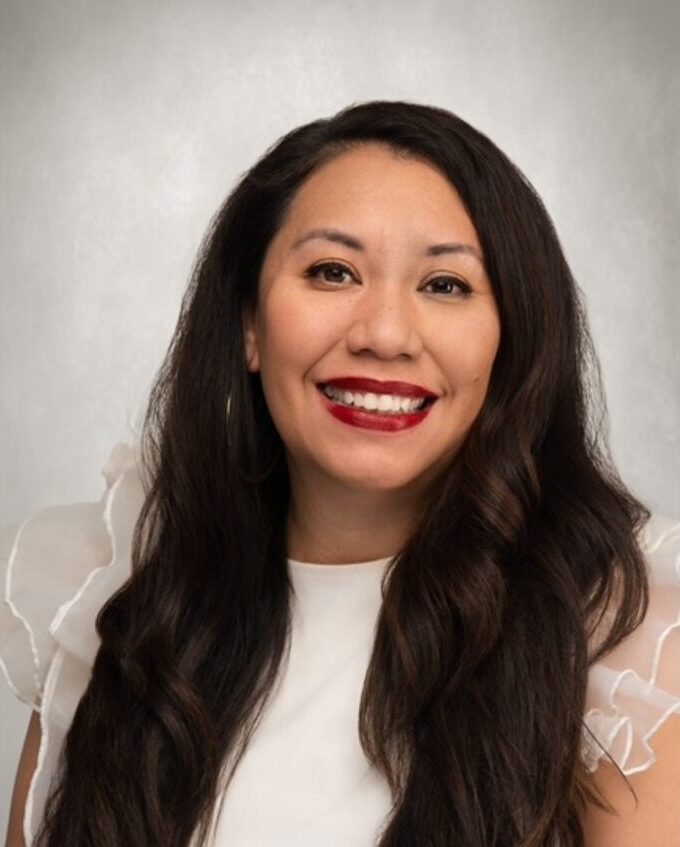
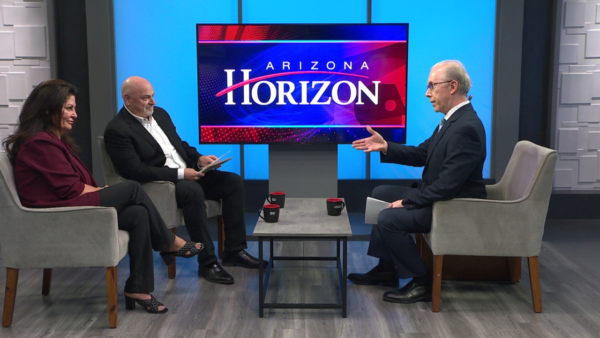
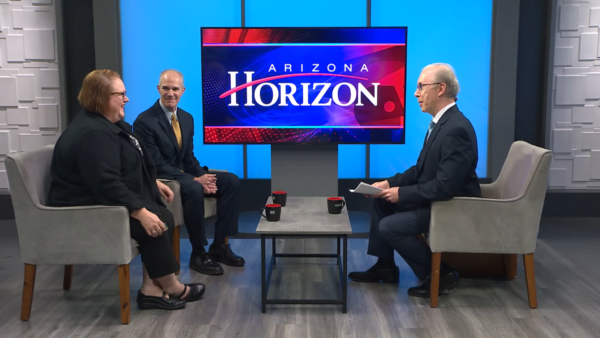
Reporting by “Arizona Horizon” Education Solutions Reporter Roxanne De La Rosa. Her role is made possible through grant funding from the Arizona Local News Foundation’s Arizona Community Collaborative Fund and Report for America.
SPOTLIGHT



STAY in touch
with azpbs.org!
Subscribe to Arizona PBS Newsletters:
Gifts presented by Arizona PBS


Full Episode March 6
Democrats Fund Races; Free Little Library; Pompeii Exhibit