How to inspire students to care for our planet this Earth Month
April 28
Because April is Earth Month, let this month be a meaningful reminder to celebrate our amazing planet and teach our students about the importance of caring for our environment.
As talks of climate change are growing more important than ever, let’s take this time to inform our students and children about tackling climate issues and taking environmental action.
By teaching about Earth Month and environmental justice, students can take what they learn in the classroom into the world beyond, keeping the next generations aware of how to care for our Earth.
Teaching environmental conservation can build eco-friendly habits that are used year-round, so let’s remind our students of their responsibility in taking climate action, not just in April, but for years to come.
Here are five ways to teach students about the importance of Earth Month and environmentalism:
1. Teach sustainable habits. Building habits that help our environment is a great way to ingrain lifelong responsibility and action. Start by giving students a few simple tasks that they can complete each day. One of the most valuable habits to teach young children is how to reduce, reuse and recycle. If you don’t have one in your classroom already, try using a recycling bin. Create labels for which items students can dispose of and which can be recycled. You can also teach students how to reduce the amount of energy they use. Even small tasks like turning off the lights when leaving a room can create a big impact.
2. Create a pledge. Once you teach your students about eco-friendly habits, try creating a pledge that you can review or recite as a class. You may already have a pledge you like to use in your classroom, such as a kindness pledge. This is a great way to enforce habits and inspire values and responsibility.
3. Try an experiment. There are plenty of examples online to get you started. These experiments don’t need to be grand, even just promoting observation can inspire students to become curious and take action. Try leading an experiment that shows the impact of water pollution or energy usage.
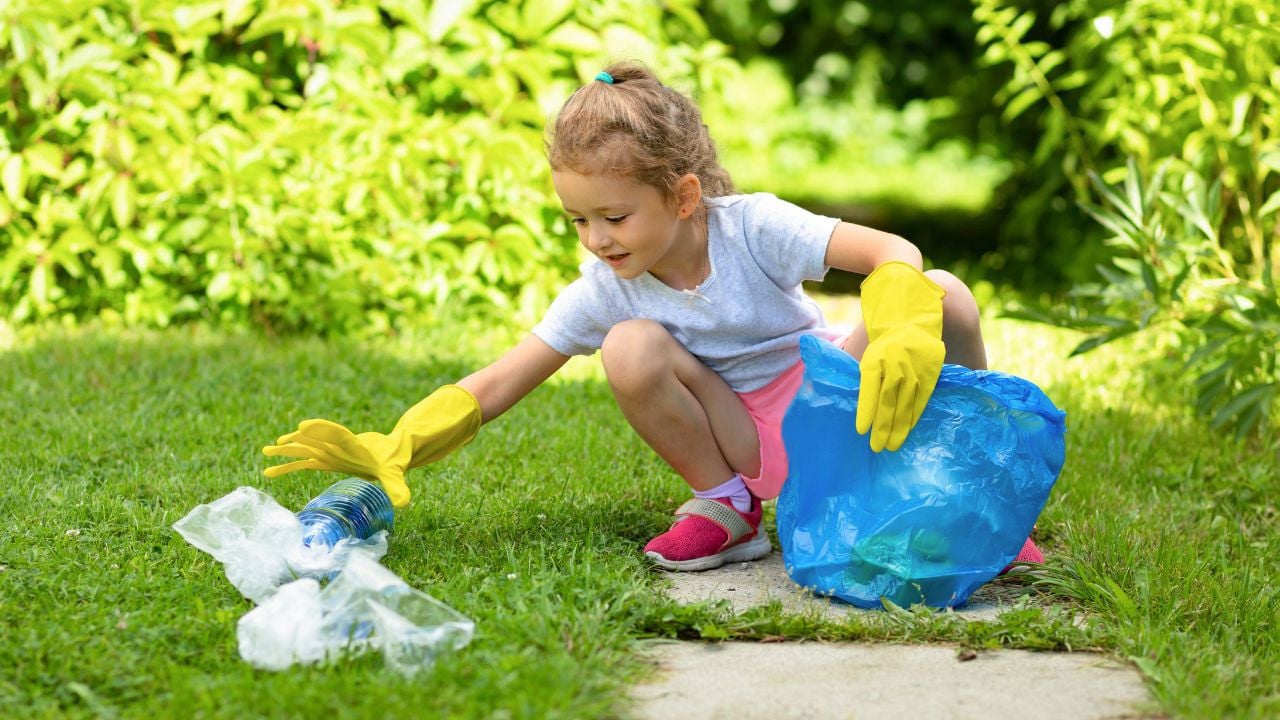
4. Classroom activities. If your class isn’t quite ready for an experiment, try leading a fun activity. For example, you can have your students take a walk around campus to collect trash. To make the activity more exciting, you could even have them make art pieces out of the recycled material they find.
5. Plant a classroom garden. Depending on your school policies, you may be able to plant a classroom garden. This is a great way to inspire curiosity and observation. When your students are able to watch their hard work pay off in the form of a garden, it can also help to promote responsibility and patience. This doesn’t require buying expensive tools. Plastic cups, seeds, soil and a sunny spot will do the trick.
The Earth Month celebration doesn’t stop at these five activities. Climate action is needed each day. Teaching students about how to care for our planet is an excellent starting point, but practicing conservation habits should be carried out beyond April. Encourage your students to form long-term habits that will make big impacts, and consider refreshing this topic with them frequently.
For more inspiration, visit Arizona PBS LearningMedia, where you can find videos, articles and lessons that help students explore the history of environmental justice and its role in conservation efforts.
What are some ways you teach your students or children to take care of our environment? Share your thoughts and ideas with us on the Arizona PBS Kids Facebook page!