1 in 4 Arizona students chronically absent, higher for disadvantaged students
Oct. 5
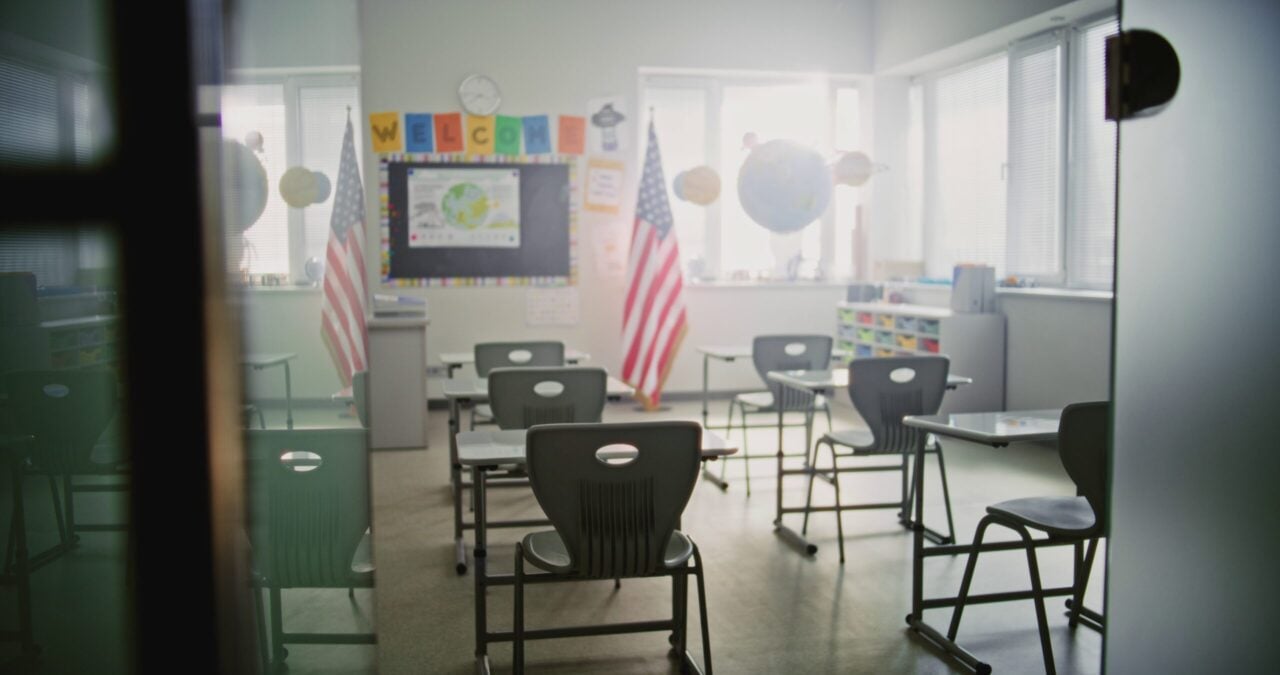
Students missing school continues to be an issue across Arizona with 1 in 4 students being chronically absent from the classroom.
The number of chronically absent students in grades 1-8 soared after the pandemic and rose to 32% in 2022. Chronic absences have dropped to 24%, but it’s a far cry from pre-pandemic levels, which sat at 13% in 2019.
When it comes to students from low-income families and Native American students the number of chronic absences is even higher – at 30%
The dire numbers prompted Arizona Gov. Katie Hobbs to declare late September as Chronic Absence Awareness Day, which recently landed on Sept. 29.
Read on Arizona and the Governor’s Office worked together to bring attention to the effort to help reduce the number of kids missing school. Literacy advocacy group Read on Arizona wants to improve those numbers and help students get back on track.
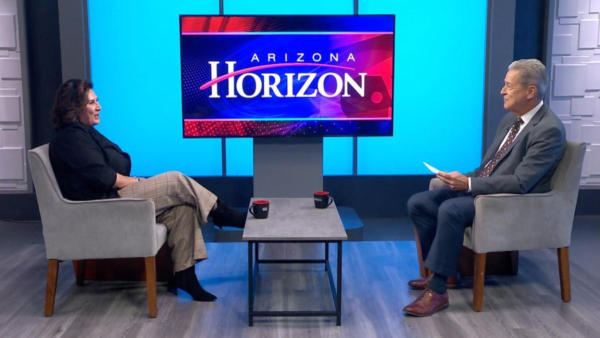
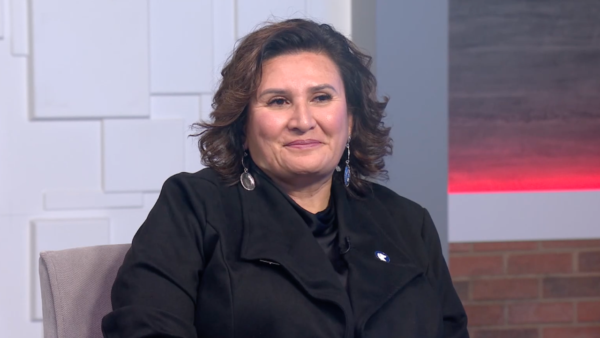
Lori Masseur is Read on Arizona’s Director of Early Learning and her group is also behind the creation of the Arizona Chronic Absence Task Force.
“Arizona historically has had one of the highest chronic absence rates in the nation. Since the chronic absence task force came into fruition, we have reduced those rates in the state by 8%.” Masseur said.
A student is considered chronically absent when they miss 10% of school during the school year, whether the absence is excused or unexcused. That’s about 18 days in a regular school year and equals to about two days a month.
Masseur said the impacts of chronic absenteeism go beyond the classroom and can even affect how well a student reads. A 2014 study conducted by Arizona State University and Read on Arizona found a correlation between absences and reading proficiency.
“What that data showed was (that) for every 1% that a school site improved attendance, there was a 1.5% increase in proficiency rates for students in reading,” Masseur said.
How is Read on AZ addressing chronic absenteeism?
In 2023, Read on Arizona formed the Arizona Chronic Absence Task Force to help address the issue head on. The task force is made up of leaders from school districts, community partners, state agencies and legislative staff. The initiative bought together national experts to create a plan of priorities and recommendations to help reduce absences.
“One of the things that we often share is that for every day that a child misses school, it takes a teacher approximately two days in which to catch them up. And so those are all factors that are impacting acquiring those skills necessary for learning to read,” Masseur said.
One of the key recommendations by the task force was for schools to collect actionable data on student absences that could help identify the challenges, which would help schools get to the root cause of chronic absences.
Students from lower-income families may face obstacles such as finding reliable transportation and consistent housing, which affects a lot of rural school communities. Families facing illness and trauma could also play a factor. Certain students may feel disengaged from school and have a hard time connecting with other students and school staff.
Schools may offer wrap-around services such as counseling and work with community partners to address family and student needs.
Each student has a different reason for missing school and root causes can be unique from community to community.
The Buckeye Elementary School District and Washington Elementary School District have implemented the task force recommendations by collecting real-time data, which has led to a reduction in absences, Masseur said.
Chronic absenteeism can affect a child’s educational trajectory and can even impact high school graduation rates, Masseur said. Chronic absenteeism is more than a school issue, it affects communities and the workforce.
That’s why it’s important for schools and community partners to work together.
“I want to emphasize that chronic absence is solvable. We can reduce it. I know that when we see levels that … can feel overwhelming, but it is a problem that we can solve,” Masseur said.

Reporting by “Arizona Horizon” Education Solutions Reporter Roxanne De La Rosa. Her role is made possible through grant funding from the Arizona Local News Foundation’s Arizona Community Collaborative Fund and Report for America.