Healing the public divide after the election and beyond
Nov. 4, 2020
The country has split further in two during the 2020 Election season. No matter who wins the election, we need to come together. But how do we achieve that?
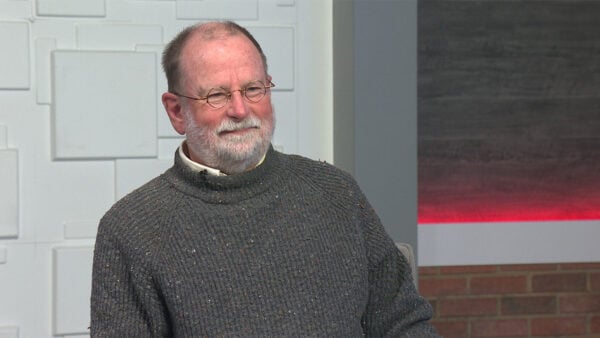
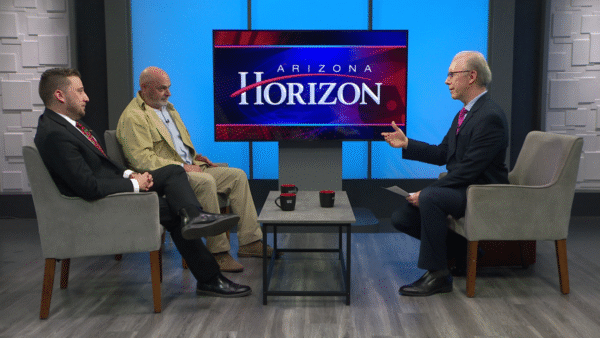
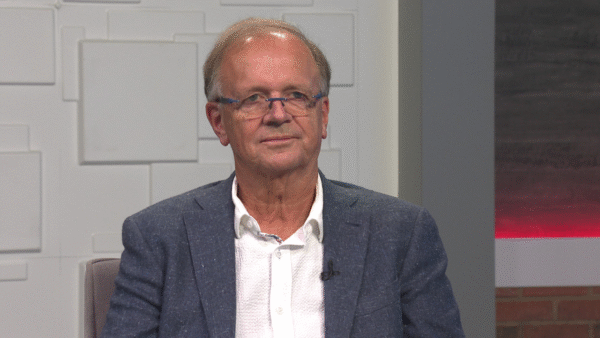
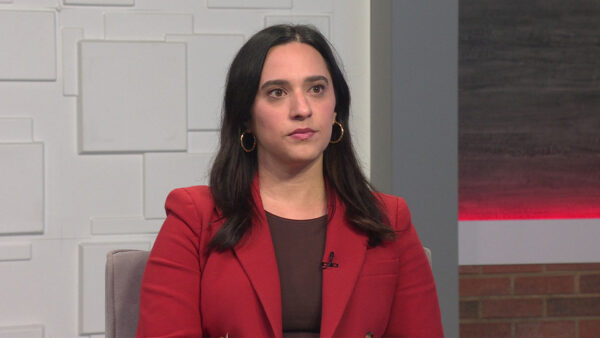
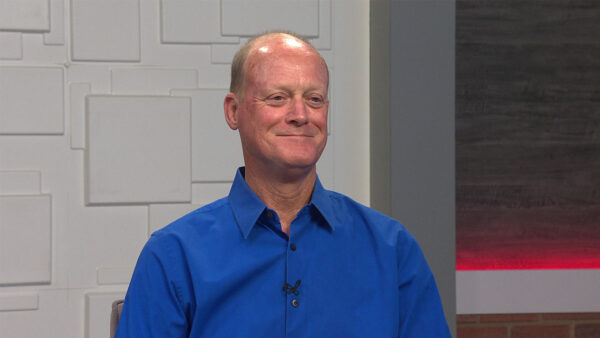
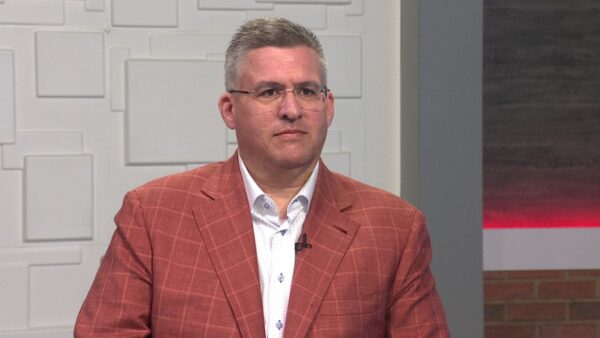
We talked with Clark Olson, a professor at the Hugh Downs School of Human Communication at ASU about civil discourse and how we can have constructive discussions despite having different opinions.
“I would say what’s ultimately happening and has been happening for quite a few months, is that we have tried to demonize people with different viewpoints and almost characterize them as evil,” said Olson.
So, how do we have constructive conversations about politics?
“Usually what happens is when we’re looking for information we believe only the information that confirms our own beliefs, and we all believe that our own opinions are right,” said Olson.
He said to counteract that common human characteristic, we must set aside our own rightness to open the possibility for new ideas and we might learn to appreciate our differences rather than ridicule them.
Arizona State University created a format for discussion called, “civil discourse.”
Civil discourse is a technique where a statement is made and participants will sit in a specific chair that either means, “strongly agree, somewhat agree, neutral, somewhat disagree, or strongly disagree.” Then each individual is given an opportunity to share why they chose a position and it is opened to core dialogue, then it moves to the audience and after that they can give their closing statement.
Olson said, “It’s truly about understanding, and being able to model civility. And we think if you can model civility even for 20-25 minutes, you can take that home to the dinner table” and beyond.
Where can we start to overcome this divide?
He said that we are going to disagree because that is the foundation of democracy but, “that’s what we’re ultimately going to have to come to respect, after the election results are actually known.”
“The path to healing our partisanship does not start in Washington…it starts in our own homes and in our neighborhoods, as we engage with other people,” said Olson.
In this segment:
SPOTLIGHT





STAY in touch
with azpbs.org!
Subscribe to Arizona PBS Newsletters: