“The Behavioral Code” book looks to behavioral science to reduce wrong-doing
Nov. 8, 2021
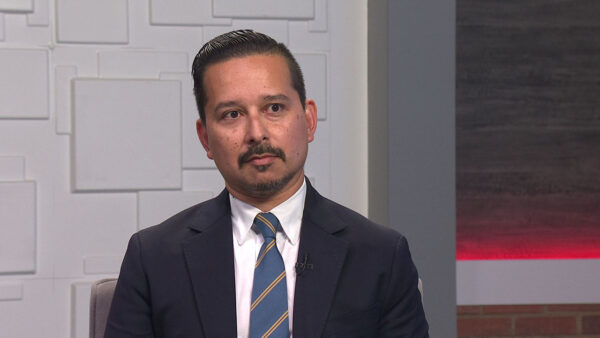
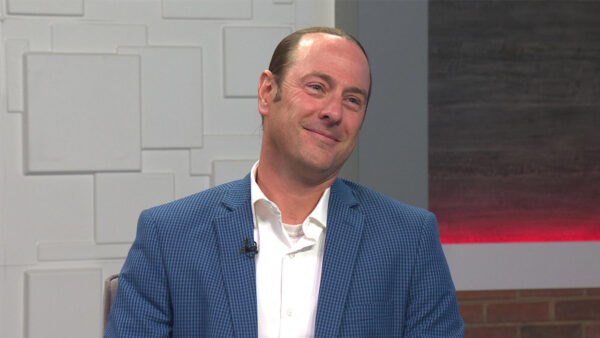
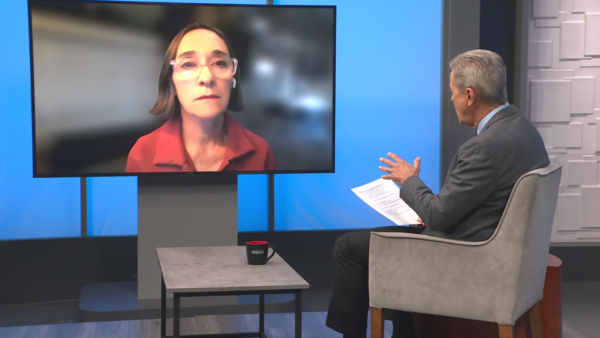
A new book, titled “The Behavioral Code,” looks at using behavioral science to find the root causes and hidden forces that drive good and bad behavior, and how best to use that information to create more effective laws. The book was co-written by Adam Fine, an assistant professor at ASU’s School of Criminology and Criminal Justice.
“We came from a place of trying to understand how law impacts behavior. We expect the law to keep society safe but all too often from street crime to corporate crime the law failed to deliver on that promise,” Fine said.
Fine continued that, “in our book we revealed root causes and the hidden forces that actually drive behavior.”
He explained that the book is packed with counter-intuitive examples of behavior from motorcycles to public urination to the Petrified Forest in Arizona to vandalism.
A local example, such as the Petrified Forest National Park in Arizona, “where there is these beautiful, radiant, 200-million-year-old pieces of fossilized wood that they were having a huge problem with theft. So, the park officials tried to do what any ordinary person would really try to do…by putting up signs saying ‘don’t do this’,” Fine said.
He continued that these signs stated that several of these fossils have been taken every year. This was meant to enforce people to leave the pieces or bring stolen pieces back to their rightful spot.
But this had an opposite effect. It increased the amount of wood that was actually stolen. They worked with social psychologists to attempt to reduce the theft of the wood by how they talk to the park-goers.
What they found was that reducing the number of people they said were stealing the wood, reduced the amount of people who wanted to steal.
If it was moved from 3 to 4 stealers down to 1 stealer, less people were likely to steal because they felt that not many were stealing and it was no longer a social norm.
In this segment:
Also in this episode:
SPOTLIGHT



STAY in touch
with azpbs.org!
Subscribe to Arizona PBS Newsletters:
Gifts presented by Arizona PBS



July 1
Agriculture to Urban Bill