Banner is offering two innovative endoscopic procedures
Sept. 17, 2025
For patients with bowel issues such as IBS, endoscopies can be uncomfortable and, depending on the findings, can lead to invasive surgery. Banner MD Anderson Cancer Center and Banner Gateway Medical Center are now performing two innovative endoscopic procedures that eliminate the need for patients to undergo more traditional, invasive surgery.
These procedures are called the gastrojejunal bypass, which Banner Health is just the 4th facility nationwide to utilize this technology, and the Endoscopic ultrasound-directed transgastric procedure. Essentially, they remove blockages from the bowel endoscopically with advanced technology – and without any open incisions – to treat these painful cases. This, in turn, gives the patients a quality of life not previously available to them when dealing with complex bowel surgery.
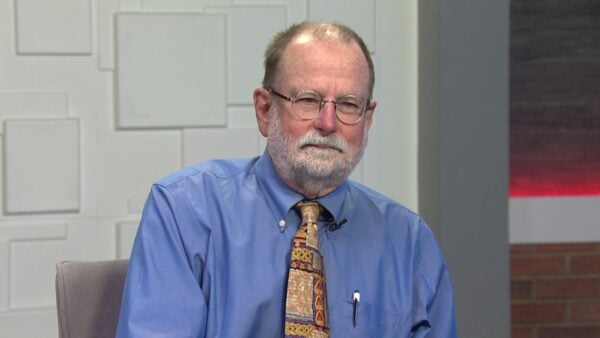
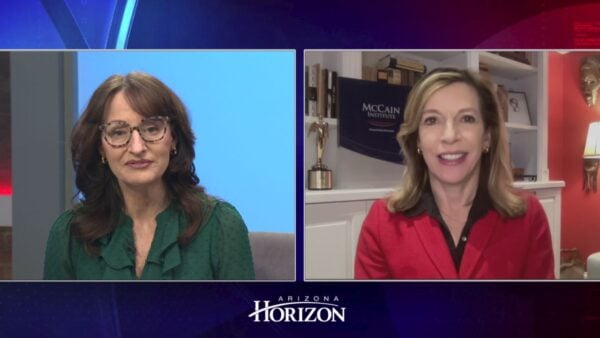
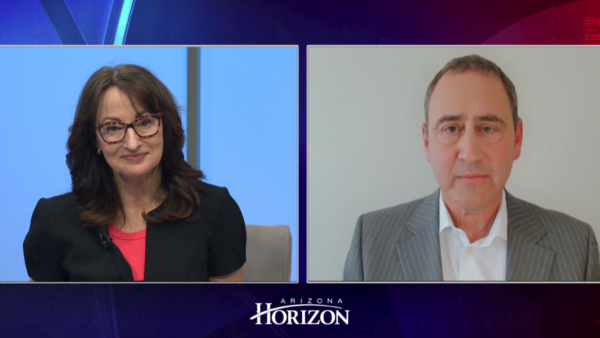
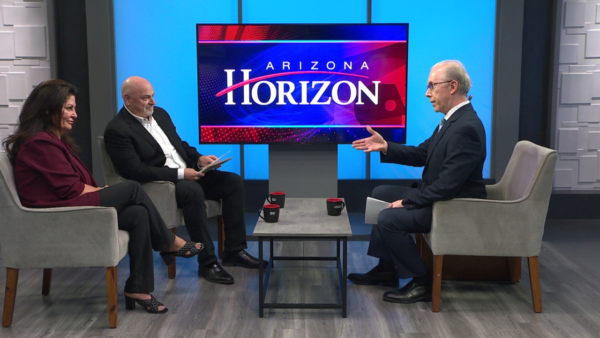
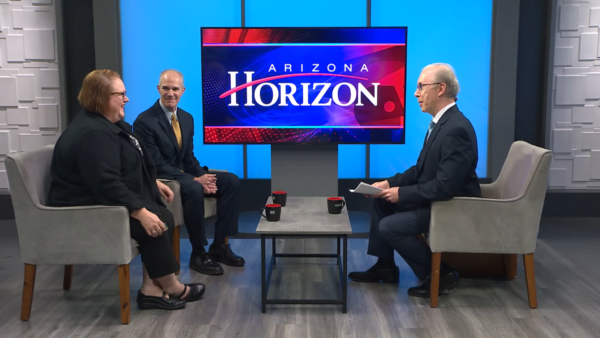
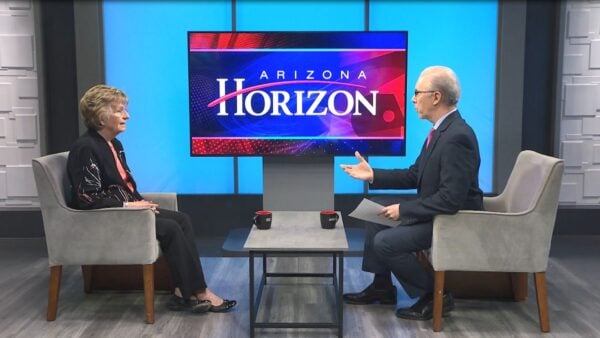
Dr. Neil Sharma, Chief of GI at Banner MD Anderson Cancer Center, joined “Arizona Horizon” to provide more details on these two new innovative endoscopic procedures.
“Endoscopy is a procedure where you are put to sleep, and we go with a camera…in case through your mouth, and that allows us to access internal organs,” Sharma said.
Sharma discussed how surgery, and medicine is rapidly evolving as technology continues to grow and develop over the years.
“…because the technology is advanced, it lets us do things in a fashion that’s less invasive, and has less consequences for recovery for the patient,” Sharma explained, “…we’ve now reiterated those scopes with new technology to do new procedures.”
One of the new procedures is called ‘Gastrojejunal bypass’ uses a scope that has an ultrasound to look through the stomach.
“We would do this on cancer patients who are obstructed, this means they have a blockage,” Sharma said, “…this allows us to bypass that area.”
The second procedure is an ultrasound transgastric procedure, which uses a particular scope that has ultrasound.
“This is for patients who have had a prior gastric bypass…in some scenarios we need to get back to those other areas that have been excluded,” Sharma explained, “…now we connect the two stomachs back together, and then from there we can go into that excluded area and find cancers or perform therapies.”
In this segment:
Also in this episode:
SPOTLIGHT




STAY in touch
with azpbs.org!
Subscribe to Arizona PBS Newsletters:
Gifts presented by Arizona PBS



Full Episode March 6
Democrats Fund Races; Free Little Library; Pompeii Exhibit
Full Episode March 4
Who controls Maricopa County elections; U.S. hockey win controversy; notMYkid milestone

Full Episode March 3
Conflicts escalate in the Middle East; school vaccine mandates; Pony Express