New ruling allows traffic laws to be created by citizens
Sept. 4, 2025
An Arizona Supreme Court ruling allows Arizonans to make or change traffic laws as long as the citizen initiative establishes a policy and provides a means for implementation.
This ruling comes after citizens in Page used a ballot to try to block the city from narrowing a four-lane road to only two. When the city rejected the ballot, and the lower courts sided with the city, the case was then brought to the Arizona Supreme Court.
While the Supreme Court ruled in favor of the people, it is unclear what this ruling means in practice. It is unknown whether or not citizens can make changes on speed limits, reverse lanes, speeding cameras and more.
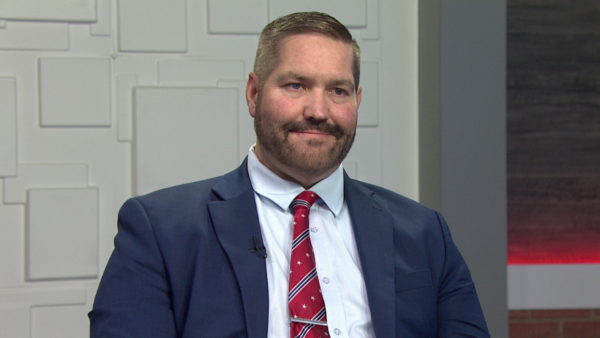
Emily Ward, an attorney with Fennemore, joined “Arizona Horizon” to explain what the new Arizona Supreme Court ruling will allow citizens to do.
Ward explained that the Supreme Court clarified when something is legislative, and gave the framework of what legislative means, citizens have the right to draft an initiative for the ballot.
“If the citizens wanted to propose firing the city manager, something like that, that’s administrative,” Ward said. “When we’re talking about the qualifications for a city manager… they can enact that, and that would be legislative.”
The reason a case like this has not come up previously, according to Ward, is because people have typically not known that traffic laws can be affected by citizens. People traditionally view traffic laws as administrative, and that’s where the Supreme Court came is to tell the people they have the right to make changes.
Now that people know they can propose to change laws, the next step is administration. To ensure proper and effective administration, citizens proposing laws need to be specific in their language.
“The initiative would have to make exactly clear how you’re going to effectuate that,” Ward said. “It’s not enough to just say, well we don’t like them.”
While citizens can propose initiatives changing everything from speed limits to traffic cameras, Ward did clarify that it is still a difficult process for an initiative to get on the ballot.
In this segment:
Also in this episode:
SPOTLIGHT




STAY in touch
with azpbs.org!
Subscribe to Arizona PBS Newsletters:
Gifts presented by Arizona PBS



Full Episode March 13
Maricopa County Recorder, supply chain & Iran War, Desert Botanical Garden’s new leader

Full Episode March 11
Arizona gas prices rise; fraud education for the elderly; newborns exposed to opioids