Removal of environmental safeguards could put Arizonans at risk
Sept. 4, 2025
In the past few weeks, Phoenix has seen multiple dust storms and monsoons. Beyond that, experts warn extreme heat, extreme weather and weakened environmental safeguards are putting Arizonans at risk when it comes to their health and livelihoods.
The Trump Administration’s actions have threatened to eliminate dozens of climate and public health safeguards, including carbon pollution standards for power plants and the EPA’s foundational Endangerment Finding, which supports all federal climate protections.
Last week, a group of health care workers and environmental leaders met to share stories of how these actions affect Arizonans and what can be done to stop it.
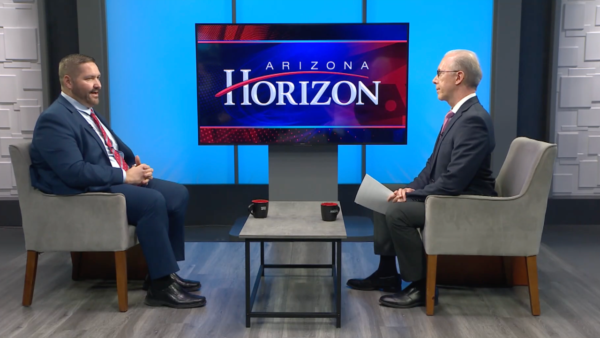
Sandy Bahr, Director of the Sierra Club, Grand Canyon Chapter, joined “Arizona Horizon” to discuss how the adverse weather is affecting the health of Arizonans and how the Trump Administration’s actions could affect it further.
The meeting encompassed environmental specialists from a range of communities across the entire state. Their mission is to adapt and prepare for the impacts that the new Trump environmental policies will have on Arizona’s residents.
“We need to do more with local government and state government,” Bahr said. “All the while still pushing back on the on the federal government against these repeals.”
Extreme heat was a particular concern during the environmental discussions. Bahr cited stories of workers becoming ill due to this extreme weather. The city of Tucson is particularly vulnerable due to its intense summers.
“They had stories of coworkers who died,” Bahr said. ” we need better worker protections in addition to addressing these issues related to climate.”
The impact of the rollbacks on environmental protections are already being felt through Arizona. The Four Corners power plant has also made changes to its retirement plans following these new policies.
“I think it has a lot to do with the fact that there are not those regulations, those protections that are going to be in place to push them to do it,” Bahr said. “These monopoly utilities need to be told that they have to do things or they’ll just say, oh, never mind.”
In this segment:
Also in this episode:
SPOTLIGHT




STAY in touch
with azpbs.org!
Subscribe to Arizona PBS Newsletters:
Gifts presented by Arizona PBS



Full Episode March 13
Maricopa County Recorder, supply chain & Iran War, Desert Botanical Garden’s new leader
Full Episode March 11
Arizona gas prices rise; fraud education for the elderly; newborns exposed to opioids