New research shows potential treatment for Lewy body dementia
Oct. 15, 2025
Lewy body dementia (LBD) is a type of dementia that gets worse over time. It is the second most common neurodegenerative disease after Alzheimer’s disease, but it can be hard to diagnose. It is a condition caused by abnormal protein deposits, called Lewy bodies, which damage areas of the brain and affect how it works. These changes impact movement, thinking, memory, mood, sleep, and more.
Banner Sun Health Research Institute is the first site globally to offer early access to a potential new treatment. We are enrolling those with dementia with Lewy bodies in an expanded access program, a pathway for patients to access investigational medicines when there are no other alternatives available. In this case, the investigational oral medication is Zervimesine, which showed promise in slowing the progression of dementia with Lewy body symptoms during a phase 2 clinical trial.
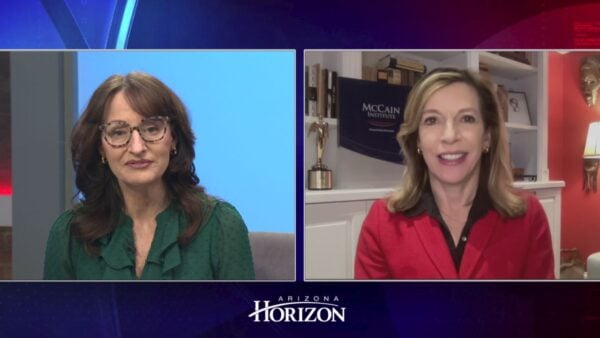
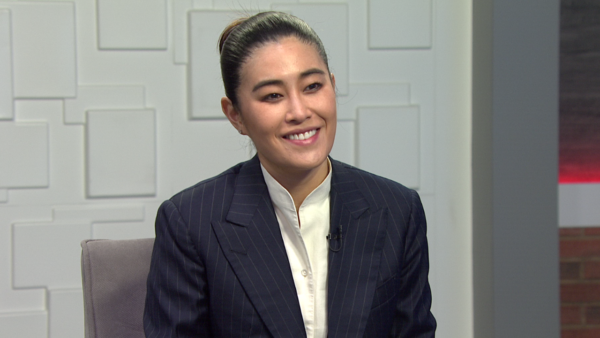
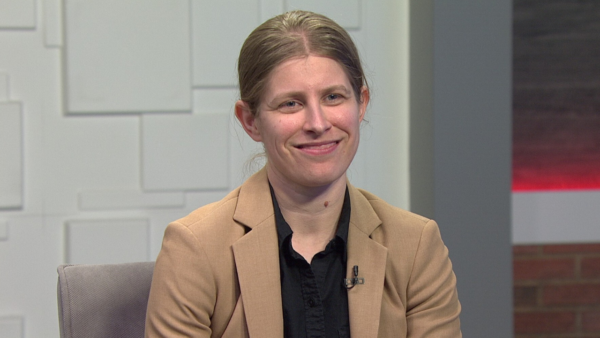
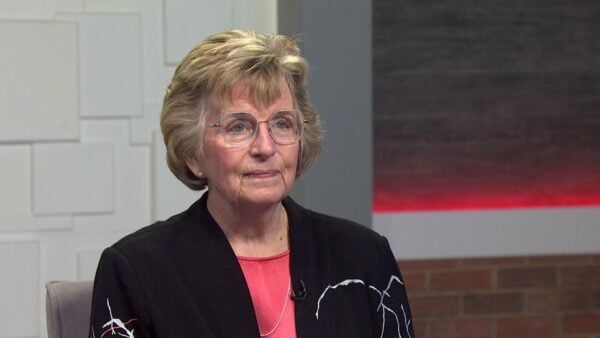
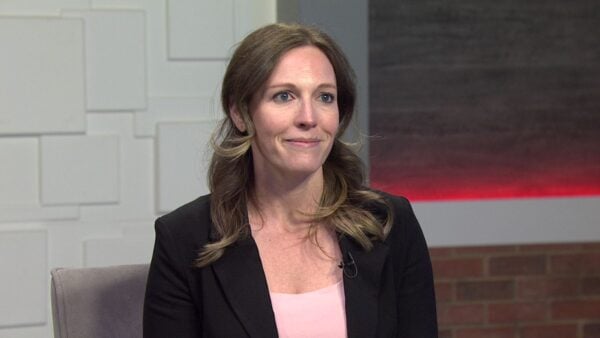
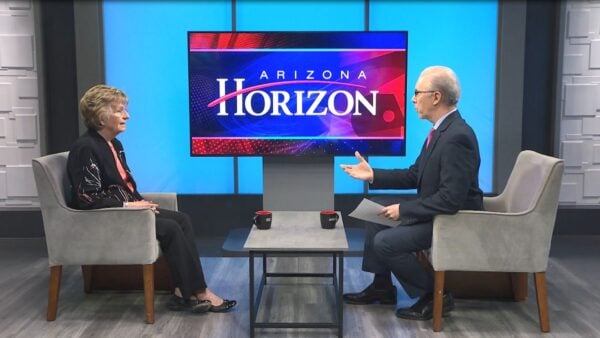
Dr. Parichita Choudhury, Cognitive and Behavioral Neurologist with Banner Sun Health Research Institute, joined “Arizona Horizon” to explain her research findings with Banner Sun Health.
“Lewy body dementia is the second most common progressive cause for dementia, after alzheimer’s disease,” Choudhury said, “…very common except underdiagnosed frequently, and that’s why we don’t hear a lot about it.”
There are two major components, including parkinsons disease dementia, and another entity called dementia with Lewy bodies. Lewy bodies are small inclusions, and clumps of a protein called alpha-synuclein. They are formed in cells and can only be seen under a microscope.
“There are certain genes that can predispose one to get dementia with Lewy bodies or Parkinson’s disease,” Choudhury said, “…but most of it is sporadic, and therefore driven by environmental.”
While the disease is most recognizable with Robin Williams, Choudhury explained how it is a disease that is difficult to diagnose. It has features that are similar to parkinsons’s and alzheimer’s disease.
“So I tell my patients it’s like they’re second cousins,” Choudhury said, “…sometimes they get misdiagnosed as one or the other.”
In this segment:
Also in this episode:
SPOTLIGHT




STAY in touch
with azpbs.org!
Subscribe to Arizona PBS Newsletters:
Gifts presented by Arizona PBS



Full Episode March 6
Democrats Fund Races; Free Little Library; Pompeii Exhibit
Full Episode March 4
Who controls Maricopa County elections; U.S. hockey win controversy; notMYkid milestone

Full Episode March 3
Conflicts escalate in the Middle East; school vaccine mandates; Pony Express