New initiative working to improve children literacy rates across AZ
Oct. 22, 2025
More from this showRead on Arizona has announced Arizona Literacy Plan 2030, a detailed plan that details the exact steps needed to take to improve literacy in Arizona students by 2030. Literacy impacts every aspect of academic achievement.
Research shows that students who don’t learn to read well by the end of third grade are likely to fall behind in all subject areas and much more likely to drop out. But less than half of Arizona’s third graders passed the state’s most recent English Language Arts assessment, which encompasses reading, language, and writing.
Arizona Literacy Plan 2030 outlines the proven strategies and actions required to improve literacy outcomes for Arizona students. Read On Arizona gathered input and commitments from state and local partners to align efforts and collaborate over the next five years toward the goal of 72% of third graders at reading proficiency.
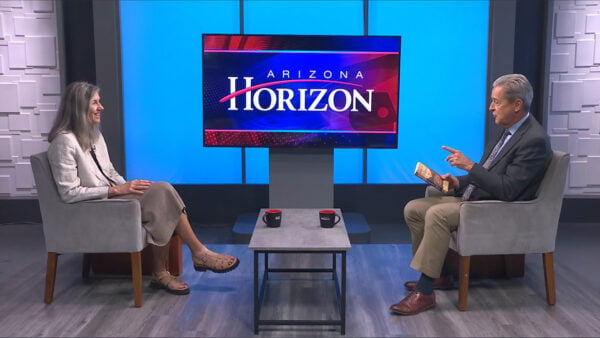
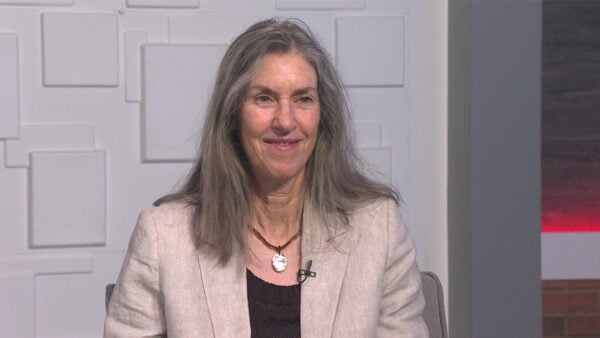
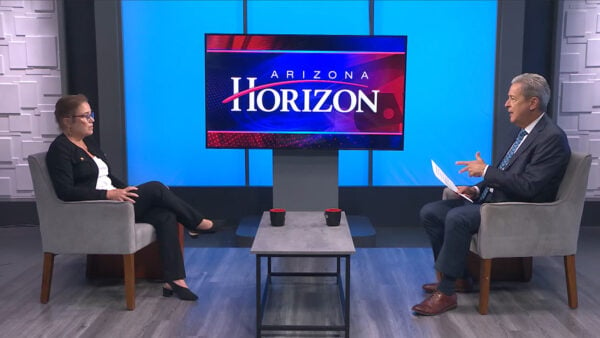
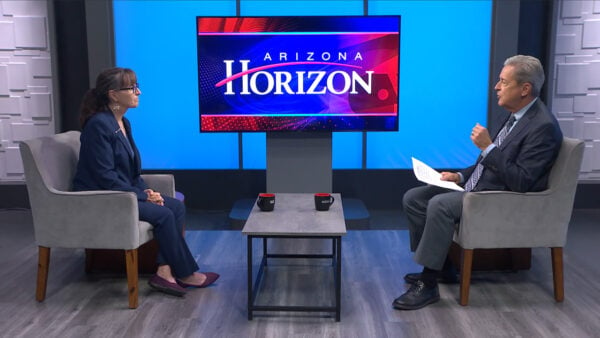
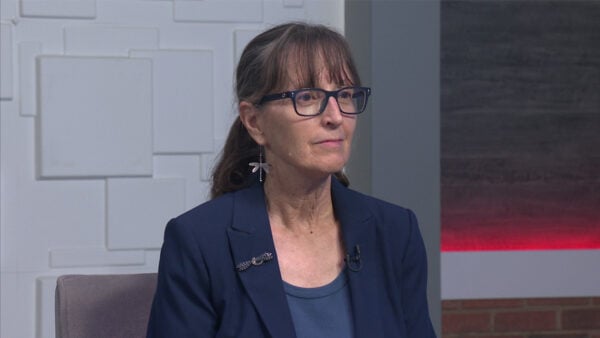
Arizona Literacy Director, Terri Clark joined “Arizona Horizon” to talk about what this plan entails.
“We want to do more of what has been proven to work and improve literacy outcomes by the end of third grade,” Clark said,
The plan focuses on four key drivers: building educator capacity through research-based training, increasing access to high-quality learning materials, expanding early learning opportunities, and ensuring strong, consistent implementation across districts.
Clark says many states, like Mississippi, Tennessee, and Alabama, have seen significant reading gains using similar strategies, and Arizona aims to follow that model with more comprehensive statewide coordination.
As the state moves forward, local programs are already offering targeted support. A 10-week program, Read Better Be Better, is working with students and families in nearly a dozen school districts, paring older students with younger learners to read together and build skills through peer connection.
CEO Sophie Allen founded the nonprofit after teaching in communities facing extreme poverty and found similar literacy challenges in Arizona.
“With so much resource, how is it possible that we still had fifth graders unable to read?” she said.
Families say the peer-to-peer approach makes a real difference. Natasha, a parent whose son participated, said reading with an older student boosted his confidence in a way adults sometimes cannot.
Her son now reads to younger students and says that supportive environment helps children “improve naturally.”