New report shows economic payoff from investing in Arizona’s future
Oct. 21, 2025
A new report commissioned by Center for the Future of Arizona (CFA) highlights how investing in voter-backed priorities, like education, childcare, housing and transportation, can generate significant economic returns for the state.
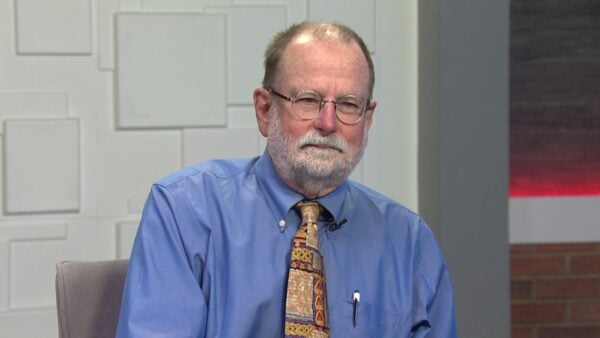
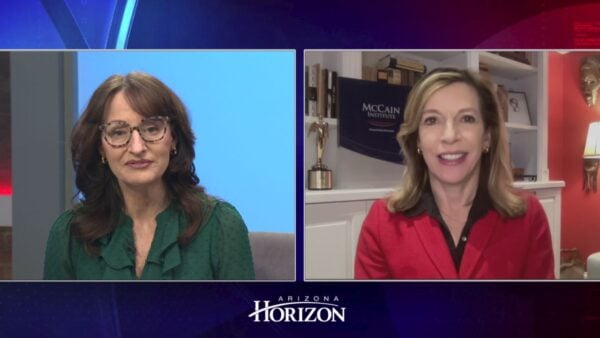
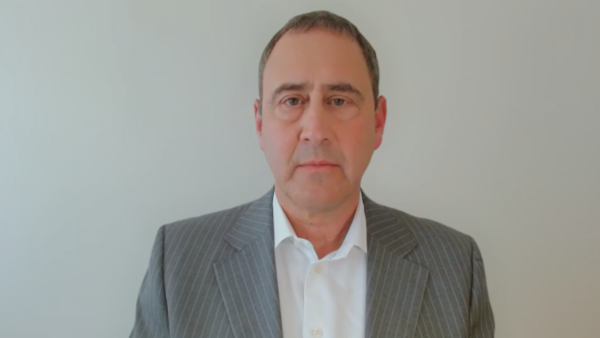
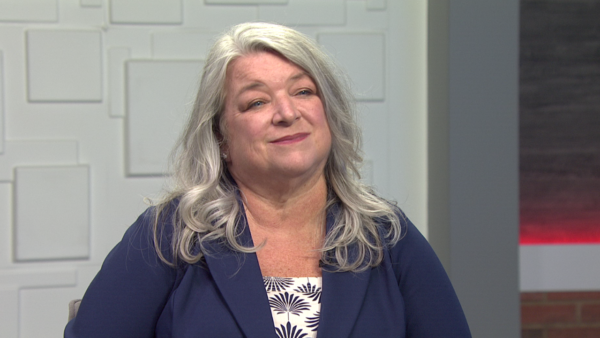
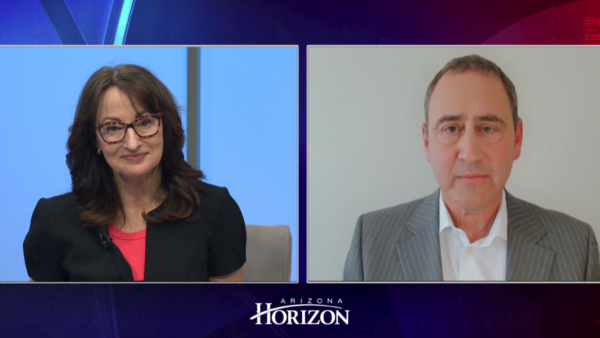
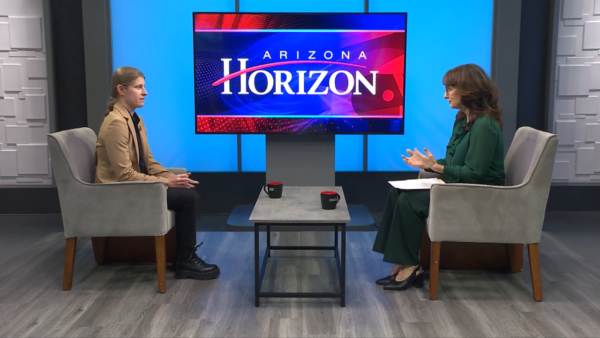
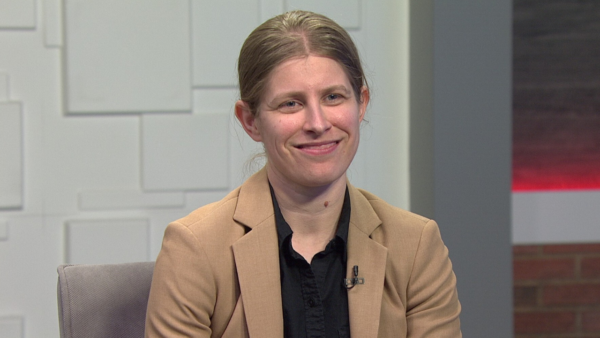
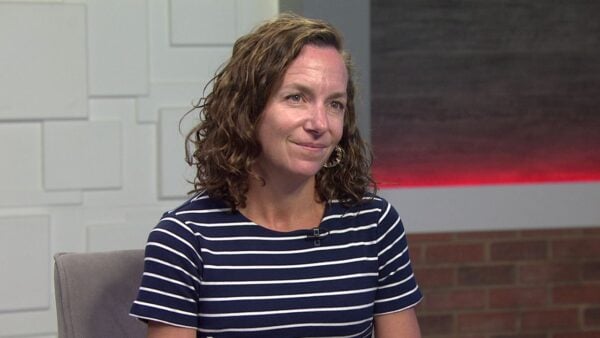
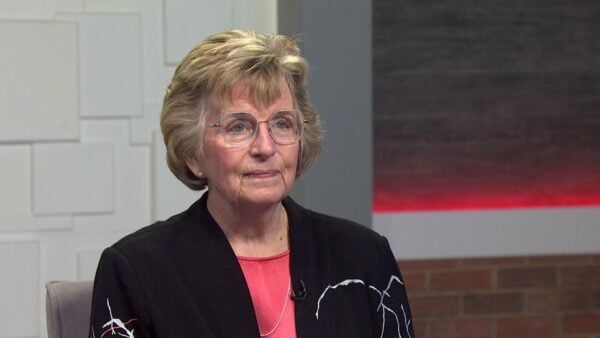
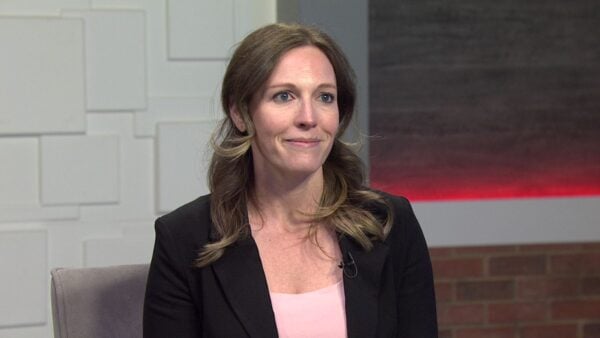
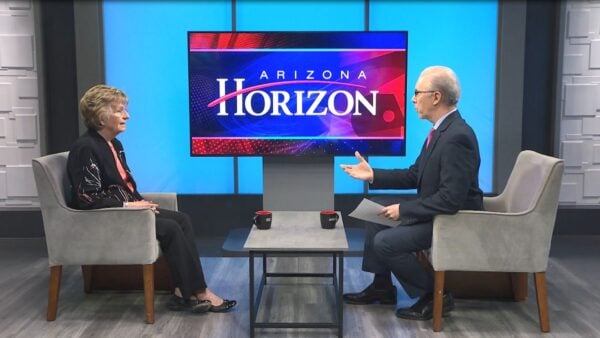
Dr. Sybil Francis, President and CEO of Center for the Future of Arizona, and economist Jim Rounds, President and CEO of Rounds Consulting Group, joined “Arizona Horizon” to break down the findings and what they mean for Arizona’s future growth.
According to Francis, CFA wanted to understand what would happen if Arizona achieved the outcomes that people want to see. Through this they analyzed what the economic gains and losses there would be if these issues were tackled.
“With housing, if we got everybody down to just 30% of their income spent on housing we’d have 125,000 extra jobs created, we’d have about $600 million in extra tax revenue, and an extra $8,400 a year per household,” Rounds said.
This shows just one example of what happens, mathematically, when the outcomes of what voters want to see are realized; however, the benefits are not only in the numbers, they would also be in overall community well-being.
Of the voter-backed priorities, transportation is one of the most fundamental aspects of a society that need to thrive in order for the community as a whole to do well. The return on investment (ROI), for every $1 invested into transportation is up to a $3.70 return.
“We’re trying to figure out, how can we make the rest of the economy more efficient, and the ROI on some of these projects are higher than the dozens of economic development programs that we’ve worked on,” Rounds said.
All of the priorities the CFA took a report on are real issues that Arizonans, regardless of political affiliation, have said are important to them.
“They’re not asking for the moon, they’re asking for things that will actually make their lives work better,” Francis said. “It also happens to be that making their lives work better will help the state’s economy work better.”
In this segment:
Also in this episode:
SPOTLIGHT




STAY in touch
with azpbs.org!
Subscribe to Arizona PBS Newsletters:
Gifts presented by Arizona PBS

Full Episode March 6
Democrats Fund Races; Free Little Library; Pompeii Exhibit
Full Episode March 4
Who controls Maricopa County elections; U.S. hockey win controversy; notMYkid milestone

Full Episode March 3
Conflicts escalate in the Middle East; school vaccine mandates; Pony Express