President Trump demands $230 million from DOJ
Oct. 23, 2025
President Trump is demanding that the Department of Justice pays $230 million in compensation for the federal investigations into him.
This situation is a first of its kind as Trump was pursued by federal law enforcement while being a presidential candidate, and won the election. Meaning, he now controls the very government that should be reviewing his claims.
Trump submitted complaints through an administrative claim process, that comes before a lawsuit, as early as 2023. His first claim seeks damages for a number of alleged violations to his rights, including an investigation into possible Russian election connection to the 2016 Trump campaign.
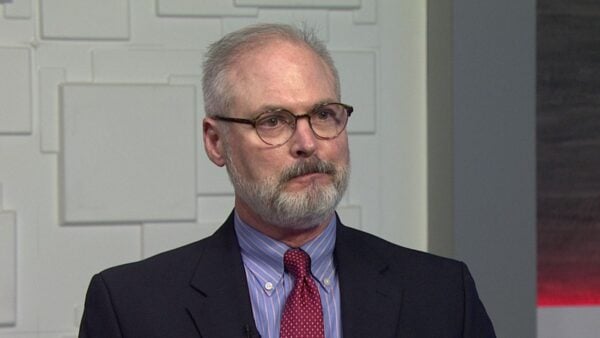
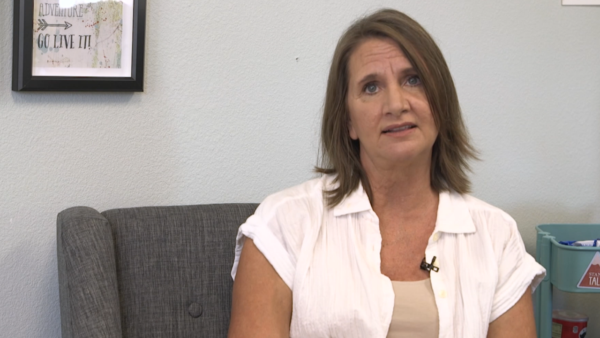
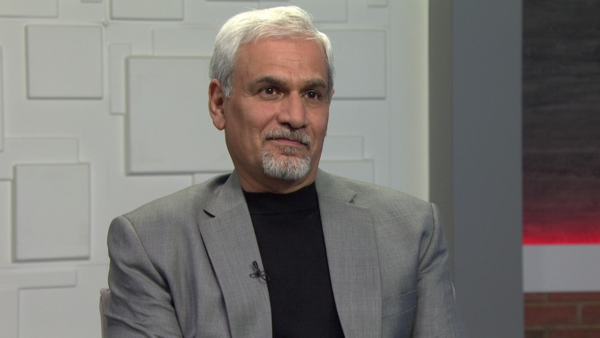
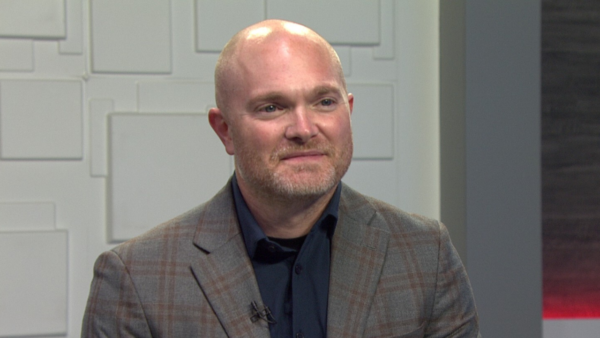
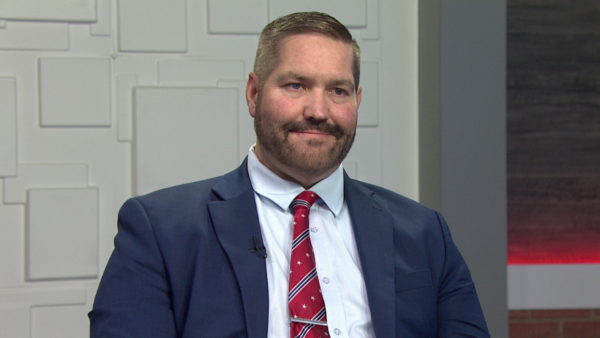
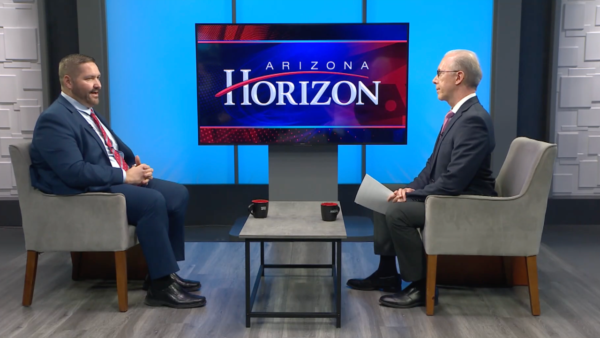
Partner of Montoya, Lucero, and Pastor, Stephen Montoya joined “Arizona Horizon” to expand on the legality and ethical conflicts of the demand.
Montoya explained that Trump is attempting to use the Federal Tort Claims Act, a 1946 law allowing citizens to sue the federal government for certain violations. But he emphasized that Trump’s claims have no merit.
“I’ve been suing the government for over 30 years,” he said. “Trump’s claims are bogus.”
One claim involves federal investigations into Russian election interference. Montoya noted Trump “was not indicted” and that “it’s not against the law for the FBA to investigate a crime.”
Another claim involves the search warrant executed at Mar-a-Lago for classified documents.
Montoya said the search was “based upon a lawful warrant issued by a federal judge.” Overcoming that would require proving agents “flat out lied to the federal judge,” which he explained is impossible because “a grand jury ultimately indicted Trump,” and grand action “also immunized the prosecutors involved.”
Montoya also pointed to what he called a dangerous ethical breach: “Todd Blanch, the Deputy Attorney General, still has a private attorney-client relationship with President Trump.”
Montoya said the situation could lead “to disaster, to ridicule of the United States throughout the world.” And because taxpayers lack standing to sue, the payments might never be reviewed by a court.
If the case reaches the Supreme Court, Montoya said he hopes the justices would reject it, calling Trump’s filing “a frivolous case, a bad joke of a case.”
In this segment:
Also in this episode:
SPOTLIGHT




STAY in touch
with azpbs.org!
Subscribe to Arizona PBS Newsletters:
March 13
Journalists’ Roundtable: Arizona Senate releases 2020 election recount records to FBI and more
Full Episode March 12
Maricopa County elections, global supply chain, Desert Botanical Garden’s new CEO
Full Episode March 11
Arizona gas prices rise; fraud education for the elderly; newborns exposed to opioids