New child crisis center in Arizona opens for low-income families
Nov. 12, 2025
The doors are now open on Child Crisis Arizona’s Center for Child & Family Wellness. The 2.4-acre, state-of-the-art, net-zero campus centralizing Child Crisis Arizona operations and is home to a comprehensive range of services for low-income children and families. This includes foster care and adoption services, family education, children’s counseling, and health and wellness programs.
Additionally, the center offers basic needs support, a centralized kitchen and food distribution, administration and philanthropy, foster teen programs, art, dance, and music therapy, and volunteer and staff training. It will serve as a hub for the agency’s health and education services, ensuring a holistic approach to child and family support.
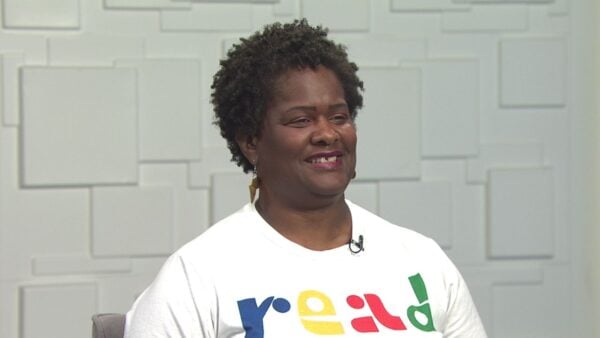
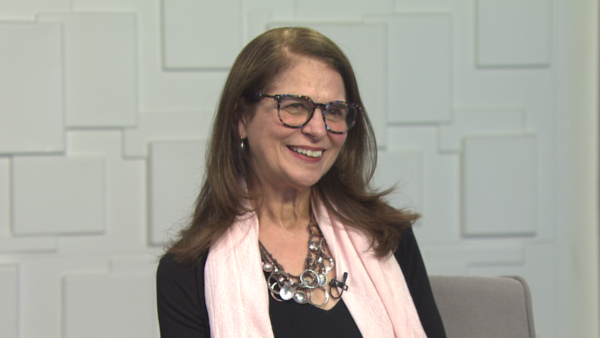
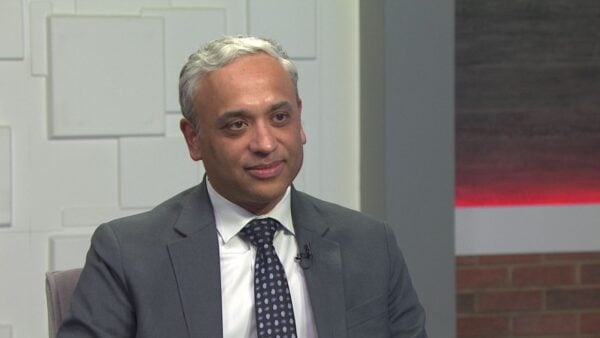
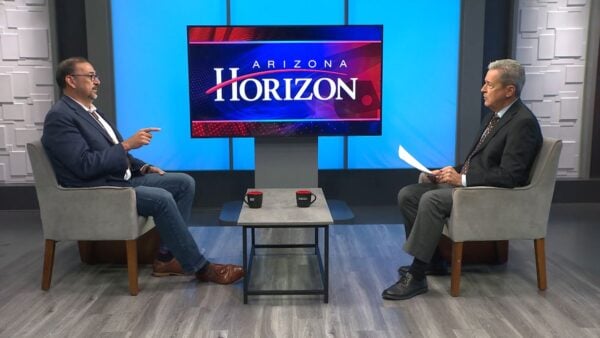
Torrie A. Taj, CEO, Child Crisis Arizona, joined “Arizona Horizon” to discuss more on this child crisis center and how it will help aid low-income families in the state.
The Mesa campus hosts more than two dozen nonprofit partners offering everything from art and music programs to mindfulness, ballet, and technology training.
“We have a lot of different nonprofits who have joined us… we grew intentionally and needed more space,” Taj explained. The goal, she said, is collaboration—not competition. “We’re inviting other nonprofits into our new center so they can do services alongside us.”
The new facility also includes a centralized kitchen and food-distribution hub, multiple community classrooms, counseling spaces, a tech lab supported by Devin Booker’s Starting Five, and program areas for foster teens. Ballet Arizona works on-site to provide dance classes, and community members can enroll directly.
One of the campus’s most significant features is its emphasis on sustainability.
“We want to produce more energy than we utilize,” Taj said, noting that the campus is fully net-zero, with solar power, water-capture systems, intentional lighting design, and even a carbon-neutral kitchen. Blending indoor and outdoor spaces, she added, was “very intentional” to create a calming and restorative environment for families.
Serving families primarily in East Mesa and surrounding communities, the center is designed to reach households facing financial hardship.
“We’re serving in the neighborhood that needs us,” Taj said.
With over 25 partner organizations already providing services, Taj said the campus represents a major leap forward in supporting Arizona children and families. “It’s a benefit to the community—and the community has won,” she said.
More information is available at childcrisisaz.org.
In this segment:
Also in this episode:
SPOTLIGHT





STAY in touch
with azpbs.org!
Subscribe to Arizona PBS Newsletters:
Full Episode Feb. 13
Arizona election turnover; preventing romance scams; ‘NOVA’ programming


Feb. 11
LATE dementia on the rise

Feb. 11
Arizona Teacher of the Year 2026