Arizona leaders call for stalemate in Colorado River negotiations
Nov. 17, 2025
The seven states, including Arizona, that rely on the Colorado River for drinking water missed a deadline to agree on reduced shares as the river’s flow continues to decline dramatically. But the states and the U.S. Bureau of Reclamation, which manages the river and its reservoirs, said that negotiations would continue.
Meanwhile, last Tuesday, Governor Katie Hobbs and Arizona legislative leaders from both parties asked the U.S. Interior Department to step in and ensure any agreement to curb overuse of Colorado River water requires the river’s Upper Basin states to limit their use.
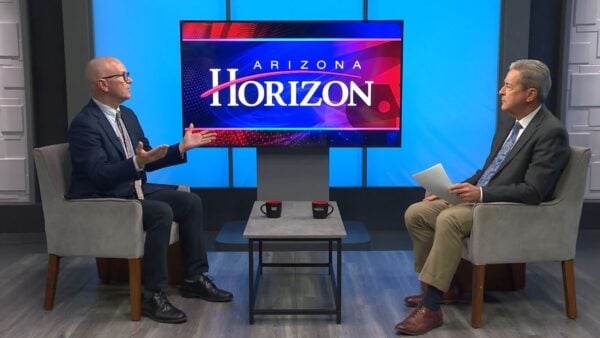
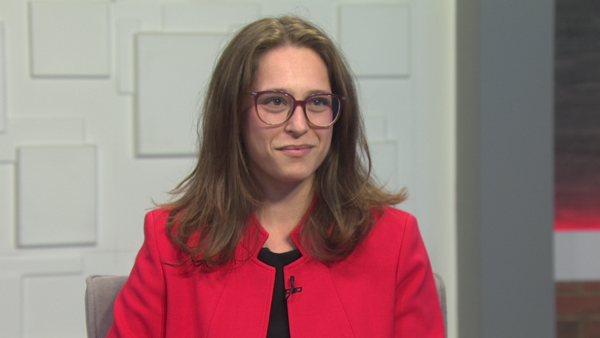
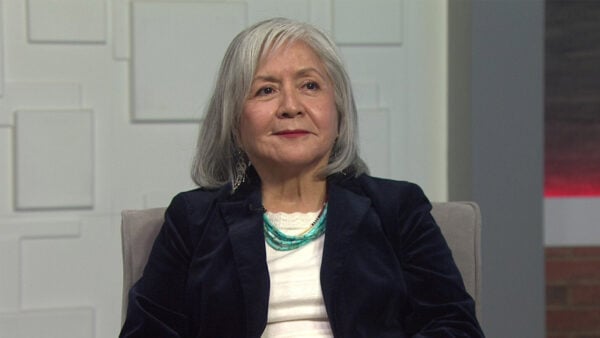
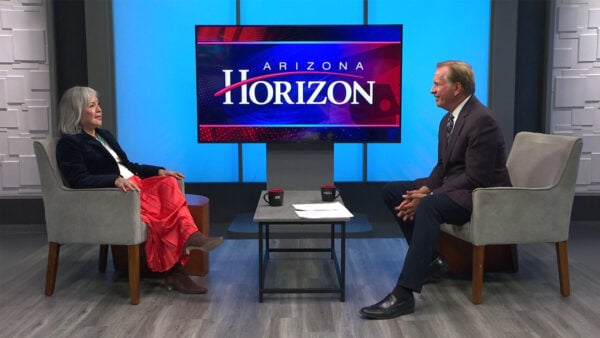
Sarah Porter, Director of the Kyl Center for Water Policy at Arizona State University, joined “Arizona Horizon” to discuss more on this call to action from Arizona leaders regarding the Colorado River.
Porter explained that the November 11 deadline, set by the Department of the Interior, was intended as a major step toward a new framework for sharing the river amid what she described as “this time of unprecedented shortage of water in the system.”
States were expected to outline how they would share shortages after the current guidelines expire next year, but reaching consensus proved impossible.
“There’s a big impasse between the Upper Basin states… and the Lower Basin states,” Porter said.
The core disagreement: the Upper Basin states of Colorado, New Mexico, Utah, and Wyoming refuse to cut their usage, arguing they have never fully used their legal apportionment.
Porter explained that the Lower Basin states, like Arizona, California, and Nevada, have already offered significant reductions, including “a huge cut of 1.5 million acre-feet.”
Arizona’s unified request for federal intervention signals rising urgency. Porter noted that while all states prefer negotiated agreements, “since it appears that a deal cannot be reached, Arizona has laid out its case to the federal government” on why a stronger federal role may now be required.
Despite the stalemate, Porter said negotiations are ongoing. She emphasized that the real deadline is October 1 of next year, when current operating guidelines expire.
“There’s a big annual conference in late December… maybe there will be a breakthrough by then,” she said.
If states remain at odds, Porter expects the federal government to outline potential unilateral actions in the next environmental assessment.
Ultimately, whether Washington intervenes or the states find compromise, Porter stressed that the stakes are high for Arizona cities, agriculture, and even the semiconductor industry.
“There are all kinds of arguments that Arizona can make,” she said, adding that the state’s track record on conservation could strengthen its position.
In this segment:
Also in this episode:
SPOTLIGHT





STAY in touch
with azpbs.org!
Subscribe to Arizona PBS Newsletters:
Full Episode Feb. 24
AG Kris Mayes responds to GOP; Pediatric heart care at Phoenix Children’s
Full Episode Feb. 23
Trump’s global tariffs; ICE detention facility in Surprise; Arizona’s non-lawyer-owned firms
Full Episode Feb. 19
Low mortgage rates; Connecting seniors with technology; Arizona’s new Poet Laureate