Local doctor is first to utilize new heart valve procedure
Nov. 12, 2025
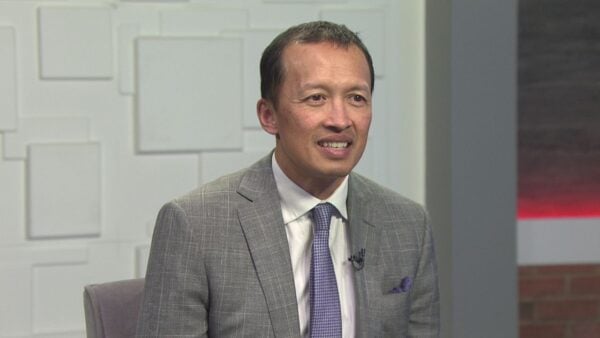
A life-changing treatment is coming for thousands of heart patients across the country. Dr. Paul Sorajja, an interventional cardiologist at Banner University Medical Center Phoenix, helped pioneer work that led to the FDA approval for an Abbott device that can replace damaged heart vales in patients who were previously considered too sick for surgery.
It’s a gamechanger for thousands of heart patients who were previously told nothing could be done for their condition.
Dr. Sorajja is the first doctor in the world to use a specialized mitral device, Tendyne, to treat a patient with severe mitral annular calcification (MAC), a condition where dangerous calcium buildup around the heart valve makes traditional surgery life-threatening.
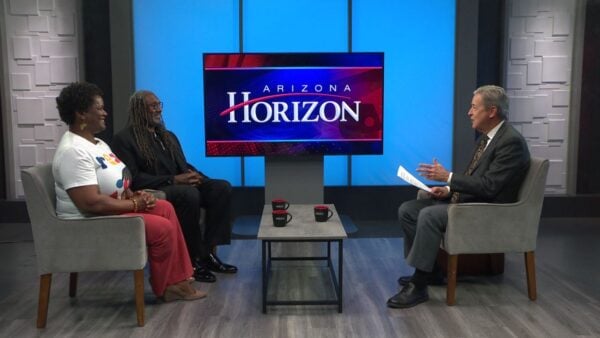
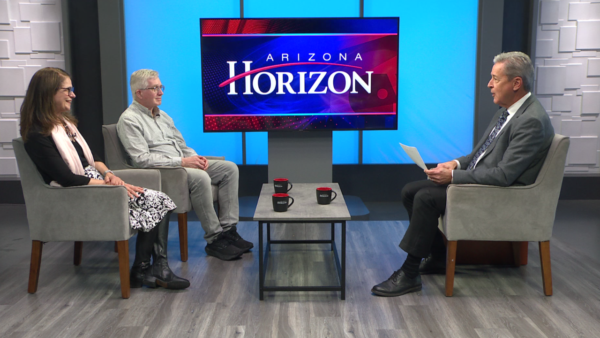
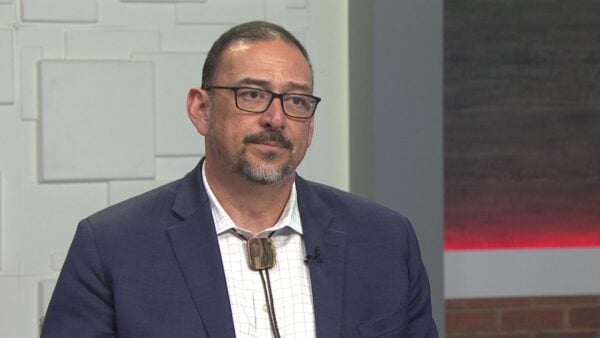
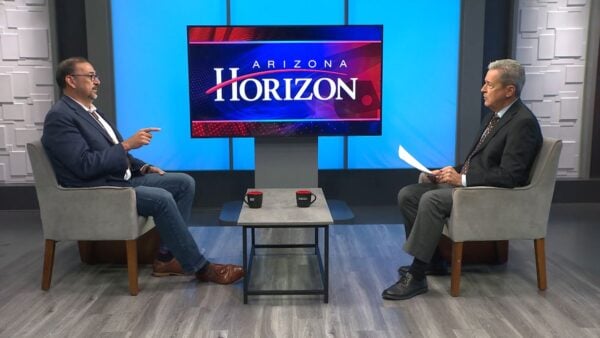
Dr. Sorajja joined “Arizona Horizon” to talk more about the new procedure.
“The heart valves are lifesaving pieces of our heart that keep blood moving in the correct direction,” Sorajja said.
As people age, those valves can narrow or fail to close properly, which “can be life-threatening.”
One of the most challenging conditions is mitral annular calcification (MAC), where heavy calcium builds up around the mitral valve.
“The calcification becomes so severe that when the surgeon tries a traditional approach… it can tear and lead to a patient’s demise,” Sorajja explained. Many of these patients, typically around age 80, have historically been considered too sick for open-heart surgery.
The newly FDA-approved Tendyne device offers an alternative.
“It’s one of the first catheter technologies,” Sorajja said. Surgeons make a small incision “about the size of a thumb” between the ribs on the left side of the chest, guide the valve into the heart, and deploy it without ever stopping the heart or putting the patient on a heart-lung machine.
The diseased valve remains in place, but the new valve sits inside it “almost like a Russian doll. One goes inside the other,” he said. Because surgeons don’t have to cut into the calcified ring, the risk of tearing is dramatically reduced.
Sorajja said the procedure typically takes about an hour, with patients staying in the hospital five to six days. Safety and quality-of-life results from clinical studies have been striking. “Almost all of the patients did perfectly well,” he noted, adding that about nine in ten experienced significant improvement in symptoms.
The device received FDA approval this summer and will initially be offered at roughly 60–65 specialized centers nationwide, including Banner in Arizona. For elderly patients with severe MAC and no prior options, Sorajja called it “an option for patients who don’t have options.”
In this segment:
Also in this episode:
SPOTLIGHT





STAY in touch
with azpbs.org!
Subscribe to Arizona PBS Newsletters:
Full Episode Feb. 13
Arizona election turnover; preventing romance scams; ‘NOVA’ programming
Feb. 11
LATE dementia on the rise
Feb. 11
Arizona Teacher of the Year 2026