U.S. Supreme Court to review high-profile constitutional cases
Dec. 10, 2025
The U.S. Supreme Court is looking at several high-profile cases in December 2025. The Justices have agreed to decide if President Donald Trump’s attempt to end birthright citizenship with an executive order is constitutional.
Additionally, the U.S. Supreme Court has cleared the way for Texas to use a new congressional map that could help the Republican effort to shore up their majority in the upcoming 2026 midterm elections.
The unsigned decision on December 4, 2025, came after Texas filed an emergency request in November to block a lower-court ruling that blocked the new map. It was then passed by the Texas State Legislature and signed into law by Republican Governor Greg Abbott in August.
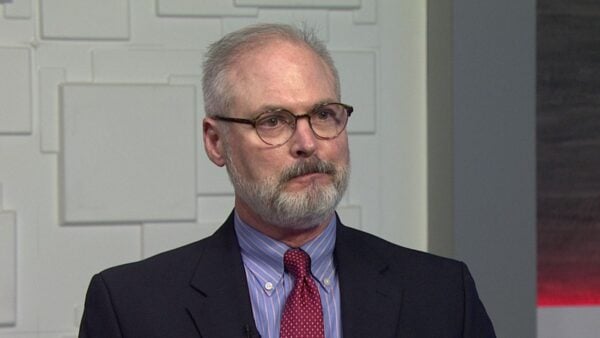
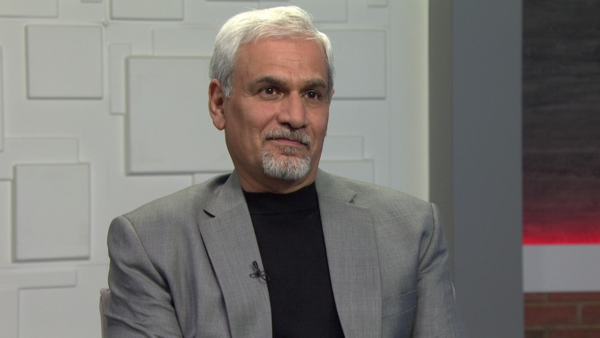
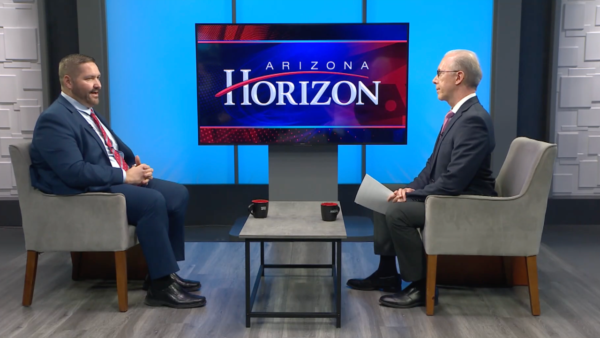
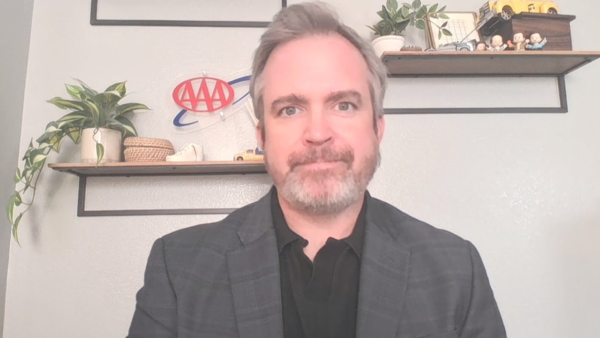
Stephen Montoya, a Partner at Montoya, Lucero, and Pastor, joined “Arizona Horizon” to discuss the upcoming cases and potential outcomes.
“In the United States, if you’re born in the United States,” Montoya said, “…it doesn’t matter where your ancestors, including your parents, were born…you are a citizen.”
Montoya emphasized that these cases will not reach constitutional questions if they can resolve the case based on statutes.
“I do think the reason why they took the case is because it’s an easy case and they’ve ruled so many times in favor of Trump, they’ve taken this one to rule against him,” Montoya explained, “…many conservatives have come out against the executive order, and in favor of birthright citizenship.”
Montoya explained how promoting “rocket docket,” the process of handling cases at an extremely fast pace, at the Supreme Court level, is very discouraging to those at the lower levels.
“It’s really disheartening to the lower court judges who spend days and weeks and months…trying resolve these cases,” Montoya said, “…to be reserved by the Supreme Court in a weekend.”
In this segment:
Also in this episode:
SPOTLIGHT




STAY in touch
with azpbs.org!
Subscribe to Arizona PBS Newsletters:
March 13
Journalists’ Roundtable: Arizona Senate releases 2020 election recount records to FBI and more
Full Episode March 12
Maricopa County elections, global supply chain, Desert Botanical Garden’s new CEO
Full Episode March 11
Arizona gas prices rise; fraud education for the elderly; newborns exposed to opioids