U.S. Bureau of Reclamation weighs Colorado River drought plans
Jan. 20
The U.S. Bureau of Reclamation is a sub-agency of the Department of the Interior overseeing the water supply for tens of millions of people in the West. The agency recently released a list of options for how it might manage a potential drought-stricken Colorado River in the future.
The proposals vary from taking “no action” to a scenario that might result in water cuts to the lower basin states of Arizona, California and Nevada. In partnership with conservation groups, an alternative would incentivize states and water users to proactively conserve the river.
While the Department of the Interior has outlined the scenarios in detail, they have not identified a preferred option. The plans will only be implemented if all seven states that depend on the water fail to agree on their own conservation plan soon.
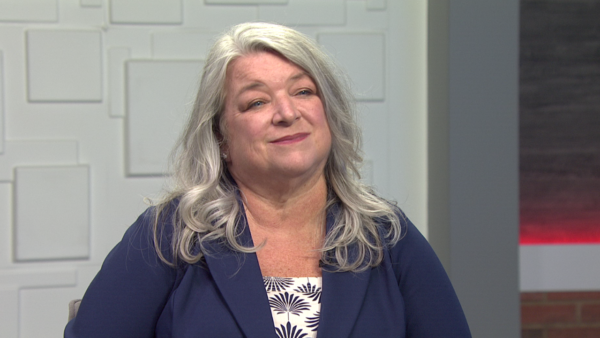
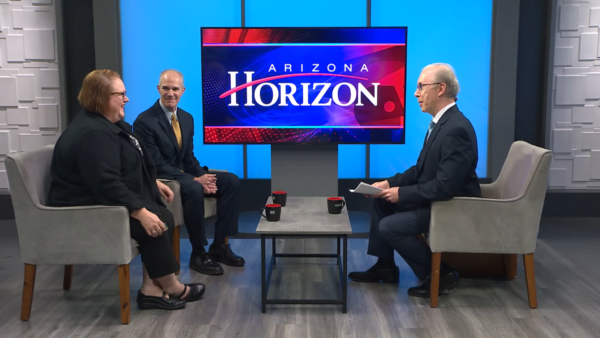
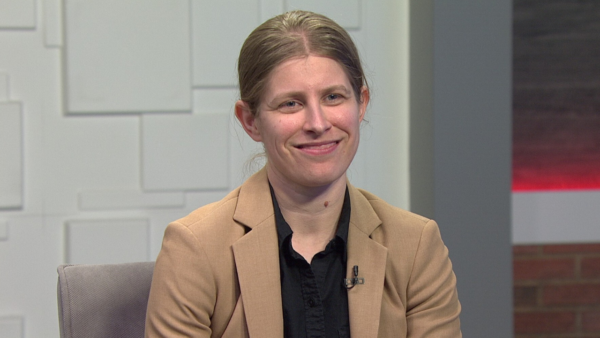
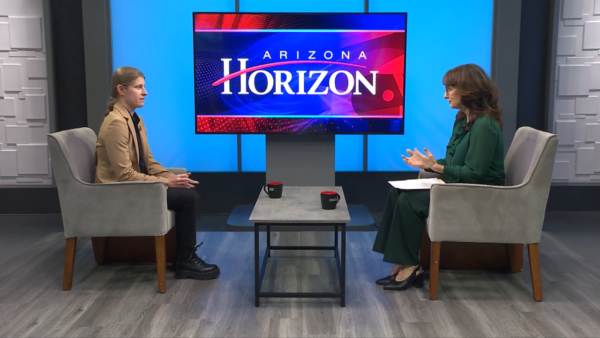
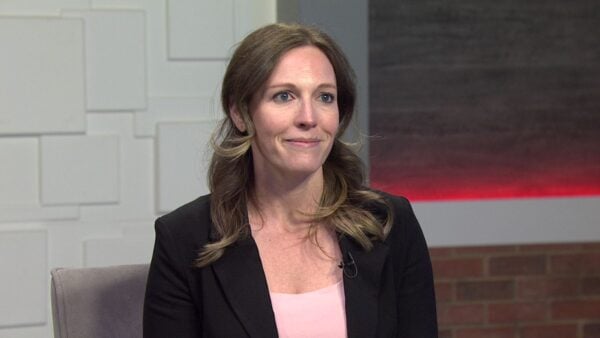
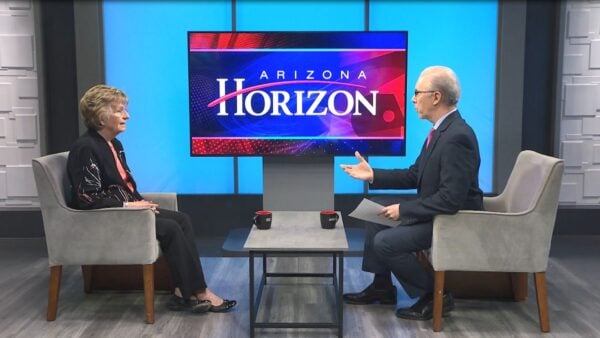
Sarah Porter, Director of the Kyl Center for Water Policy, joined “Arizona Horizon” to discuss the options proposed by the U.S. Bureau of Reclamation.
“What we’re talking about is the rules for operating the Colorado River system,” Porter said. “Any change in how that system is operating requires review under NEPA (National Environmental Policy Act). What the feds released was a very thorough analysis of how a series of different options would work.”
The federal government had sent out a list of five different proposals to help manage this complex system. According to Porter, the Bureau of Reclamation hopes components of the different proposals could be put together to form an agreement to keep the NEPA process going.
“To some extent it’s about getting to sort of turn the heat up a little bit,” Porter said, to get “the negotiators to say, ‘Look, this is how these different options would work out, so maybe you should compromise on this, negotiate on that, and get it done.'”
The obstacle they face is related to the upper basin’s refusal to share in cuts, as they believe it should all fall on the lower basin. The lower basin includes California, Arizona and Nevada, while the upper basin is Colorado, Utah, New Mexico and Wyoming.
“They’re saying, because our use is so low,” Porter said, “we shouldn’t have to take cuts, and they’re sort of saying that falls to you, lower basin states.”
In this segment:
Also in this episode:
SPOTLIGHT




STAY in touch
with azpbs.org!
Subscribe to Arizona PBS Newsletters:
Gifts presented by Arizona PBS


Full Episode March 5
Democrats fund races; Free Little Library; Pompeii exhibit
Full Episode March 4
Who controls Maricopa County elections; U.S. hockey win controversy; notMYkid milestone