A recent survey conducted at the Sandra Day O’Connor Institute showed 58% of high school graduates said they had held back in class from sharing civic or political opinions because they were worried about how others would react. Within those students, 91% cited classmates as a concern and just 41% cited a teacher.
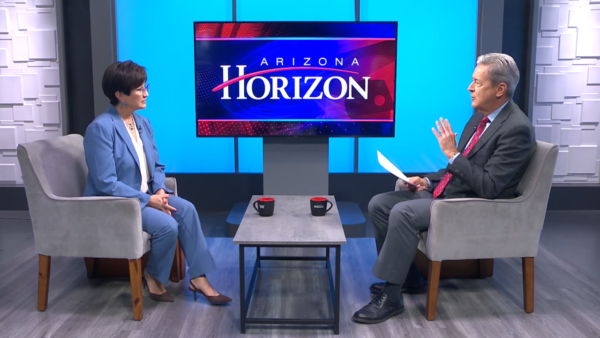
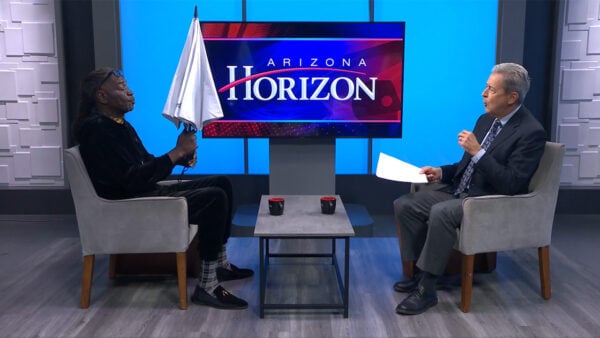
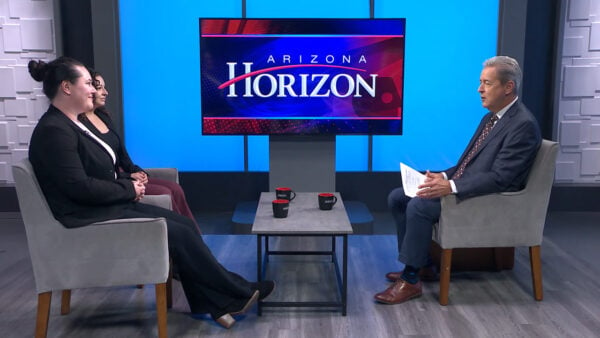
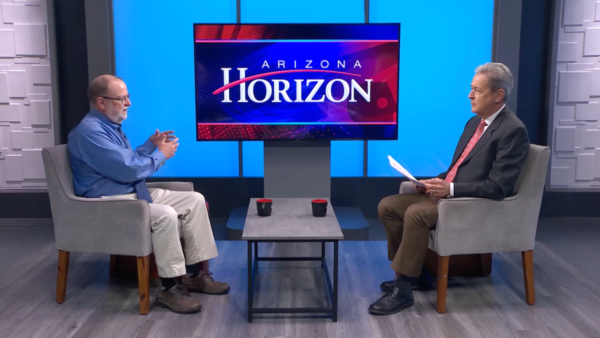
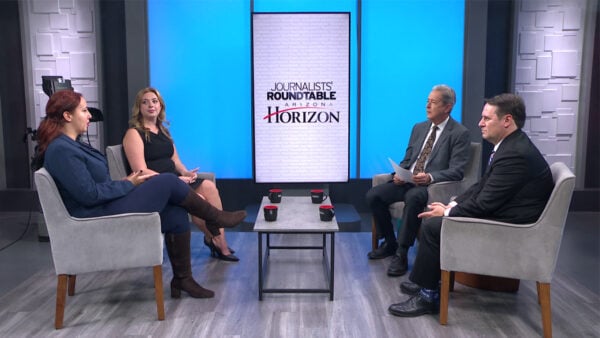
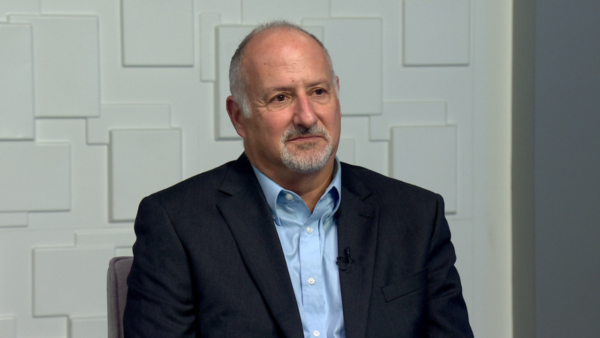
Liam Julian, Chief of Programs and Public Policy at the Sandra Day O’Connor Institute, joined “Arizona Horizon” to discuss the survey results.
Julian said the study was focused on self-censorship and it found that 58% of students experienced it in the classroom.
“The way it’s defined is we ask students whether they held back in class from expressing an opinion that they had in their civics class,” Julian said.
Julian said they weren’t shocked by most of the findings, but one thing did stand out: that classmates were self-censoring due to concern about the reaction from a teacher.
“We were not entirely shocked to see there was self-censorship happening. We were shocked that that percentage, 58%, over half, were self-censoring. What was most shocking to us was the finding that you mentioned at the start, which was that 91% of the students who self-censored reported that they were concerned about the reactions of classmates versus just 41% who were concerned about the reactions of the teacher. That was a surprising finding,” Julian said.
He said students believed they would be ostracized by their classmates if they shared an opinion that was unpopular and they mostly reported a social concern.
Julian said this survey helps them better understand the culture inside of a civics classroom.
“A civics classroom is made of two parts: the communication of knowledge, and the practice of civics skills. If students are not feeling comfortable to speak to express themselves in class, the practice of civic skills doesn’t happen,” he said.
He said it is important for civics classes to feel safe for students to express their ideas.
“It should feel safe, and I think for your viewers, we want to differentiate safe from comfortable. It doesn’t always feel comfortable in a civics class to volunteer what you think about something; that is precisely the skill that needs to be practiced,” Julian said.