The U.S. Supreme Court started a new session on Oct. 5, 2026, hearing challenges on an Arizona law requiring documentation that provides proof of citizenship when registering to vote. This is a policy Republicans want to implement nationwide for all federal elections.
They will also review other cases out of other cities. Decisions on these cases are expected by next summer.
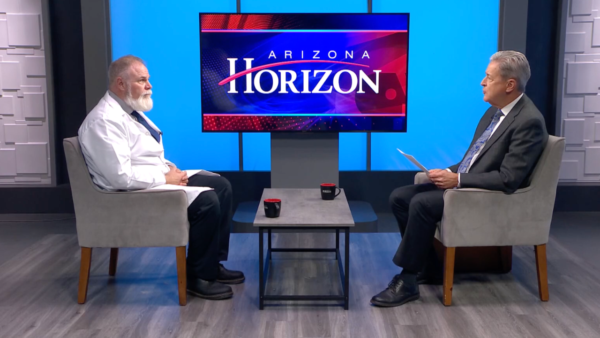
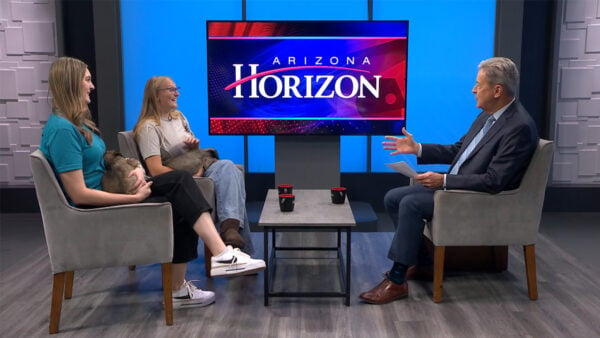
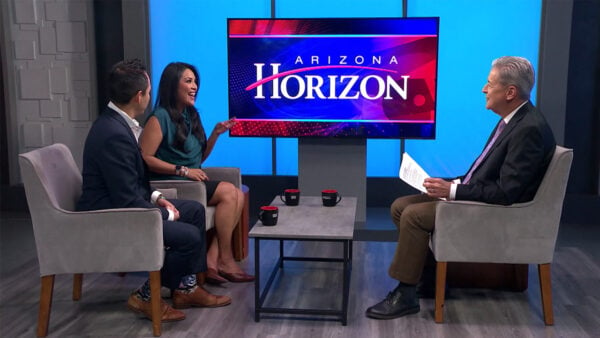
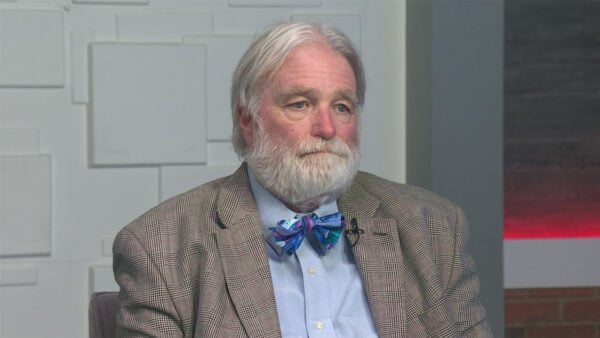
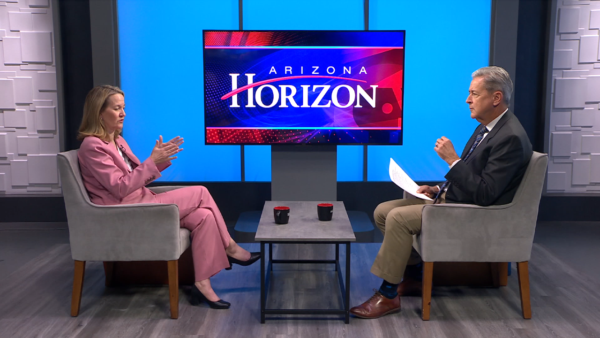
Stephen Montoya, attorney at Montoya, Lucero and Pastor, joined “Arizona Horizon” to discuss the new SCOTUS session.
“I am hoping that it’s very uneventful, but I am used to disappointments when it comes to this court,” Montoya said.
Montoya said the case that SCOTUS is hearing about voting I.D. in Arizona has a long history.
He said that back in 2013, another case in Arizona lead to the state not requiring proof of citizenship in its federal voting forms.
“There was a federal form that allowed you to vote in federal elections, if you avoided by your signature, that you were a citizen. Then there was the state one, where you were forced to require proof of citizenship and that was actually enjoined by the District of Arizona, it was affirmed by the Ninth Circuit,” Montoya said. “It went up on the emergency docket to the United States Supreme Court and the Supreme Court enjoined enforcement of the Ninth Circuit order enjoining that bifurcated voting form.”
Another case the court is looking at is local laws banning semi-automatic weapons in Chicago, Montoya said.
“It’s not just semi-automatic weapons, most pistols are semi automatics, one shot at a time, but what is at issue are the so-called assault rifles,” Montoya said.
Montoya said the court will specifically look at assault rifles and the safety surrounding them. However he said he thinks the court will rule in favor of protecting the guns.
“I think the court is likely to say they can’t be banned and I’ll tell you why,” Montoya said. “There’s already 16 million of them. They are the second most popular gun in the United States.”
Montoya said it forces the court to ask a critical question.
Montoya said, “Do you really want to ban something with 16 million people have already purchased them and they are the second best-selling gun in America?”