ASU’s School of Interdisciplinary Forensics explains the importance of humanitarian forensics
Oct. 8
More from this showArizona State University’s School of Interdisciplinary Forensics, the only school of its kind in the nation, works with Arizona county medical examiners, the International Committee of Red Cross (ICRC) and the United Nations to complete work in humanitarian forensics.
Humanitarian forensics identifies missing and deceased persons and the complex scientific methods to identify remains through the focus of humanitarian contexts rather than for criminal prosecution.
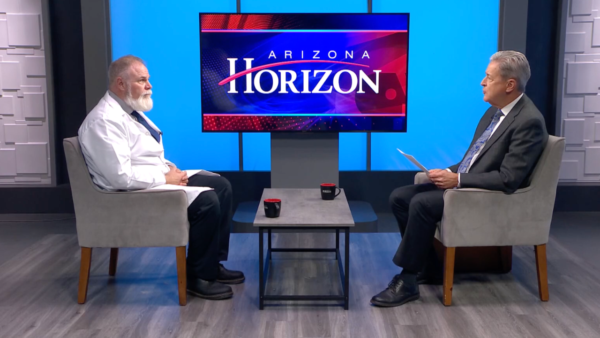
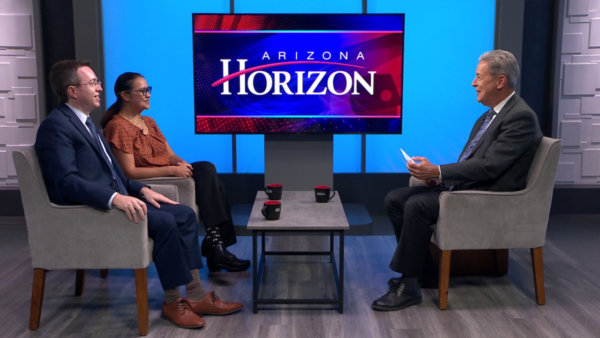
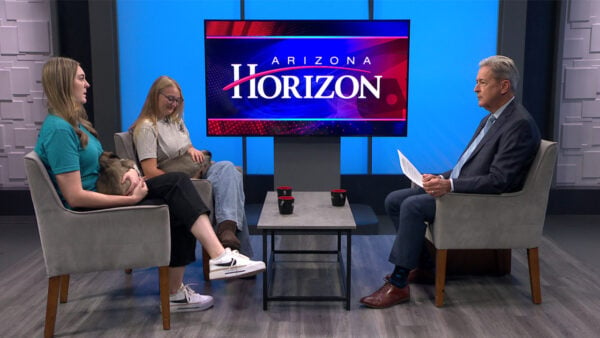
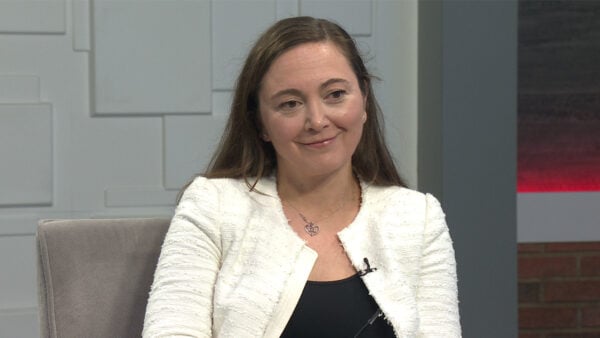
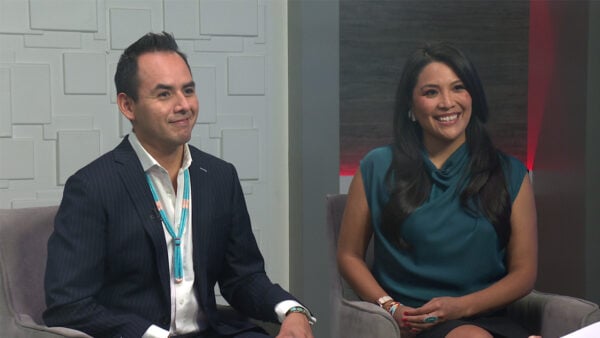
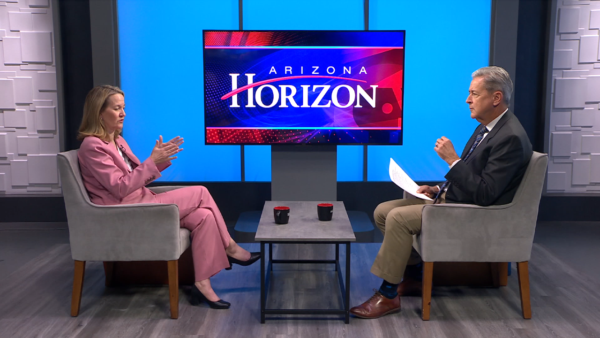
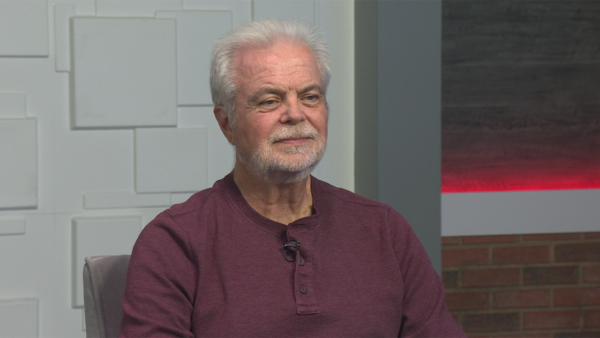
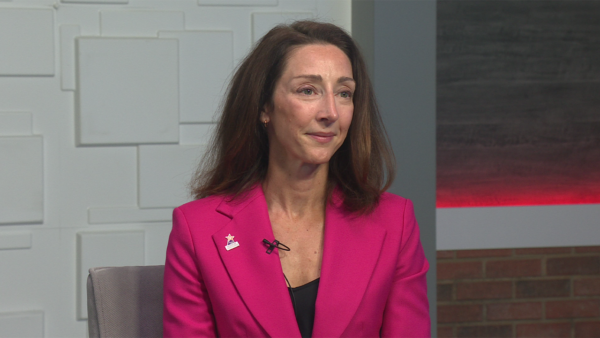
Dr. Tricia Redeker Hepner, Professor of Anthropology and Social Justice, and Dr. Gabriella Soto, Professor of Anthropology and Archeology, joined “Arizona Horizon” to explain the importance of their work in humanitarian forensics.
“Humanitarian forensics really centers the dignity of the missing and the dead, and the rights and the needs of the families and communities that are searching for them and searching for answers,” Redeker said.
Soto said it adds soul and care to dealing with legal cases.
“It’s forensics with a soul because so often, forensics is a forum, the legal forum, the court of law, but when you’re dealing with mass casualties and when you’re dealing with missing people, care for the dead goes so far beyond that,” Soto said.
Soto said humanitarian forensics goes beyond the science of identifying somebody.
Redeker said a great example is right here in Arizona. Due to Arizona’s shared border with Mexico, and the amount of people who cross that border, there are many missing people or those who die out in the desert. She said humanitarian forensics helps to fill the hole left in a family after something happens to their loved one.
“What we do is apply the science to help deliver answers to those families. The science can’t tell us everything. The science can be imperfect. There is offense times in which identifications cannot be made. Remains cannot be returned to families, and answers are not found. But we believe joining care and community and science together can deliver real results,” Redekin said.