Weaving Life from the River: O’odham Baskets
March 20
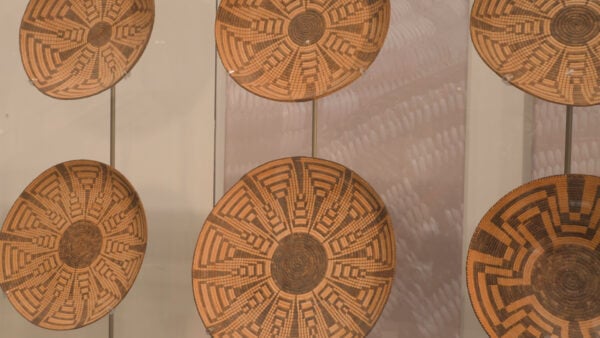
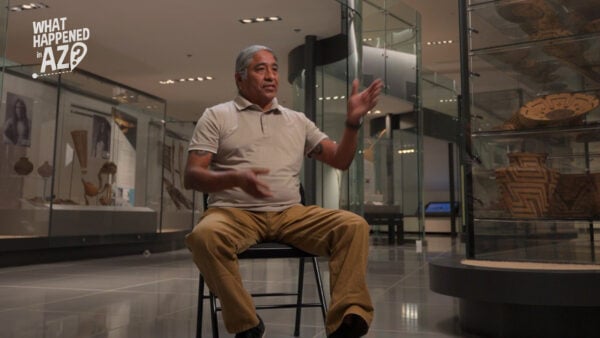
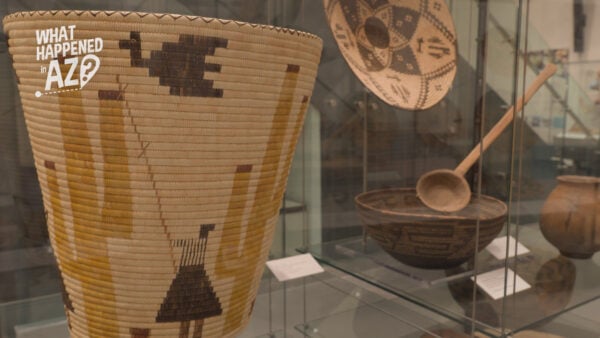
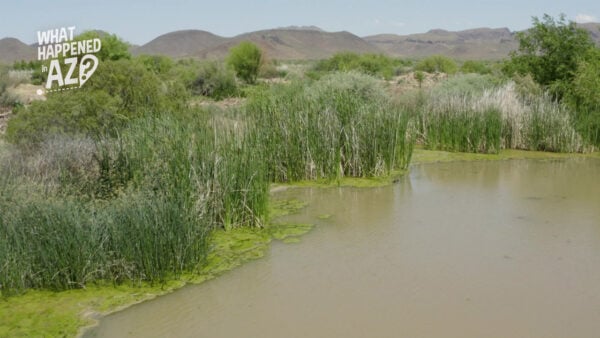
Long before modern containers and storage, the O’odham people of Arizona mastered the art of creating multi-purpose baskets using the natural resources found along the riverbanks. With deep knowledge of their environment, they gathered materials like willow, devil’s claw and native grasses, each chosen for strength, flexibility and function.
These baskets were far more than simple tools. They were essential to daily life, used for carrying water, storing food, harvesting crops and even cooking. Some baskets were tightly woven to hold liquids, showcasing a level of craftsmanship that blended practicality with innovation. Others featured intricate patterns that reflected identity, storytelling and tradition.
The process itself required patience, skill and respect for the land. Harvesting materials was done thoughtfully to ensure sustainability, and weaving techniques were often passed down through generations, preserving both knowledge and cultural heritage.
In every coil and stitch, these baskets represent a relationship between people and place, a harmony with nature that provided not only survival but beauty and meaning.
Today, O’odham basket weaving remains an important cultural practice, honoring the past while continuing to inspire future generations.
This story is a reminder that even the simplest materials, when guided by wisdom and intention, can become something powerful, purposeful and enduring.

Each Friday we’ll be sharing a peek into the past that shows what life was like here, in what’s now Arizona, at the time of the American Revolution ahead of the semiquincentennial or 250th anniversary of the United States.
Stay tuned to learn more about “What Happened in AZ?” each week.
Corporate funding for THE AMERICAN REVOLUTION was provided by Bank of America. Major funding was provided by The Better Angels Society and its members Jeannie and Jonathan Lavine with the Crimson Lion Foundation; and the Blavatnik Family Foundation. Major funding was also provided by David M. Rubenstein; The Robert D. and Patricia E. Kern Family Foundation; Lilly Endowment Inc.; and the following Better Angels Society members: Eric and Wendy Schmidt; Stephen A. Schwarzman; and Kenneth C. Griffin with Griffin Catalyst. Additional support for THE AMERICAN REVOLUTION was provided by: The Arthur Vining Davis Foundations; The Pew Charitable Trusts; Gilbert S. Omenn and Martha A. Darling; Park Foundation; and the following Better Angels Society members: Gilchrist and Amy Berg; Perry and Donna Golkin; The Michelson Foundation; Jacqueline B. Mars; Kissick Family Foundation; Diane and Hal Brierley; John H. N. Fisher and Jennifer Caldwell; John and Catherine Debs; The Fullerton Family Charitable Fund; Philip I. Kent; Gail Elden; Deborah and Jon Dawson; David and Susan Kreisman; The McCloskey Family Charitable Trust; Becky and Jim Morgan; Carol and Ned Spieker; Mark A. Tracy; and Paul and Shelley Whyte. THE AMERICAN REVOLUTION was made possible, in part, with support from the Corporation for Public Broadcasting.
SPOTLIGHT




STAY in touch
with azpbs.org!
Subscribe to Arizona PBS Newsletters:


Dec. 26, 2025
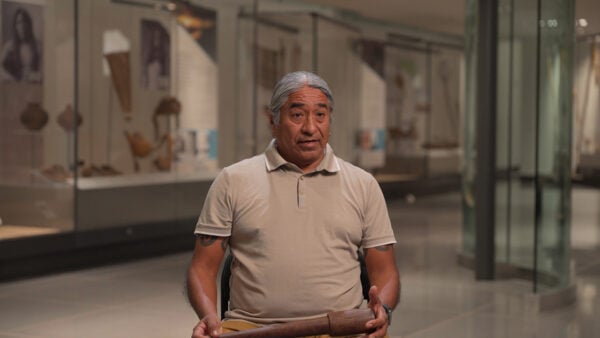
Ancient O’odham Weapons: The Ironwood War Club
Dec. 12, 2025
Can you name the 13 original American colonies?

Dec. 5, 2025
Sons and Daughters: Proving Ancestry
Nov. 28, 2025
Sons and Daughters: Tell My Ancestors