Arizona apprenticeship program tackles early childhood educator shortage
Feb. 25
A new state apprenticeship program is providing early childhood educators with training and resources with a goal to retain these workers amid a national shortage that also impacts Arizona.
The Arizona Early Childhood Educator Apprenticeship Pathway was created by the Department of Economic Security in 2023 in partnership with Central Arizona College to help people interested in entering the field. It also provides teachers who are beginning their careers with mentorship and job experience. Participants can receive college credits toward a federally recognized credential in early childhood education.
Why is there a need for an apprenticeship program?
Arizona has no requirements for specialized training or education to enter the field of early childhood education. Pay is low and turnover is high. These factors have created a system where early childhood educators are often underqualified, have not received sufficient training, or they leave the field to pursue higher paying jobs.
Rural areas across Arizona are particularly impacted. They have less access to child care providers and early childhood educators, according to Common Sense Institute Arizona.
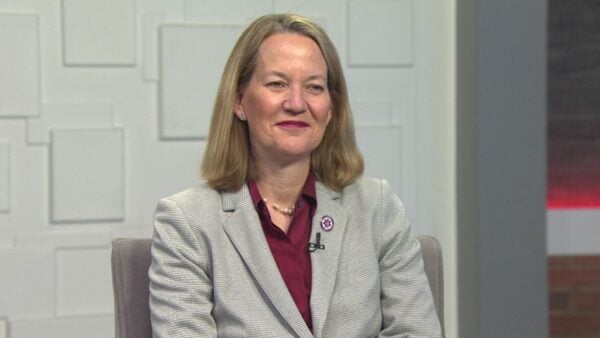
Barbara Milner, director of early childhood initiatives at Central Arizona College, says the apprenticeship is a pipeline for retaining current child care educators and training new childhood educators.
“People are not prepared to work with groups of young children without specialized training,” Milner said.
What does the program do?
In January 2026, the first cohort of 31 apprentices completed the pathway program. They are the first federally recognized child care specialists in Arizona.
Apprentices receive classroom instruction, hands on training and earn a Federal Child Care Development Specialist credential. Participants must complete 4,000 work hours with a DES-contracted child care provider and complete 18 college credits in early childhood education.
Once the participant completes the apprenticeship, they will get tiered increases in pay depending on their position and experience.
There are 19 child care providers across the state that participate in the program, including in rural areas such as Chino Valley, Yuma and Sahuarita.
The pathway program is growing with 48 apprentices enrolled in a new cohort that started in July 2025.
How does the apprenticeship help early childhood educators?
- Covers the cost of the 18 course credits required to obtain the credential in partnership with six community colleges
- $1,000 stipend at the end of the first year of coursework, and an additional $1,000 stipend at the of the second year, when an employee commits to working two years for an employer
- $1,000 for a laptop and supplies
- Mentorship, support, skills training and coaching
- Qualifications to become an early childhood educator or director
How does Arizona compare when it comes to early childhood education?
Arizona lags behind when it comes to providing access to early childhood education, often forcing mothers to choose between working or staying home to care for their children.
Arizona ranks 44th in the nation for public preschool enrollment of 4-year-olds, according to the National Institute for Early Education Research at Rutgers University.
Additionally, a report from the Bipartisan Policy Center found that close to 50,000 children in Arizona under age five may not have access to child care providers due to a lack of enrollment availability. The shortage of early childhood educators exacerbates the problem.
Milner says Arizona falls behind other states when it comes to investing in its youngest citizens. She points to New Mexico as a model. It is the first state in the country to offer free universal child care, including early childhood education, to families.
Research shows that children who have access to quality early childhood education are less likely to use social services, earn higher wages and less likely to break the law.
“We know and early childhood people have always known even before the research, (these are) the most critical years. Those first years are so critical and it has (a) lifelong impact on their learning and their academic success,” Milner said.
SPOTLIGHT





STAY in touch
with azpbs.org!
Subscribe to Arizona PBS Newsletters:



Feb. 25
Black History Month – Re-Air!



Feb. 24
Brahms for Piano and Trio