New report ranks Arizona 49th in public school per-student spending
April 30
It’s long been known that Arizona ranks at the bottom when it comes to education metrics, and a new report validates that.
Arizona ranks 49th in the nation when it comes to per-student spending, while state rankings fell in other areas as well.
This month, the National Education Association (NEA) released its newest data on state rankings around education across the country.
Arizona also has the highest number of students enrolled per teacher out of any other state in the country, according to the report. Last year, Arizona came in at 48th in the country in per-student spending. Currently, Arizona sits at $11,987 per-student, while the national average on per-student spending is at $17,250, a difference of more than $5,200.
The report also found that the national average public school teacher salary is $74,495, but Arizona’s average teacher salary is $64,291 ranking at 31 in the country. The average starting teacher’s salary came in at 39th at $44,860, while a minimum salary of $71,277 is needed to cover the cost of living in Arizona.
The NEA report found that teacher pay has slightly increased, but it not enough to keep up with inflation.
How does the data reflect on Arizona teachers?
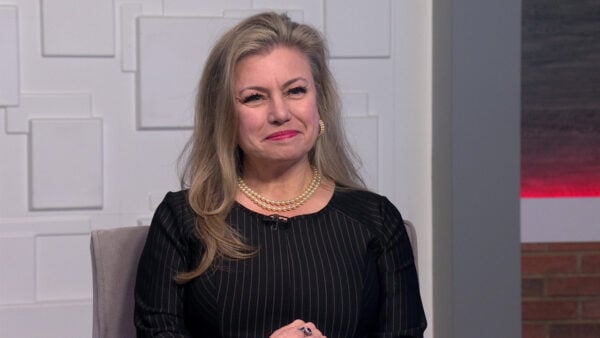
Darla Knight has been a special education teacher for more than 25 years at the Gilbert Public Schools district. Knight spoke during a virtual press meeting and shared how low-pay affects Arizona teachers, putting a face and a the story behind the data.
“Over the years I have been able to keep my full-time teaching job, but often while working multiple other jobs. Otherwise, I wouldn’t be able to afford to teach,” Knight said during the briefing.
Currently, Knight works an additional 30-40 additional hours a week as a home health aide to support herself and her adult disabled son.
With more than two decades of teaching experience, Knight’s annual salary is now at $67,000, which isn’t enough to cover all of her bills. Special education teachers carry more responsibility than general education teachers because they are responsible for legal documentation for their special needs students.
“These extra responsibilities, they contribute to burnout. And as a result, many of my colleagues leave within five years,” Knight said.
The Arizona Education Association is the largest teachers’ union in the state wrote in a statement that the data from the report “demonstrates a lack of investment that has real consequences for student learning and teacher recruitment and retention.”

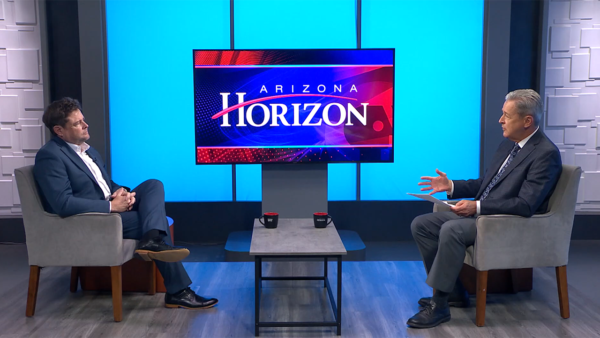
Reporting by “Arizona Horizon” Education Solutions Reporter Roxanne De La Rosa. Her role is made possible through grant funding from the Arizona Local News Foundation’s Arizona Community Collaborative Fund and Report for America.