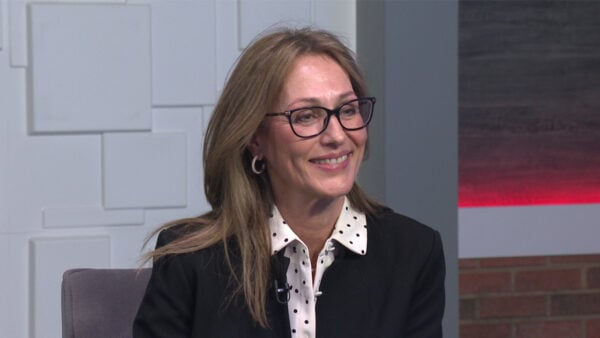
Talking about today: Helping young people understand current events
July 28
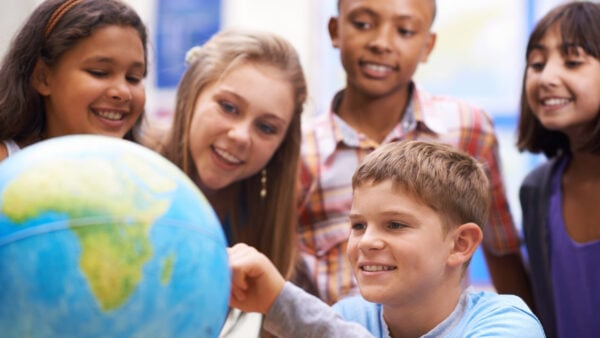
Every day, young people are exposed to news and current events through social media, television, online videos, conversations with friends and the adults in their lives. Whether the topic is a local issue, a national debate or an event happening across the globe, children are often absorbing more information than we realize.
As parents and educators, we have an important opportunity to help young people make sense of the world around them. Rather than avoiding difficult topics, we can engage in intentional conversations that encourage understanding, critical thinking and respectful dialogue.
These discussions not only help young people develop the skills they need to become informed but also model how to become thoughtful and engaged members of their communities.
The importance of intentional conversations
Meaningful discussions about current events do not always happen naturally. They require adults to create opportunities for young people to ask questions, share their thoughts and process information in a safe environment.
When parents and teachers are intentional about discussing current events, they help children understand that what happens in the world matters and that their questions and perspectives matter too. These conversations can happen in classrooms, around the dinner table, during car rides or anytime a topic arises in the midst of current events.
The goal of these conversations is not to cover every news story but rather to help young people learn how to engage thoughtfully with the information they encounter every day.
Be a facilitator, not an expert
One of the most valuable roles adults can play is that of a facilitator. Many parents and teachers feel pressure to have all the answers before discussing current events. However, young people often benefit most when adults guide the conversation rather than dominate it. Being a facilitator means listening, asking questions and encouraging curiosity.
Consider asking questions like:
● What have you heard about this topic?
● What questions do you have?
● How does this make you feel?
● Why do you think people may have different viewpoints about this issue?
These types of questions encourage reflection and help young people develop their own understanding rather than simply accepting someone else’s opinion.
Create a safe space for questions
Children and teenagers are naturally curious. When they hear about significant events, they often have questions or concerns. However, if they do not feel comfortable discussing those questions with trusted adults, they may seek answers from unreliable sources.
Parents and educators can create a safe space by welcoming questions without judgment. Young people should feel comfortable saying “I don’t understand” or “Can you explain that?” without fear of embarrassment or criticism.
When adults model openness and respect, children learn that discussing important issues is a healthy and valuable part of learning.
Focus on understanding, not winning
In many public discussions today, the focus seems to be on proving a point or winning an argument, but conversations with young people should be different. Current events provide an opportunity to teach students how to listen, consider multiple perspectives, evaluate evidence and engage respectfully with others.
While disagreements may occur, the objective should be understanding rather than persuasion. Helping young people recognize that complex issues often have multiple viewpoints builds empathy, critical thinking and stronger communication skills.
Teach media literacy along the way
Current events discussions also offer an excellent opportunity to teach media literacy. Young people are constantly exposed to information, but not all information is accurate or trustworthy.
Encourage them to ask:
● Where did this information come from?
● Is the source reliable?
● Are other sources reporting the same information?
● Is this a fact, an opinion or a mixture of both?
These habits help young people become thoughtful consumers of information and prepare them to navigate an increasingly digital world.
Helping young people understand their world
Current events can sometimes feel overwhelming, but they also present valuable opportunities for learning and growth. Through intentional conversations, parents and educators can help young people understand the world around them while developing important skills such as critical thinking, empathy, communication and civic awareness.
The goal is not to tell young people what to think, but rather to help them ask thoughtful questions, seek reliable information, consider different perspectives and engage respectfully with others.
When adults take the time to talk about today’s events, they help prepare young people not only to understand the world they live in but also to contribute positively to the world they will help shape in the future.
How do you help your students or children stay informed and comfortable while talking about current events? Share your thoughts with us on the Arizona PBS Kids Facebook page.
About the author

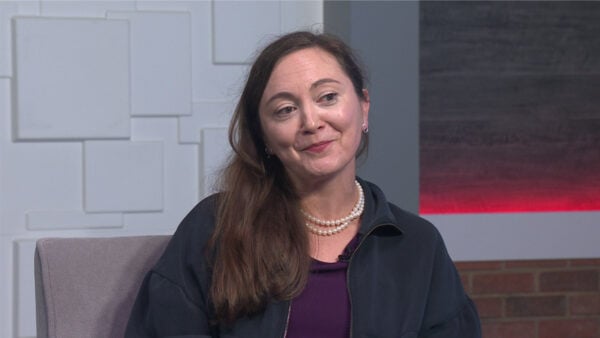
RikkiLynn Archibeque is in her 11th year of teaching in Arizona and has a bachelor’s degree in history from the University of Notre Dame, a master’s degree in secondary education from Indiana University and a master’s degree in learning sciences from Arizona State University.
She currently teaches high school history and government and is a cross country and track and field coach. She is also the wife of a high school administrator, Jake, and the mom of a gifted third grader, Cruz.