Five benefits of extracurricular sports in early childhood education
Oct. 16
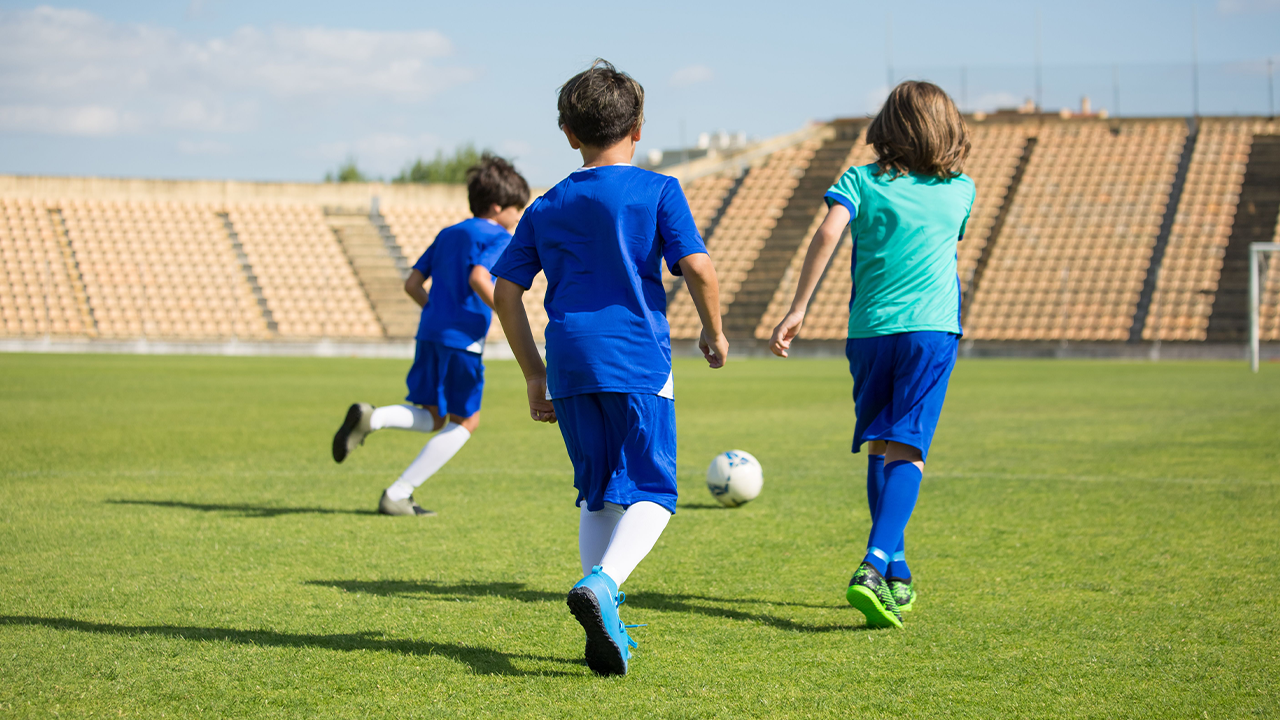
It’s not uncommon as your elementary-aged child gets older for extracurricular activities to become a more prominent part of a their life. Extracurricular sports especially can be an incredible addition to a child’s day, when balanced correctly with school and homework. Practices, games, tournaments and team activities give children the opportunity to grow outside of the classroom.
A daily sports routine should be built around homework, reading and studying. As parents, we’re responsible for making sure our children are not putting school on a back burner, helping them to refocus and remember school should always remain most important.
Let’s explore five reasons why and how, when balancing and putting academics first, extracurricular sports can be a positive outlet for students.
1. A healthy way to release energy. Sports provide our children with the opportunity to move their bodies after sitting most of the day at school. Practices and games give them a productive way to use their energy and to reset after a long day.
2. Building resilience and connection. Missing a goal, losing a game or struggling to master a new skill are all setbacks that are part of growth. Children learn to not give up and to try and try again. Another great skill learned in sports is being part of a team; it is a chance to create friendships and to lean on each other. Both of these strategies can be carried into the classroom.
3. Learning time management. A busy schedule can teach children the importance of meeting deadlines. It can also instill the idea that academics come before anything else when the expectation is to complete schoolwork before activities.
4. A way to release stress. Students are reporting stress earlier and earlier in life. Friendships, expectations from school and just everyday life can add pressure to their young bodies. Sports can give children a break from these pressures, while they focus on movement, fun and being part of a team.
5. An opportunity to succeed in a different way. Not every child is confident in the classroom, and sports can give a child another place to discover strengths, success and meet goals. That confidence can then be carried into other aspects of their lives.
Keep in mind if grades start to slip, it is our job as parents to assess where we can scale back. A balanced routine though can be as simple as designating reading time in the car on the way to a game. Balance teaches children that priorities matter. Sports don’t have to compete with a child’s education; rather it can enhance performance and skills needed to thrive in the classroom.
Are there other benefits to extracurricular sports? Let us know at Arizona PBS KIDS on Facebook.
About the author

Marissa Will is the mother of two, Olivia (9) and Logan (8). Writing was her first passion: she’s a freelance writer and a Walter Cronkite School of Journalism and Mass Communication alumna. Will is currently educating the future leaders of tomorrow: She has spent over 10 years educating third graders, with a master’s degree in elementary education from Northern Arizona University-Yuma.