Lack of data on COVID-19 in homeless communities
Sept. 4, 2020
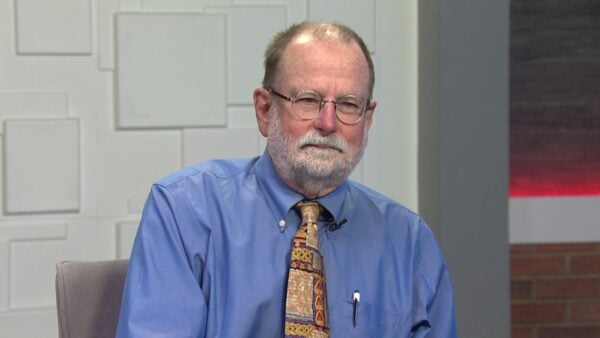
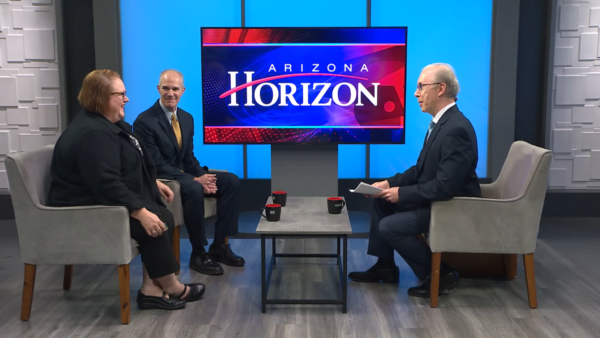
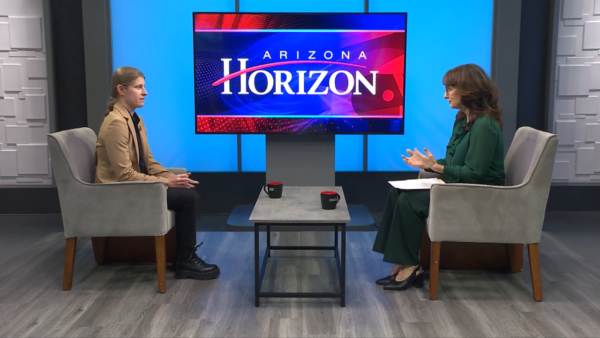
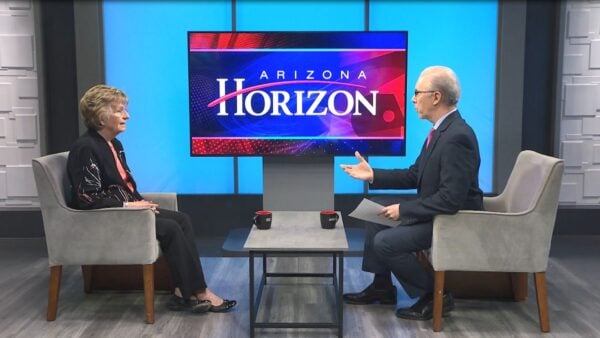
Since the start of the pandemic, a big worry has been on the effect it would have on the homeless. ASU’s Howard Center for Investigative Journalism looks at the federal response and lack of data regarding COVID-19’s impact on the homeless. Host Ted Simons speaks with two student journalists and the Executive Director of the Howard Center about the problem. The idea of the invisible population because of how homeless people are treated. Without a pandemic, people barely notice them, and then with a pandemic, they’ve become even more invisible.
In order to communicate with the homeless, burner phones were distributed across the country. As the Howard Center collected data, they realized that there’s not enough data on how the homeless population is being affected. Tracking data is difficult especially when there’s no way to collect the number of outbreaks. Different counties are responding in different ways on how to address the issue. Some are creating task forces and some are really slow on reacting. The main problem is there is no collective resolution to the issue.
In this segment:
Also in this episode:
SPOTLIGHT




STAY in touch
with azpbs.org!
Subscribe to Arizona PBS Newsletters:
Gifts presented by Arizona PBS




March 9
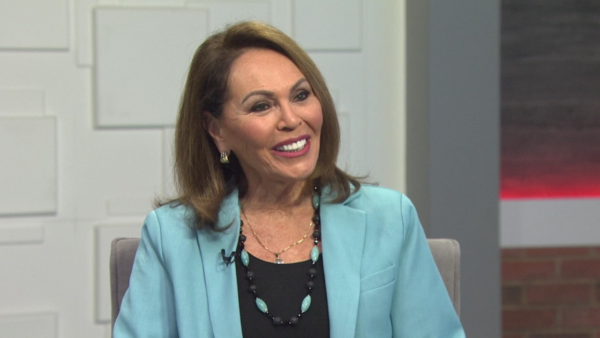
Hispanic Journalist Salinas reflects on Cronkite award; New pediatric pain suite; Summer camps
Full Episode March 5
Democrats fund races; Free Little Library; Pompeii exhibit
Full Episode March 4
Who controls Maricopa County elections; U.S. hockey win controversy; notMYkid milestone