Catalyst: Science helps ID deceased border-crossers
Oct. 21, 2020
A little less than half of those who die trying to cross the Southern U.S. border, die in Arizona.
Those sobering numbers present a scientific challenge: identifying the person who died, so that loved ones can know what happened.
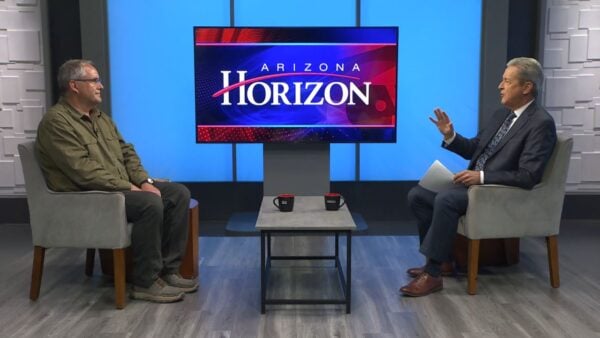
An ASU researcher is using technology to meet this challenge. It’s an effort funded in part by a grant from the U.S. Justice Department. Catalyst Host Vanessa Ruiz, explores the story.
The landscape of the border between Mexico and Arizona is tough, dry, and for most of the year, very hot. There are many risks involved.
“People are being pushed to the more remote areas, due to the militarization of the border so they are in the areas where most likely they are going to die,” said Mirza Monterroso, with the Colibri Center for Human Rights.
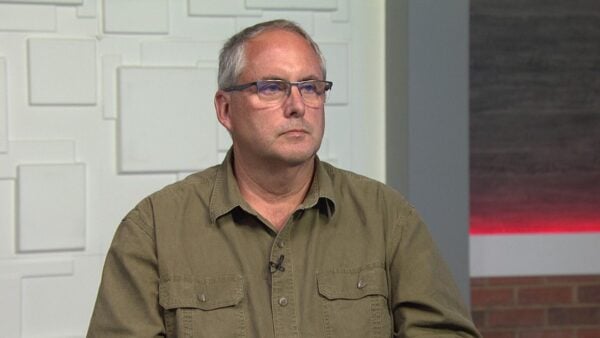
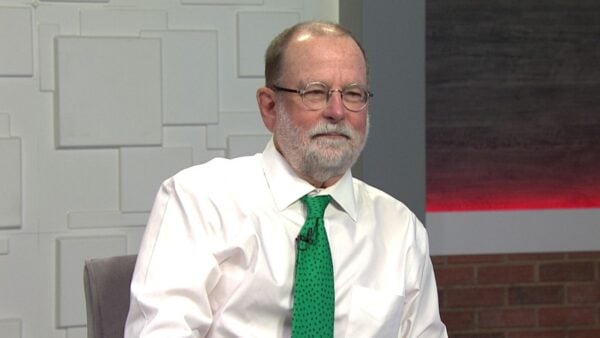
“3000 people have died just in our jurisdiction. We’ve identified about 2000 of these 3000 people. In 2000 we’ve identified, we know we’re undocumented border crossers,” said Bruce Anderson, with Pima County Office of the Medical Examiner.
1000 of those bodies are unidentified so it is unclear if they’re foreign nationals. And after a few days, DNA is difficult to utilize.
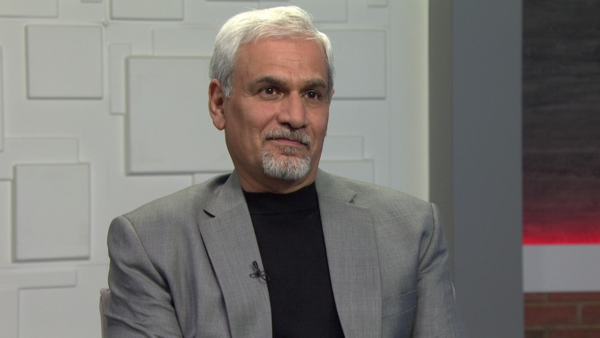
“We can’t actually look at DNA profiles from those countries and their families can’t upload DNA profiles to our country. And there may be no fingerprint records,” said Gwyneth Gordon from the School of Earth and Space Exploration.
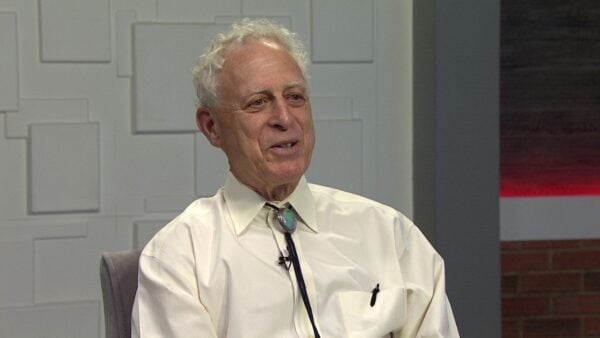
Gordon said, “a lot of times, people, they’ve never known what happened to their loved ones. And that’s really the central motivation for the research is imagining what it’d be like to know that you have a brother or a sister or a mother, and they’ve just disappeared and you don’t know where they are.”
Scientists have now turned to a new technique called, “isotopic analysis” which allows them to know where an individual came from.
Many elements have natural occurring isotopes that imparts a signature in the body. “Where you’re drinking water from, the oxygen and hydrogen that are in that water, they’re going to actually form part of your tissues, they’re going to form your hair, your teeth, your bones,” said Gordon.
Due to climate change research, patterns of variations on the earth’s surface are identified and can be seen in human tissue to locate where they are from.
“The Colibri center in Tucson works with the medical examiner’s office to identify these missing people and return the remains to their loved ones” said Ruiz.
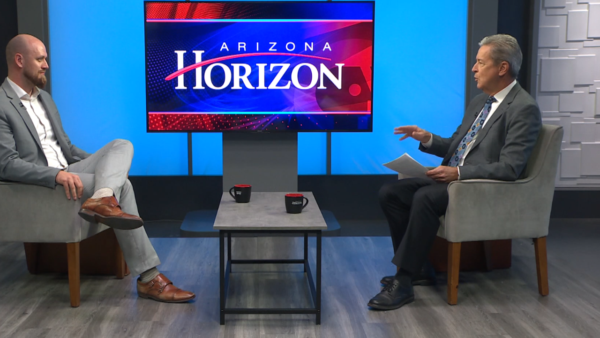
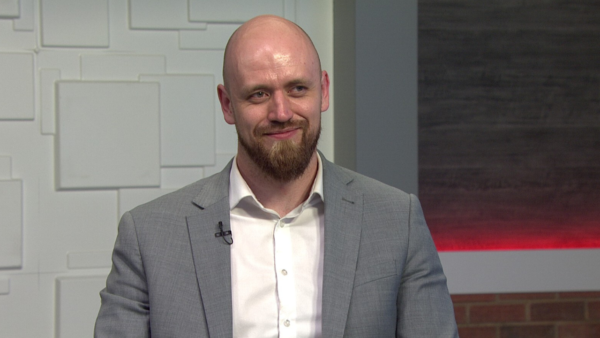
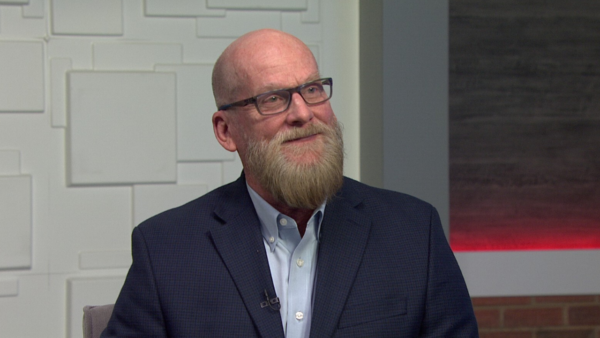
In this segment:
Also in this episode:
SPOTLIGHT




STAY in touch
with azpbs.org!
Subscribe to Arizona PBS Newsletters: