A study shows Hispanics have a higher rate of preventable and infection-related cancers
Oct. 11, 2021
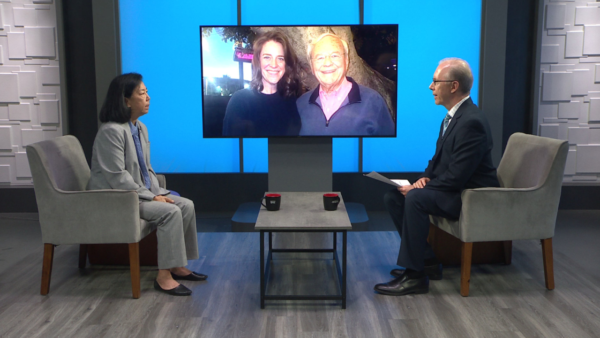
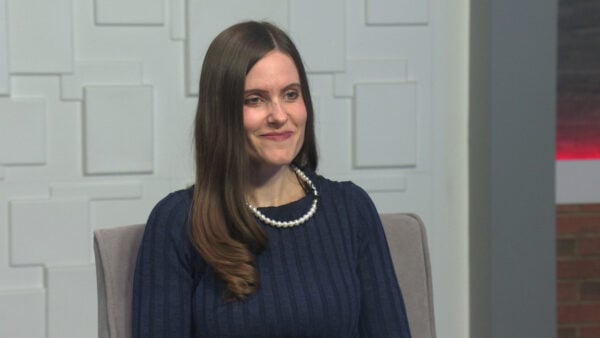
More from this showA new study finds that Hispanics have a higher rate of preventable and infection-related cancers. The study suggests that the reason is less access to care, including preventative screenings and vaccinations. We learned more from Dr. Susannah Cooper, with Arizona Oncology.
What are infection-related cancers?
“Infection-related cancers, there’s multiple, the most common ones that we generally think about and see are Hepatocellular carcinoma and cervical cancer,” Cooper said.
The way these can be preventable is through vaccines, “which can almost completely prevent the development of these particular infection-related malignancies, specifically cervical cancer,” Cooper said.
Why do Hispanics have a higher rate of these cancers?
“I think that it is multi–factorial, some of it is a degree of education and understanding about the development of these infection-related malignancies. Also, access to the vaccines and acceptance of the benefit of the vaccines from families, especially when we think about cervical cancer where…the recommendation is for younger individuals to receive it, so it requires a lot of family support and education,” Cooper said.
Early detection, such as screenings, are important for cancers. Especially preventative cancers, like cervical, there are detailed guidelines for who should be screened and when they should be screened.
“Women above the ages of 21 should start their cervical cancer screening with gynecologic exam and a pap smear. And then depending on those results and their risk factors, that should be continued every 3-5 years,” Cooper said.
Although the Hispanic community may have a higher rate of these preventative cancers, they have a lower rate of other cancers.
“I thin education is the number one factor, access is important of course, but if patients and their families aren’t educated about the need then they’re never going to utilize the access….I think just starting a conversation with primary care providers and trying to improve the trust of the population in the medical field, so that we can get folks in,” Cooper said.