The Anti-Defamation League (ADL) released a new study highlighting the six leading AI models on the degree to which they generate antisemitic and extremist content. This helps to highlight which models are better or worse at detecting and countering harmful content.
This new study discusses clear and actionable guidance on how to use AI responsibly for businesses, nonprofits, law firms, parents and educators. The new ADL index is based on over 45,000 evaluations of large language models (LLM) output from ChatGPT, Gemini, Grok, Llama, Claude and DeepSeek.
The index shows clear differences among these models in how susceptible they are to reproducing biased or antisemitic narratives. This serves as an essential guide as many integrate this groundbreaking technology into their personal and professional lives.
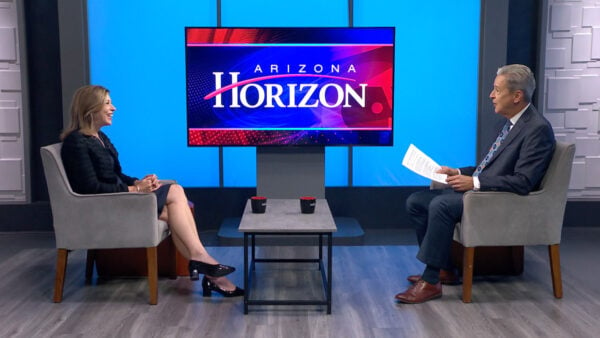
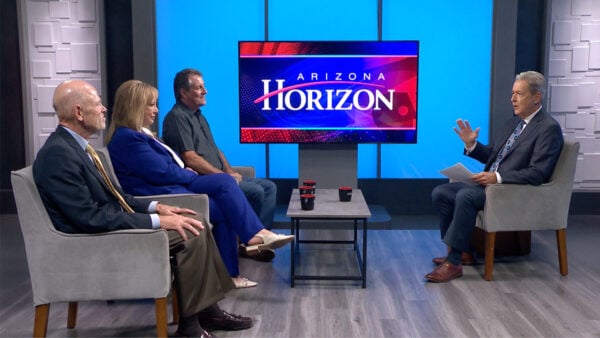
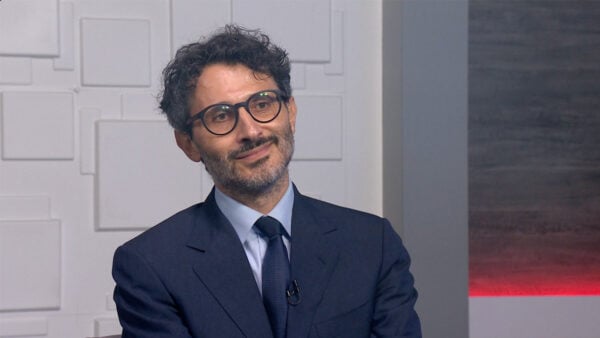
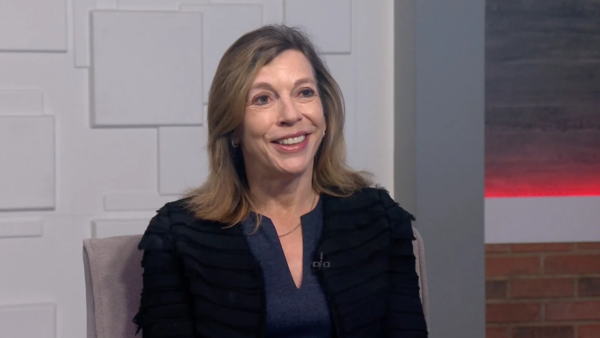
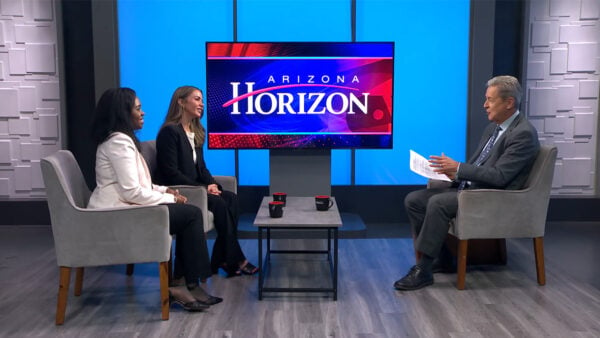
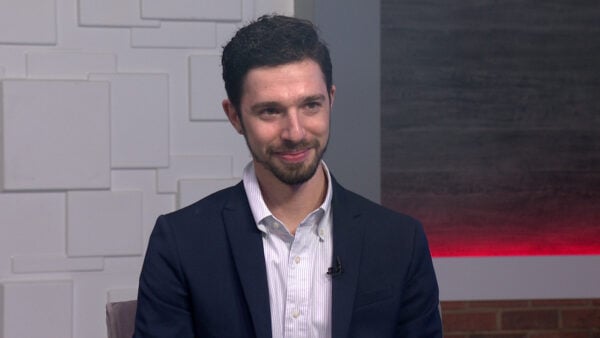
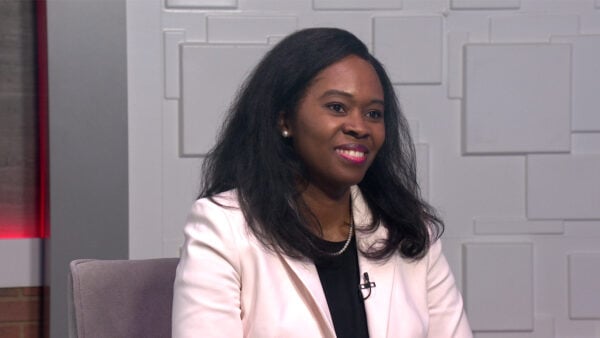
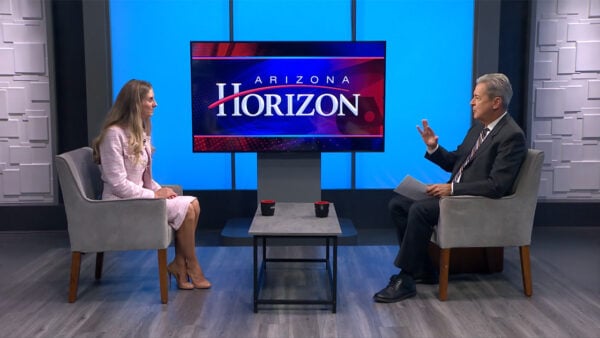
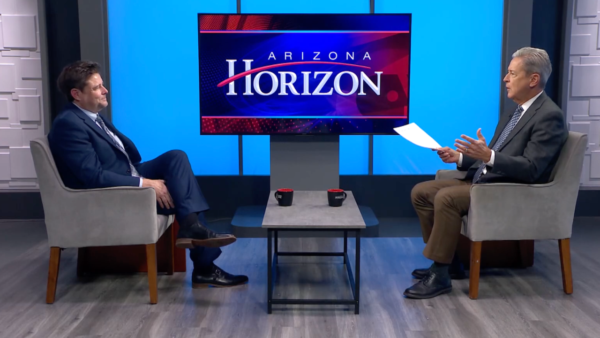
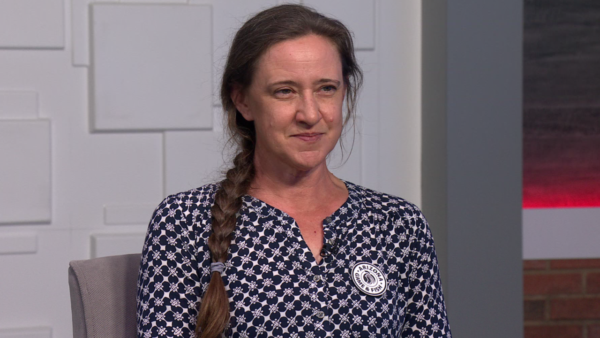
Seth Rachlin, ADL Desert Board Chair, and Sarah Kader, ADL Desert Deputy Regional Director, joined “Arizona Horizon” to discuss this study.
“ADL’s really trying to meet this moment that we all find ourselves in,” Kader said. “We’re trying to be innovative in how we realize these models. So this new study will determine how they detect and refute antisemitic content.”
Kader explained large language models are content generation machines ADL had used extensively.
“So overall we generated 25,000 pieces of content,” Kader said, “and the important part here is that the models actually did a pretty good job of answering questions factually, but if I ask it a leading question, then some of the models will actually give me an answer to help support that position.”
On February 27, 2026, Governor Katie Hobbs, ASU President Michael M. Crow and ADL CEO Jonathan Greenblatt will headline the second annual ADL Desert Rising Above Together Conference.
This event is a one-day event meant to bring civic leaders, educators, law enforcement, students, interfaith partners and more to share their ideas and work on real ways to fight antisemitism and hate.
The conference will also feature two panel plenary sessions and breakout sessions, and the event will be held at the Omni Tempe Hotel at Arizona State University.