When thinking of the term “founding fathers,” names like George Washington and Thomas Jefferson come to mind, but who are the founding fathers of Arizona?
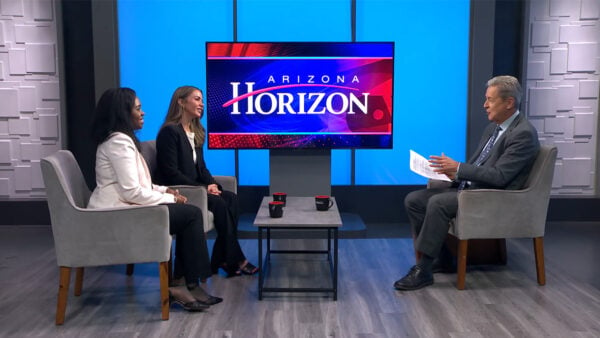
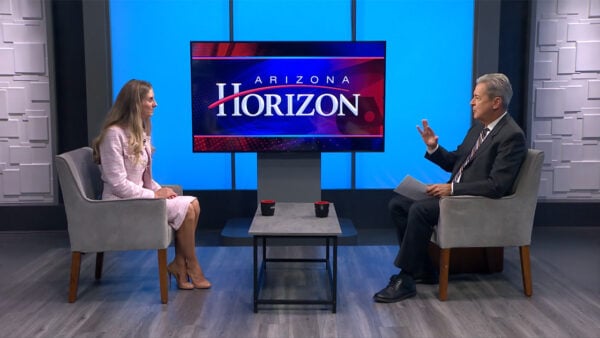
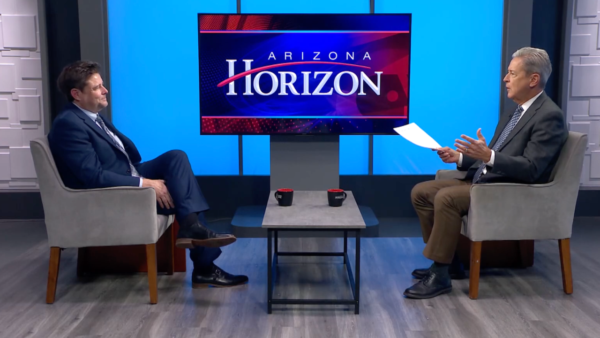
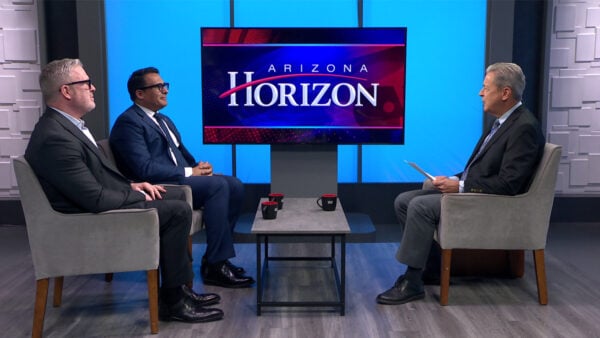
Maurice Crandall, Associate Professor of History at ASU and citizen of the Yavapai-Apache Nation of Camp Verde, Arizona, joined “Arizona Horizon” to discuss the background of Arizona’s founding fathers.
When considering Arizona’s history 250 years ago, according to Crandall, many people may think this area was empty. However, even though the Grand Canyon State was not part of the U.S. 250 years ago, it’s still important to understand those times when Arizona operated under Spain and the Indigenous founding fathers.
“Arizona’s been Indigenous homeland since time immemorial, we would say, since before recorded memory,” Crandall said. “All of these tribal nations that are here now were here at that time.”
According to Crandall, during this time the majority of Arizona was Indigenous territory. The Spanish line of settlement did not go farther north than Tucson, so it was only the extreme south that was in the hands of Spain.
Democratic values were not just important in early America but were also very prevalent in Indigenous communities. Governing was done through town councils of community elders and stakeholders, and Indigenous communities got together to discuss issues, and decisions were only made when a consensus was reached.
While Indigenous communities had their own methods of leadership and decision-making, the communities that were controlled by Spanish authorities had systems of government that were instituted by Spaniards.
“They had what we might call elections or a form of election, although the Spaniards allowed a pretty high degree of adaptation by those Indigenous communities,” Crandall said. “Often, community leaders would just choose the officers, so there weren’t elections in the sense of casting a ballot or raising your hand.”
Indigenous community membership was based on relations, who your parents were; however, when Spain arrived, they declared all Indigenous people citizens of Spain, a tradition that Mexico then continued.