President Donald Trump’s efforts to limit who qualifies for automatic U.S. citizenship were unsuccessful as the U.S. Supreme Court upheld birthright citizenship in a 6-3 ruling on Tuesday, June 30, 2026. Five justices said the order fell afoul of the Constitution’s 14th Amendment.
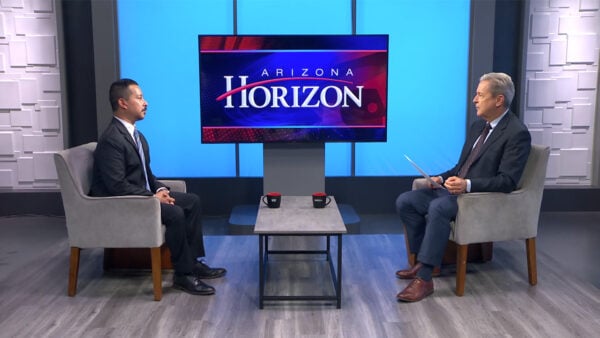
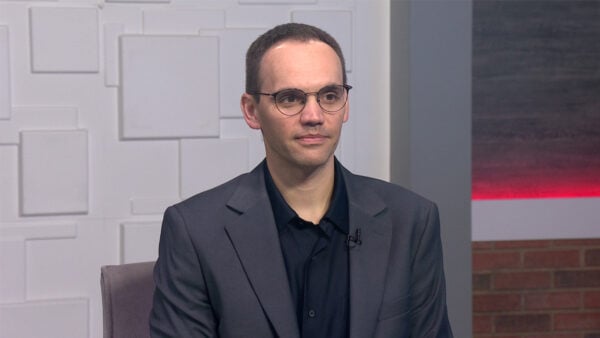
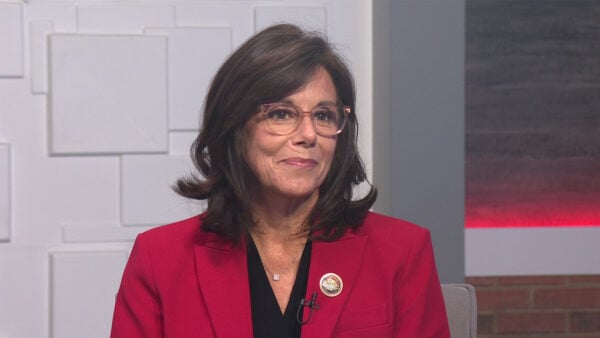
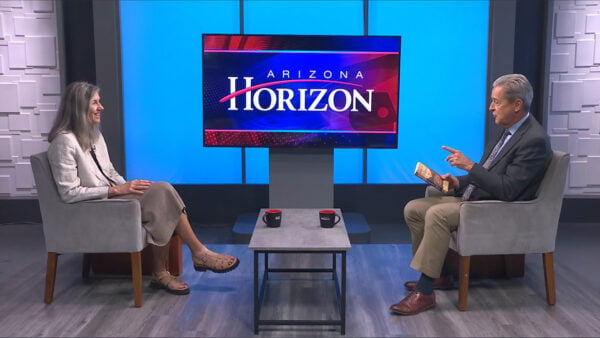
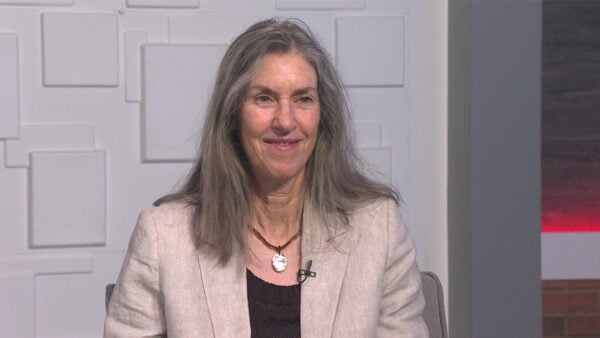
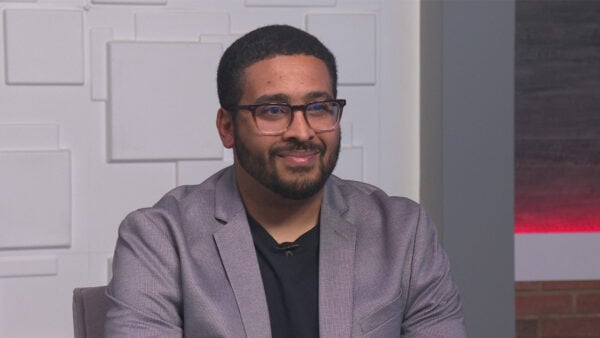
Elizabeth Chatham, Stinson LLP immigration attorney, joined “Arizona Horizon” to discuss the Court’s decision.
Though it was technically a 5-4 vote, the position from Justice Kavanaugh was agreed on judgement. When news outlets are looked at, it will say it was a 6-3 vote, but he dissented on the basis of a federal statue not the constitution.
“He was suggesting that the court would relook at this issue,” she said. “If there was a congressional amendment, or of there was even a law that creatred additional acceptions, that would then also get kicked up the curb to go to the supreme court.
After his inauguration, President Trump signed an executive order directing federal agencies not to recognize the U.S. citizenship of babies born in America if neither parent is a citizen or lawful permanent resident. The Court, which heard arguments in April 2026, did not issue a ruling on birthright citizenship on June 25, leaving it among the final few decisions to be announced as the term wound down.
The 14th amendment was the key clause during this case, and the administrations argument was that if you were born in another country you are not subject to jurisdiction of here, but you are there. This ended up being the losing argument.
“There was an argument on domicile. Where is your domicile and what does that mean. Does that attach to illegal immigration status do you have to even have a status,” She said. “It also attaches to the concept of allegence. Where does this person have allegence. Is it the us or is it to their country?”
With this being the argument, Justice Gorsuch brought up the question of what if someone doesnt have a domicile, what does that mean for the child. and does teh child get a chance to hev their own “allegience” and when would they have the ability to do so.
Another argument for the administration was that the amendment was originally made for slaves and their families, but that gets shot down instantly due to the amendment itself not having any specific wordage to say that.
“I think a very important point is that the equal protection clause also applys, “Chatham said. “Any child belomgs om the United States. They are a U.S. citizen universally. It doesnt matter what country their parents are from or their immigration status or their allegience. Its the fact that they were born on U.S. soil that makes them a citizen.”