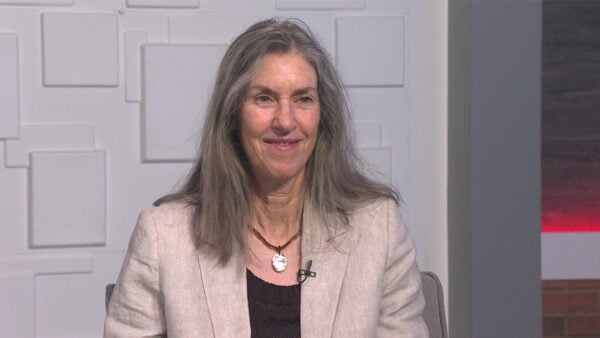
Climatologist discusses monsoons in Arizona as they continue to move across the state
Aug. 12
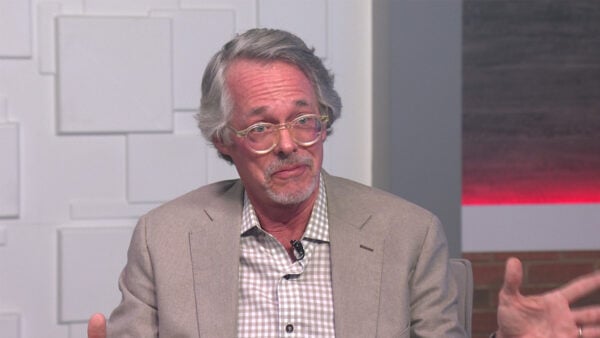
More from this showThis week has brought damaging winds, strong dust storms and rainfall across the Valley, and more storms are expected in the coming days. ASU climatologist Randy Cerveny joined “Arizona Horizon” and said the monsoon has been uneven across Arizona, with some areas seeing above-normal rainfall while Phoenix remains below average.
“Right now, Phoenix itself is not doing too well. We are only a third of what we normally have at this time of year,” Cerveny said.
Cerveny said the differences in rainfall are typical of Arizona’s monsoon season. While Phoenix has received less precipitation than normal, other parts of the state, including Flagstaff, have seen more rain.
Sky Harbor also tends to receive less precipitation than surrounding areas because of its lower elevation. Cerveny said higher-elevation communities such as Cave Creek can receive more rain as moisture moves upward and produces precipitation.
Over the next seven days, Cerveny expects much of Arizona to see additional rainfall, with Phoenix potentially receiving between a half-inch and an inch. Areas near the Mogollon Rim could receive even more.
“This is for the next seven days. As you can see over the next seven days, most of that will happen within the next couple of days. We are going to be somewhere hopefully around a half an inch to maybe an inch of rain,” Cerveny said.
The monsoon differs from the storms Arizona sees during the winter. Summer storms are convective, meaning they develop as hot air rises and creates thunderstorms. Winter storms are generally associated with cold and warm fronts.
Cerveny said above-normal precipitation is expected across much of the southwest through the end of August and into September. He also said the monsoon will continue in bursts and breaks, with several days of heavy activity followed by periods of increased heat.
The additional moisture could also help reduce wildfire risk by wetting vegetation and soil across the state.
“It doesn’t, unfortunately, one, the amounts of moisture are much smaller than what we normally have during the wintertime. And, two, it tends to run off faster. But it does help in terms of things like wildfires,” Cerveny said.