The FDA approved a new treatment for advanced pancreatic cancer, but before approval, the drug was being tested in Arizona.
The HonorHealth Research Institute, along with other select institutes, had the opportunity to provide eligible patients with the drug Daraxonrasib through an extended access program. The drug targets KRAS, a genetic mutation found in more than 90% of pancreatic cancers, that acts as an “on-switch” to the cancer.
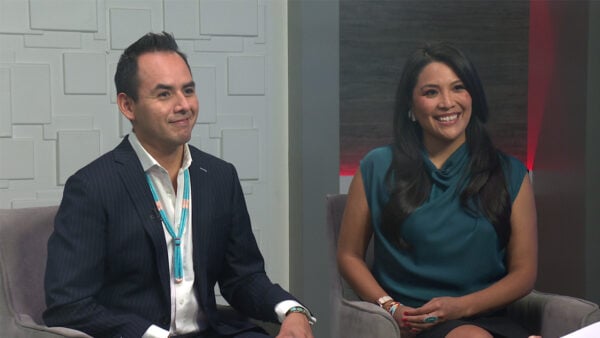
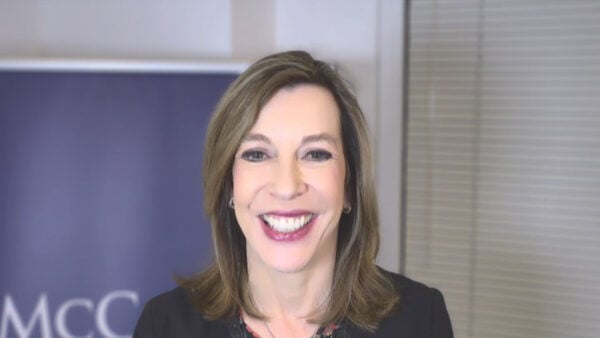
Dr. Erkut Borazanci, Medical Director of the Oncology Research Division at the HonorHealth Research Institute, joined “Arizona Horizon” to discuss the drug and its connection to Arizona patients.
“For decades, our options up until this year have been primarily focused on chemotherapy, which is a non-discriminatory poison,” Borazanci said. “The fact that a pill now exists that strikes at the heart of the matter of pancreatic cancer, and that on-switch, to me is such a huge milestone.”
Borazanci said stage 4 pancreas cancer patients were able to receive the drug early through an expanded access program. He said studies showed the pill doubled patients’ chances of survival.
“It’s not a cure, it doesn’t cure everyone with pancreas cancer, it gives them a lot greater opportunity to live longer with a good quality of life,” he said.
Furthermore, the pill has less side effects than chemotherapy. However, some patients experience sun rash and diarrhea.
Borazanci said the drug could be used to target gene mutations for other kinds of cancer and clinical trials are showing promise.
“The great thing about this pill is it unlocks combination treatments,” Borazanci said. “Immune therapy works better in combination with this pill.”
Borazanci said the next frontier is early diagnosis and there needs to be an early detection process.
“If we can find a way to catch pancreatic cancer, that’s stage 1, stage 2. Most people are diagnosed in that advanced, metastasized situation,” he said.
Since its FDA approval, oncologists are able to prescribe the pill, but at a very high cost.
“It runs $45,000 a month without insurance,” Borazanci. “Insurance knocks that down. For most of my patients, I’ve seen zero copay.”