For the first time since 2023, the Federal Reserve has raised interest rates in an attempt to combat inflation. The central bank raised its benchmark interest rate by a quarter percentage point to a range between 3.75% and 4%.
President Donald Trump does not support the decision and believes the Federal Reserve should be lowering the interest rate. Due to the war in Iran, inflation has driven oil, gasoline and diesel prices to record highs. Trump said he believes these numbers will go back down once the war is over.
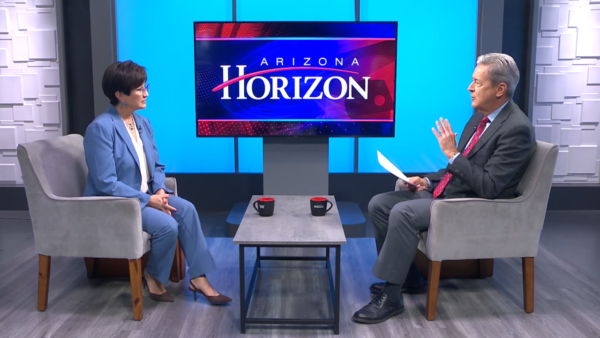
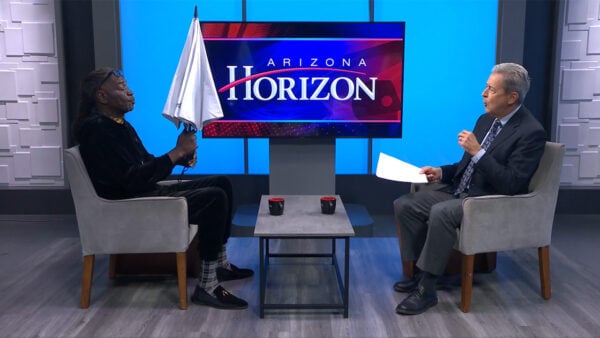
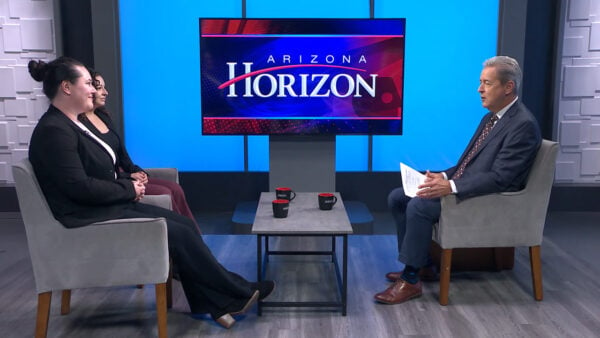
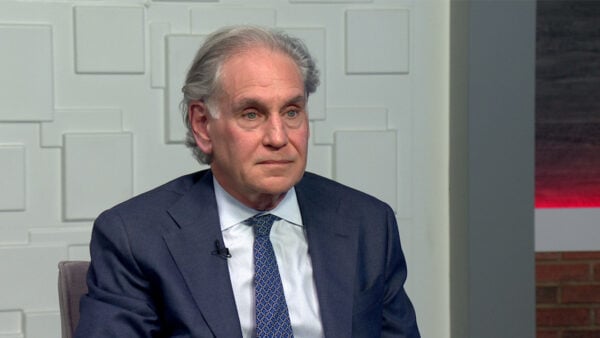
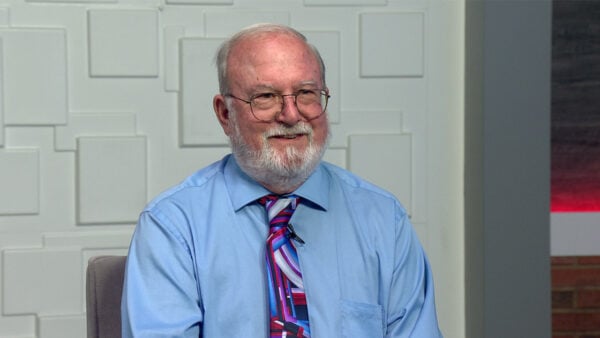
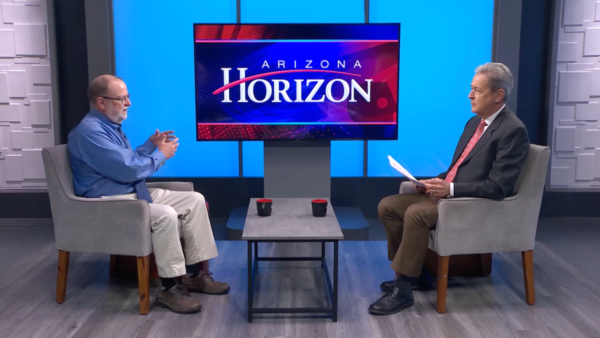
Dale Rogers, a professor at ASU’s W. P. Carey School of Business, joined “Arizona Horizon” to talk about the raise in interest rates and its effects.
“Inflation has not really come down to the 2% target for five years, truthfully. And the Federal Reserve wants to do something about that. There is a problem with that, because this inflation is mostly due to the supply side,” Rogers said.
He said most of this inflation is coming from tariffs, the Iran war, disruptions in the Strait of Hormuz and the war in Ukraine and Russia.
Rogers said the rise in interest rates will especially affect the average American.
“It means that everything is more expensive, and one of the problems is that the biggest source of inflation is fuel costs and fuel is basically in everything,” Rogers said.
Rogers said he does not believe that lowering the interest rate will do much to help.
“For supply shocks, for supply-driven inflation, raising the interest rate doesn’t do that much,” Rogers said.