Type II diabetes is a metabolic disorder that occurs when the body becomes resistant to insulin or when the pancreas fails to produce enough insulin. The result is elevated blood sugar levels, which can lead to serious health complications if not managed properly.
HonorHealth Research Institute is looking to become the first research facility in the nation to begin a new clinical trial, attempting to modify the lining of the digestive tract with the use of steam energy to control type II diabetes without the use of drugs.
The Restore-1 clinical trial involves a minimally invasive, endoscopic procedure that uses steam to refresh the mucosa, or lining, of the first several inches of the small intestine also known as the duodenum. As the mucosa grows back, patients theoretically would return to natural control of their blood-sugar. Initial research indicates that the regrown mucosa may restore patients’ digestive functions and resets the body’s control of blood sugar.
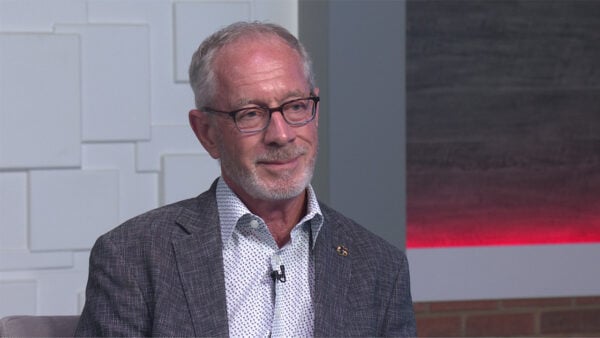
Dr. James Swain, Medical Director for the Research Institute’s Bariatrics and GI Research Division, joined “Arizona Horizon” to speak on the attempts to change the medical field for the coming future.
Type II diabetes occurs when someone produces an adequate number of insulin, but the receptor for the insulin becomes insensitive. Swain described the variety of reasons causing the receptor to be that way.
“One is obesity, two is genetics, three is environment. And so, we normally see type II diabetes correlated with obesity, but it’s also other things. So the pancreas is producing enough insulin, it’s just the cells aren’t working. You actually make more than normal. So, the body sees that their sugar is in excess and it keeps trying to produce more and more insulin. But the insulin receptor on the cell is insensitive to it,” Swain said.
Swain explained the clinical trial plan to fight this disorder.
“What the trial is doing is denuding or ablating the lining of the duodenum so that the things that have occurred in the past that have made it insensitive or the transient movement and the interplay with the incretins and such has become inefficient. So the goal is to use a device, as you can see here, that’s through the scope and it’s passing down and creating just basically a little cage and we’re vaporizing water and basically creating steam that cooks basically the lining of the duodenum. So what it does is it allows that mucosa to regrow,” Swain said.