According to a recent study conducted by JAMA Network, more than one in five adults in the United States who use social media said they’ve used it for health care choices. However, doctors warn users to be cautious about treatments or lifestyle changes that are claimed to be quick fixes.
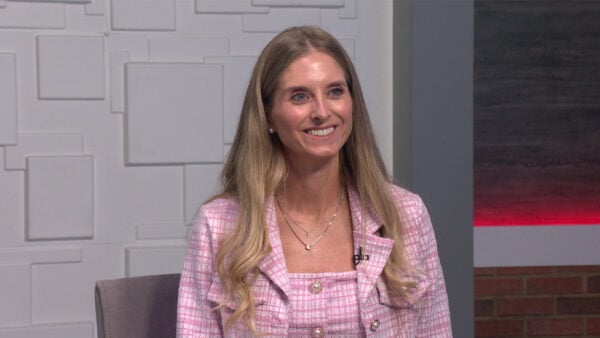
Dr. Frank LoVecchio, Medical Director of Clinical Research at ASU’s College of Health Solutions, joined “Arizona Horizon” to discuss the reliability of healthcare information found online.
“What we have here is a problem where people want timely answers, and they want the answers really quickly.”, LoVecchio said when speaking on the issues of using the media. “I would say if you use social media, just be careful”.
He goes on to explain that the main issue is finding the difference between AI bots and real doctors. The issue with AI bots is not necessarily false information, but the intent of selling you some sort of product.
He also explains why adults are the ones at fault, while the younger generation is able to see what is a scam and what is not.
“The thing with the older generation is they may Google what their blood pressure medication is, and then all of a sudden they know because of cookies and all that that the younger kids block, they say this is a natural way to lower blood pressure”
The doctors explain that though AI can be very useful when the right questions are asked, like the ones through their websites, a lot of people continue to go to AI, “even though not one treatment fits all.”
He closes his interview with tips on who to trust, not that AI is not helpful, but more for personal security and more personalised help. He said to go to your doctors or nurse practitioners or known reputable websites. Once you have the basic information on what the issue may be, you can talk with your doctor about it to make sure you get the accurate help you need to get healthier.