Former President Donald Trump was recently removed from primary ballots in Colorado and Maine for his alleged involvement in the Jan. 6 insurrection at the U.S. Capitol.
Colorado’s decision came by way of the state supreme court. As for Maine, the secretary of state made the decision there to remove Trump from the ballot. Both states site the U.S. Constitution’s 14th Amendment ban on insurrectionists holding office as the reason for their decision.
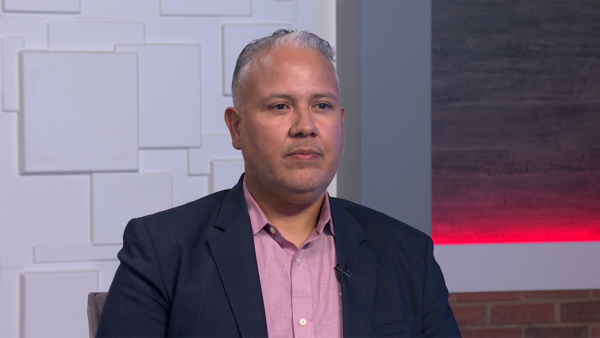
We were joined by Stephen Montoya, partner at Montoya, Lucero and Pastor, to discuss the Constitutional aspects.
In Colorado, “the court concluded that President Trump had given aid and comfort to the insurrectionists of Jan. 6. Inconsequently, he could not hold office again under section III of the 14th amendment,” Montoya said.
What kind of proof is needed for this decision?
“That’s a tough question theoretically. In the real world, it’s not that hard of a question,” Montoya said.
He explained that Trump was urging the crowd to march to the Capitol and disrupt the constitutional process of certifying the electoral vote, which qualifies as insurrection, according to Montoya.
Trump has not been convicted of anything, and many say that a conviction must be made before making this move. This is not true, Montoya said.
“There’s no historical precedent for that. Eight people have been precluded from holding office in American history, and none of them have been convicted criminally of insurrection,” Montoya said.