The Supreme Court generally makes decisions at a slow and deliberate pace, weighing in written and verbal arguments. Judgments are issued following the rulings made by the lower courts.
However, in some cases, they utilize the shadow docket to fast-track urgent matters. These decisions are typically temporary, with justices reaching a final decision a year or two later.
Shadow docket rulings have become routine. Current justices have granted President Trump more than 20 victories this way, increasing his power over immigration, federal funding, and executive agencies.
Concern over the increasing number of rulings grew following a one-paragraph ruling on climate policy.
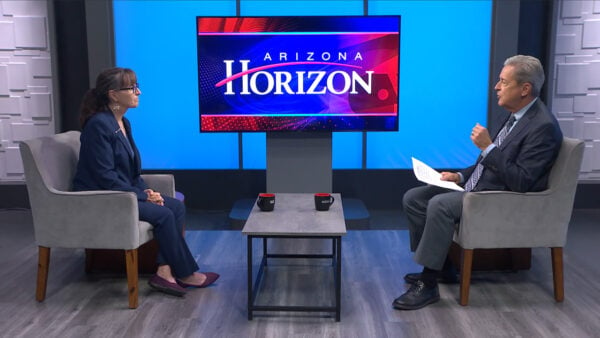
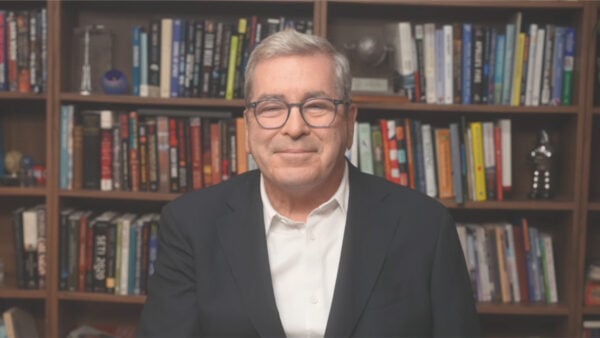
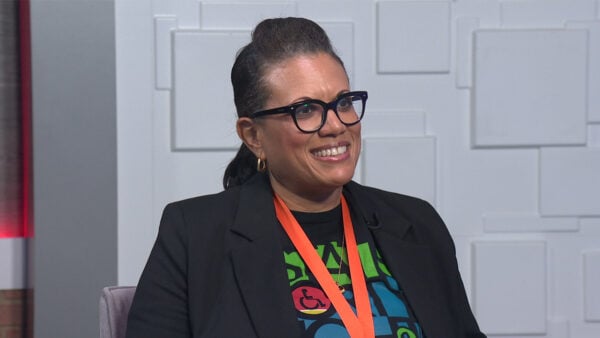
Stephen Montoya, partner at Montoya, Lucero & Pastor, P.A, joined “Arizona Horizon” to discuss the rulings.
“In fact, every court has an emergency docket…but it’s never operated the way that it’s operating now,” Montoya said. “The Supreme Court is the court of last resort. It has the final word, not the first word, in the federal courts.”
Montoya explained how the “Shadow Docket” takes cases away from the court of appeals before they’re adjudicated and enters injunctions. In some scenarios, this can determine the outcome of the case before any other court has a chance to consider it.
“Here’s what the Supreme Court did,” Montoya discussed, “…instead of letting the lower court…consider the issue in the first instance, it actually swept up the case…when it finally reached the court of the Supreme Court…it was a moot case.”
Montoya emphasized how Chief Justice John Roberts has been a key proponent and user of the “shadow docket.”
“That was based on an Obama executive order, which he vehemently disagreed with, and I actually coincidentally agreed with him on his conclusion,” Montoya said, “…but the process that he used to reach that conclusion at that early juncture, in the case I thought was reprehensible.”